


Journal
Read the paper. Then look at the vial.
82 essays on the living cell, the catalogue, Vitality Revival, eLIVEate, frontier biology and metabolism. Six desks. Jump, search, or start with a long read.
Start with a long read
Four desks, four long pieces: diagrams, named papers, a plain-English restatement after every paragraph.
82 min · long read · The living cell
Pathophysiology from the genome to a person who notices
Disease is a stack: genome, transcriptome, proteome, metabolome, organelle, cell fate, tissue, organism. A peptide binds one node. The rest of the stack keeps running. CFTR, type 2 diabetes and a tendon as worked examples.

53 min · long read · Peptide research
Recovery, GH pulses and the CJC / ipamorelin pair
Somatotrophs have two 'go' receptors. CJC without DAC is a slightly longer GHRH pulse. Ipamorelin is a selective ghrelin-receptor key that does not yank ACTH. Together they are the pair Bowers already showed is more than additive — not a gym protocol.
51 min · long read · Frontier biology
Tardigrades taught a human protein how to ignore radiation
Dsup, a disordered DNA-binding protein from a water bear, protects cultured human cells from X-rays. The animal that dries to a tun and lives through vacuum brought a transferable shield.
51 min · long read · Metabolism
Reversing type 2 diabetes is a published result, not a slogan
The DiRECT trial put type 2 diabetes into remission by emptying the liver and pancreas of surplus fat. Very-low-calorie and very-low-carbohydrate programmes can both get you there. The mechanism isn't mystical.
The living cell
How a cell actually works: 36 trillion of them, transcription, membranes, mitochondria, the decision to divide. Long essays. Correct terms, then a plain-English line after every paragraph.
9 essays · 9 long
82 min · long read · The living cell
Pathophysiology from the genome to a person who notices
Disease is a stack: genome, transcriptome, proteome, metabolome, organelle, cell fate, tissue, organism. A peptide binds one node. The rest of the stack keeps running. CFTR, type 2 diabetes and a tendon as worked examples.
70 min · long read · The living cell
How peptides talk to cells: occupancy, amplification, arrestin
A peptide is a ligand. Most of the catalogue binds a GPCR on the cell surface: one occupancy, then enzymes make thousands of second messengers. That amplification is real, and it is not magic. Desensitisation is why more ligand is not more signal forever.
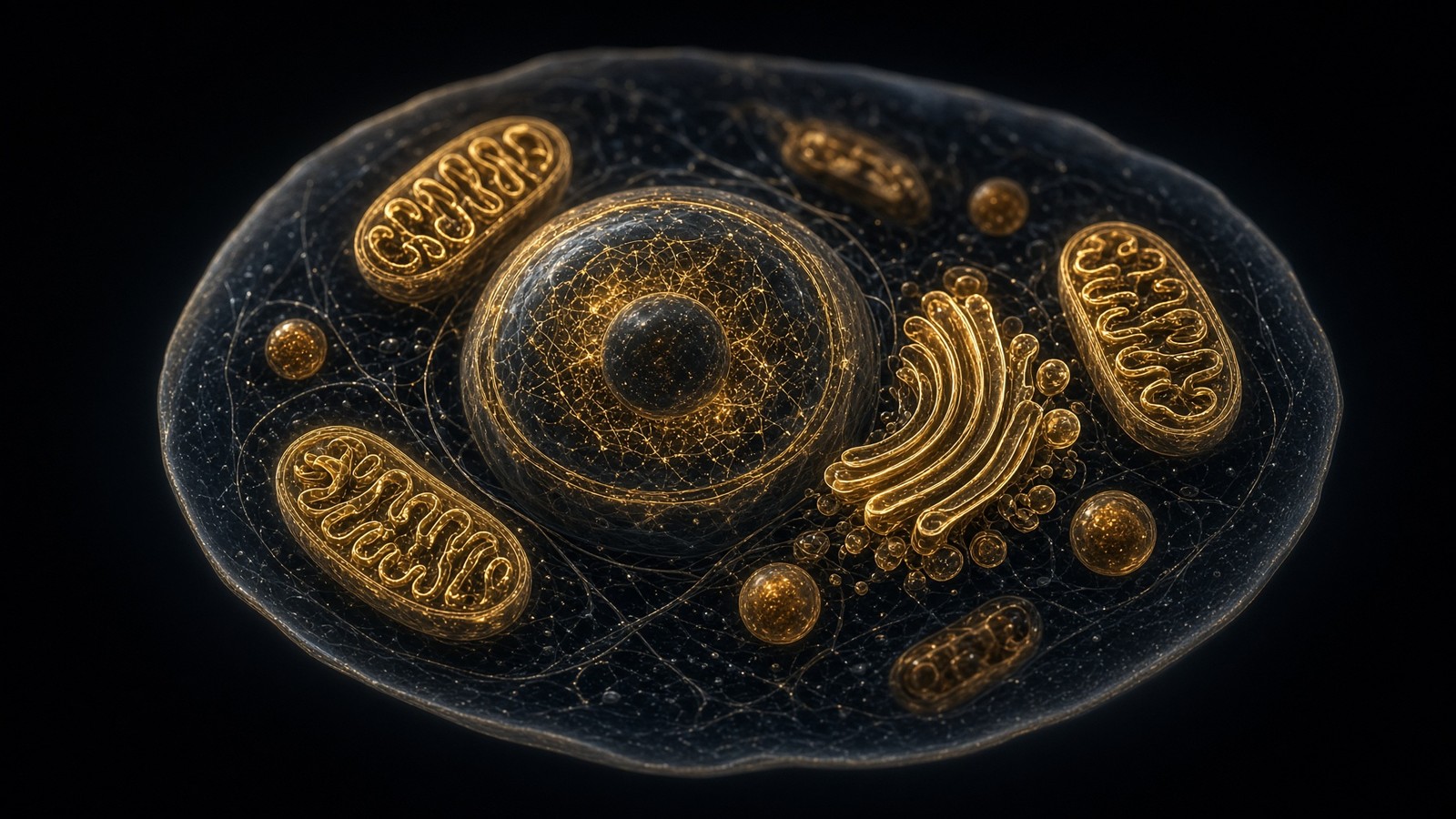
65 min · long read · The living cell
The living cell is a city, and you are 36 trillion of them
A 70 kg adult is on the order of 36 trillion cells, most of them red blood cells with no nucleus. A typical nucleated cell holds about ten billion proteins and two metres of DNA. The body recycles 40–60 kg of ATP a day. Those figures are published; this essay is what they mean.
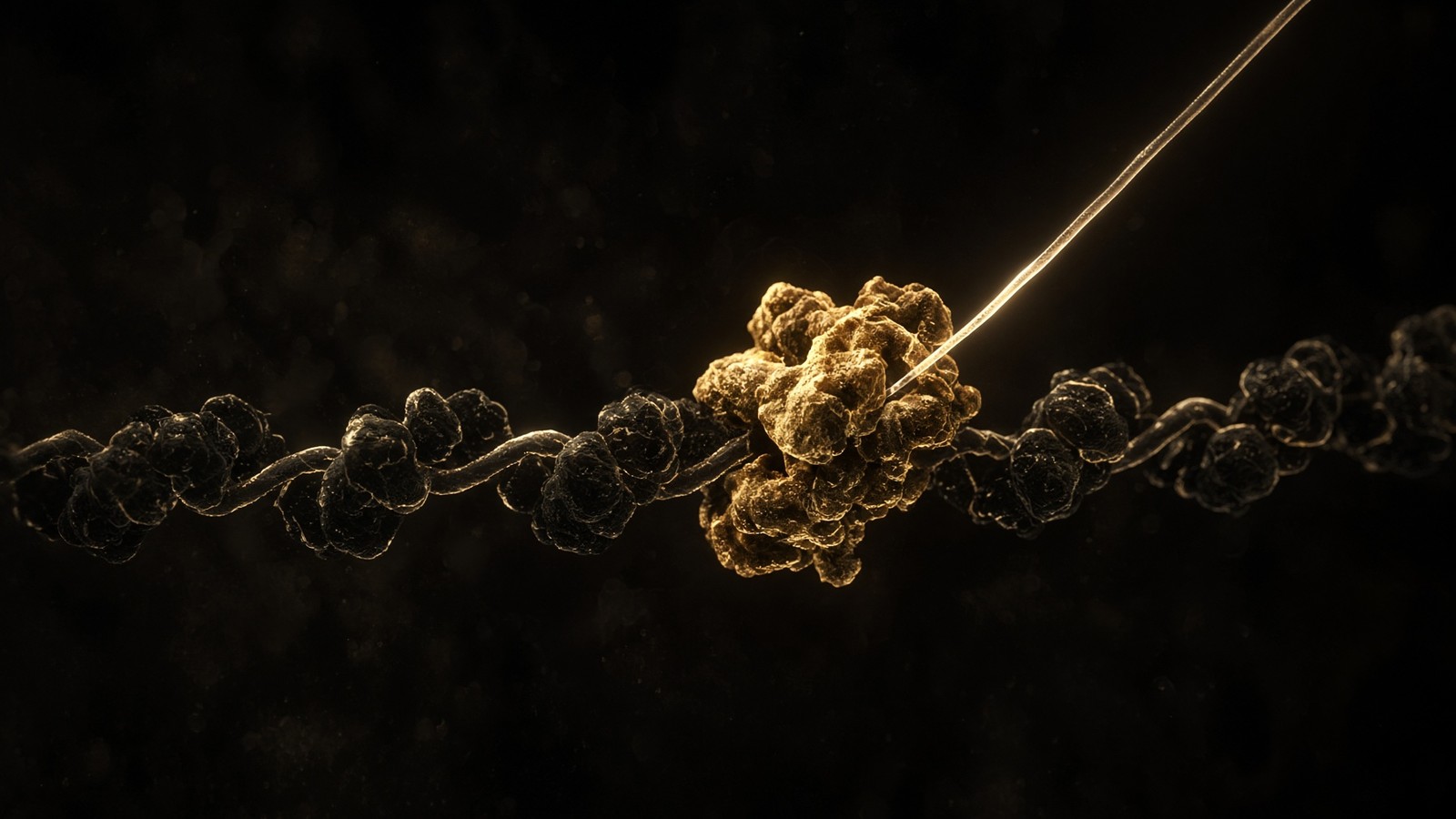
64 min · long read · The living cell
From gene to protein: how a cell actually reads itself
DNA is transcribed, spliced, exported, translated and folded. A research peptide is the ligand at the end of that pipeline, already made. This essay is every machine in between — polymerases, spliceosome, ribosome — with the actual rates attached.
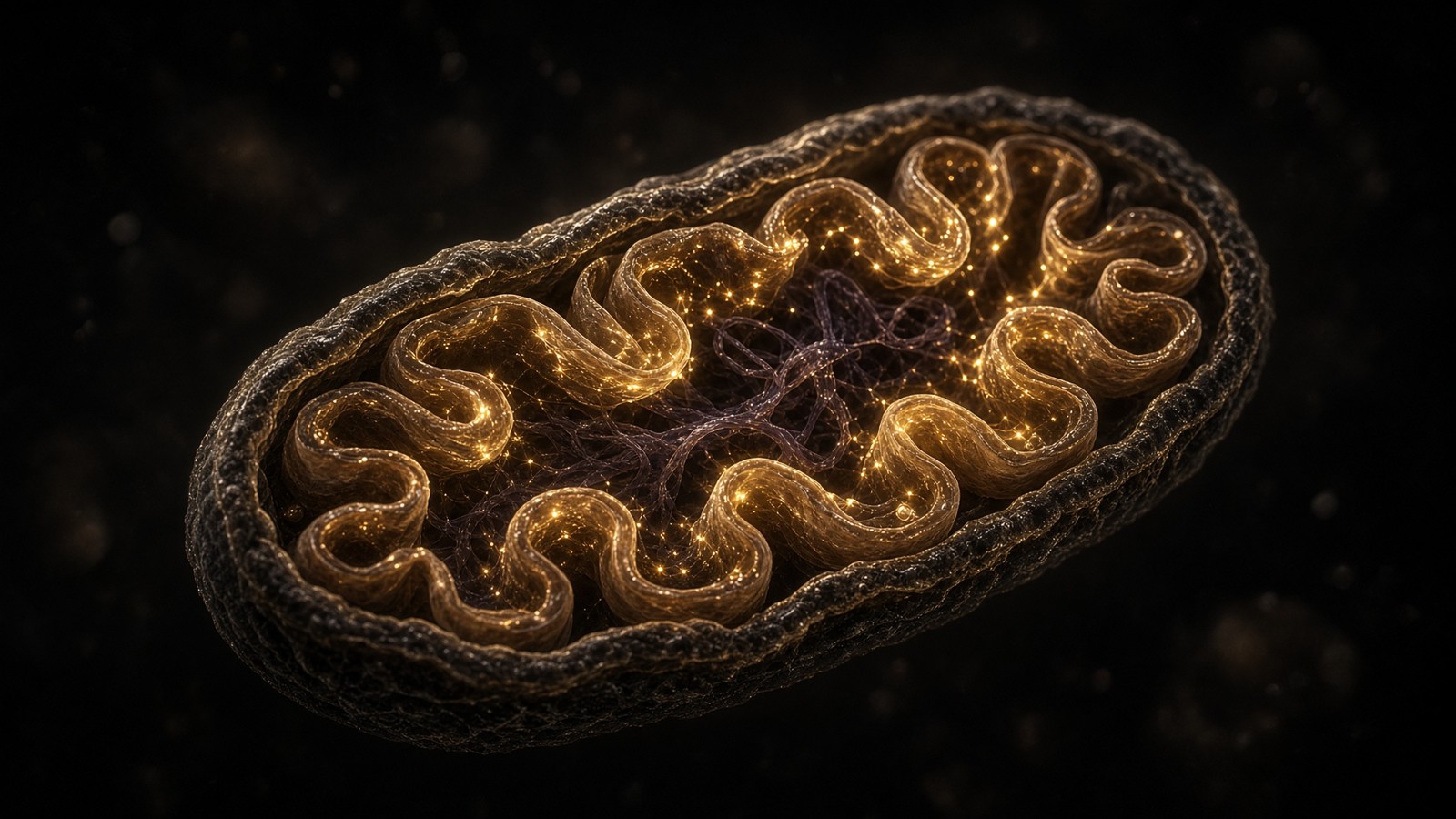
64 min · long read · The living cell
Mitochondria: the bacterium you kept, the genome it kept, the peptides it writes
You turn over 40–60 kg of ATP a day using a 16,569-base genome that still uses a bacterial genetic code. NAD+ is the hydride carrier Complex I spends. MOTS-c is a 16-mer translated from mitochondrial 12S rRNA — Lee, Kim, Cohen, 2015. That last sentence is real, and it is surprising.
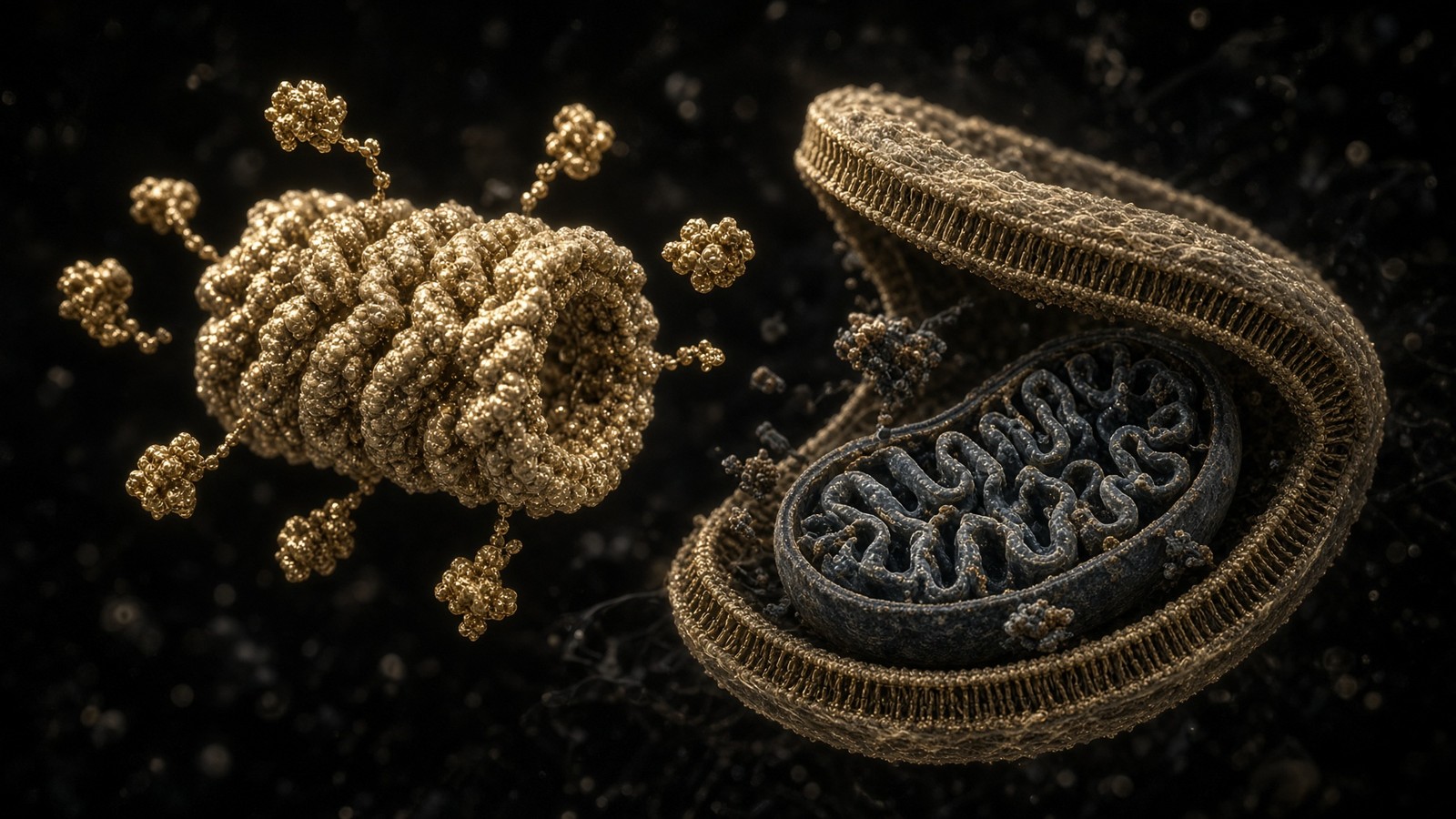
57 min · long read · The living cell
Proteostasis: the cell that eats its own mistakes
Ten billion proteins, a 76-residue tag, a 2.5-megadalton proteasome, and autophagy for whole organelles. Hershko, Ciechanover and Rose, 2004. Ohsumi, 2016. DSIP is a sleep-isolation nonapeptide, not an autophagy ligand.
54 min · long read · The living cell
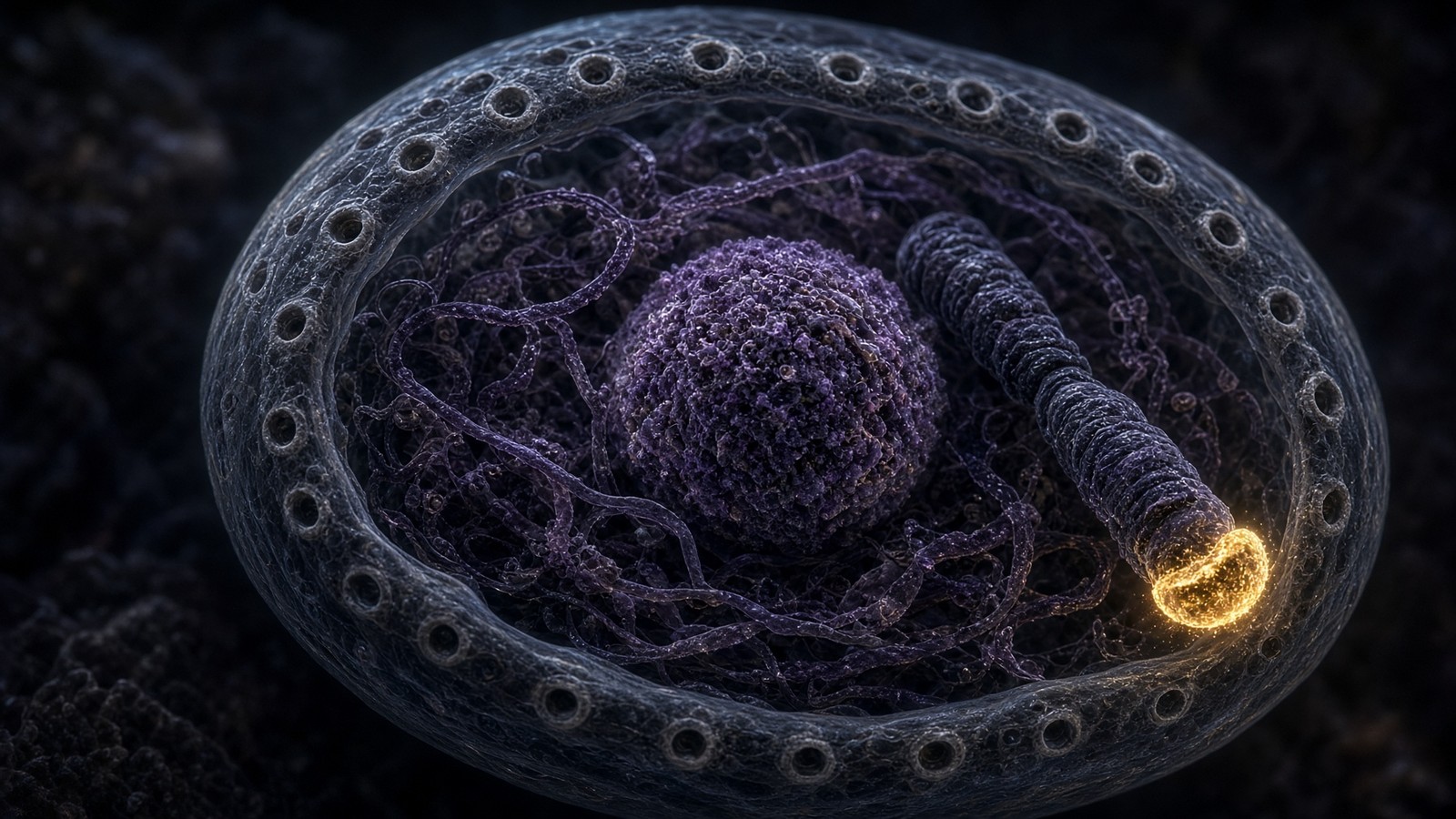
The nucleus, telomeres, and the four residues of Epithalon
Two metres of DNA folded into a nucleus a few micrometres across. TERT is off in most somatic cells on purpose. Epithalon is four residues, Ala-Glu-Asp-Gly, with a TERT and pineal literature. The machines are real. A large Western trial of telomere length in adults is not.
51 min · long read · The living cell
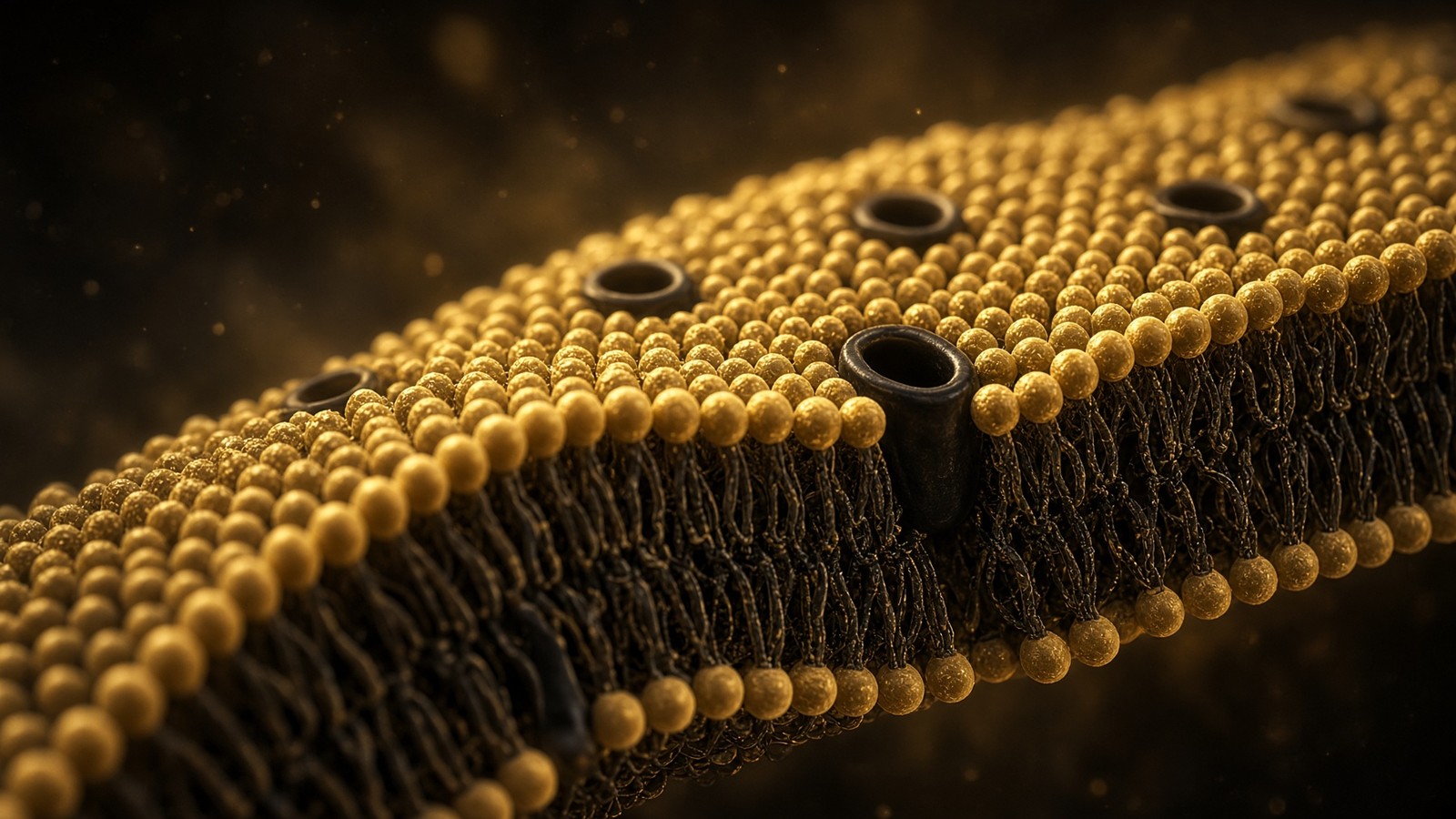
Membranes: a five-nanometre wall
Every cell, every organelle, every synapse sits on a lipid bilayer about five nanometres thick. Singer and Nicolson, Hodgkin and Huxley, a billion lipids, and why a peptide ligand at a GPCR does not need to enter the cell.
47 min · long read · The living cell
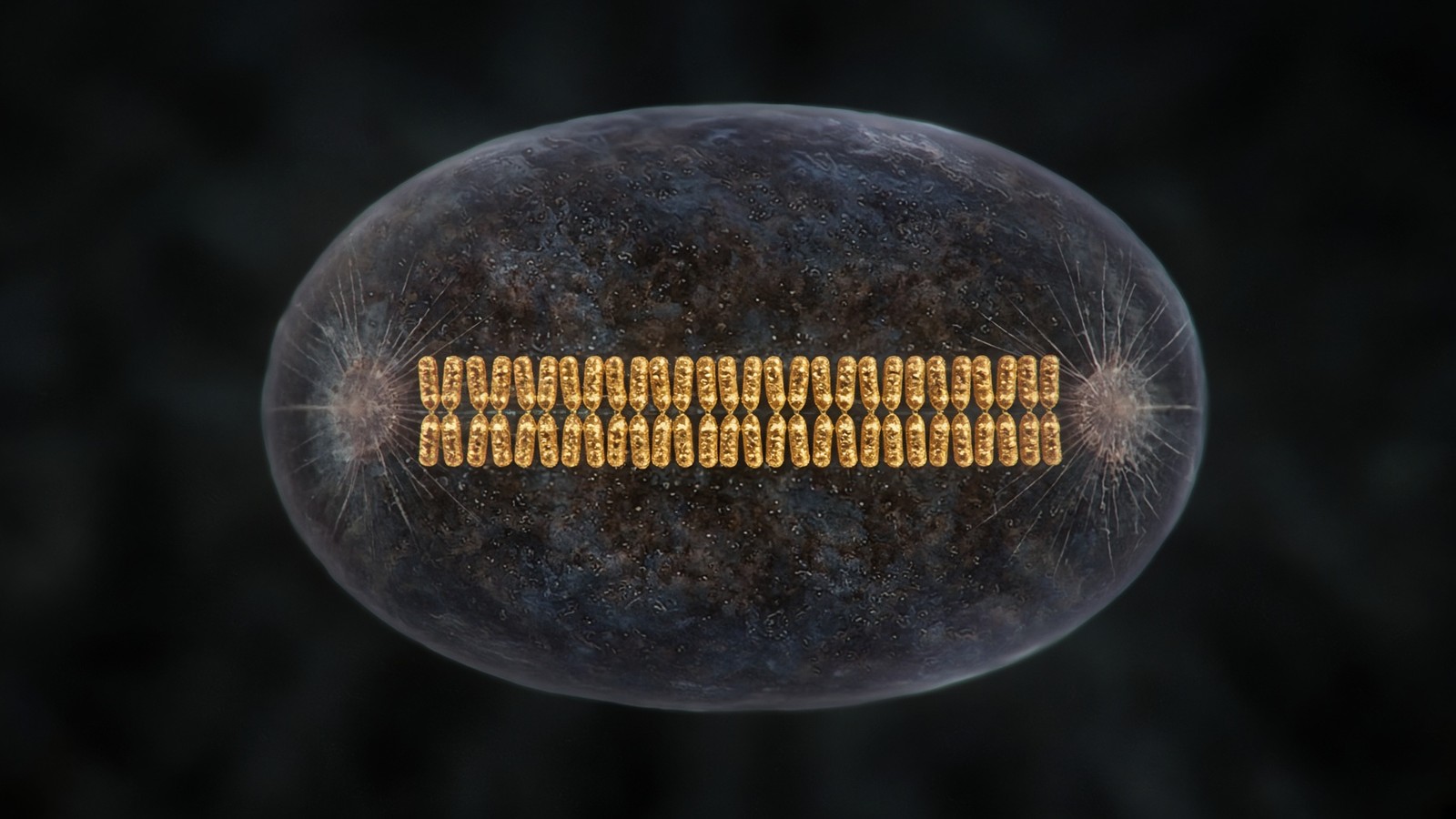
The cell cycle, p53, and the decision to divide
G1, S, G2, M. Cyclins license kinases. Checkpoints can say no. p53 reads damage and writes p21, or apoptosis, or a senescence that will not reverse. Hayflick counted the doublings. A repair-peptide paper that cannot name which of those fates moved is still only a description.
Peptide research
Named sequences, HPLC, freeze-drying, receptors. The long catalogue essays sit with the condition maps. Same voice as the Cell desk. Papers, not protocols.
36 essays · 36 long
53 min · long read · Peptide research
Recovery, GH pulses and the CJC / ipamorelin pair
Somatotrophs have two 'go' receptors. CJC without DAC is a slightly longer GHRH pulse. Ipamorelin is a selective ghrelin-receptor key that does not yank ACTH. Together they are the pair Bowers already showed is more than additive — not a gym protocol.
53 min · long read · Peptide research
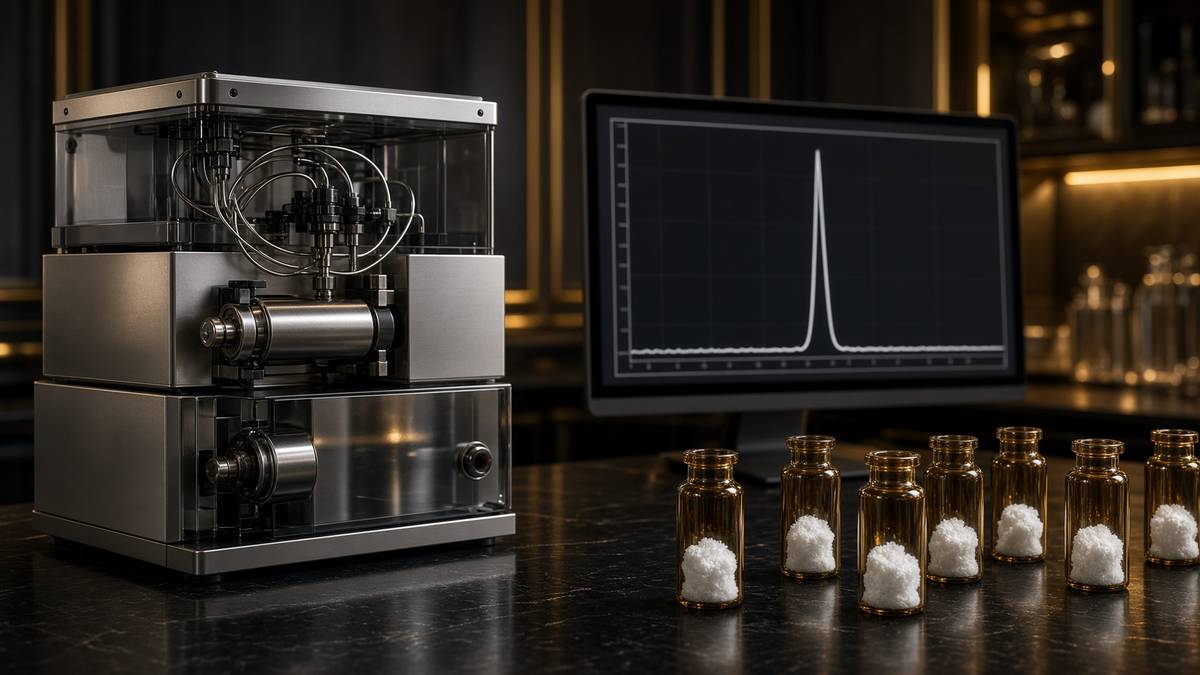
How research peptides are made — and why HPLC actually matters
Solid-phase peptide synthesis builds a chain one residue at a time. HPLC then asks whether the main peak is what you think it is. ≥98% is not a slogan. It is a chromatogram.
52 min · long read · Peptide research
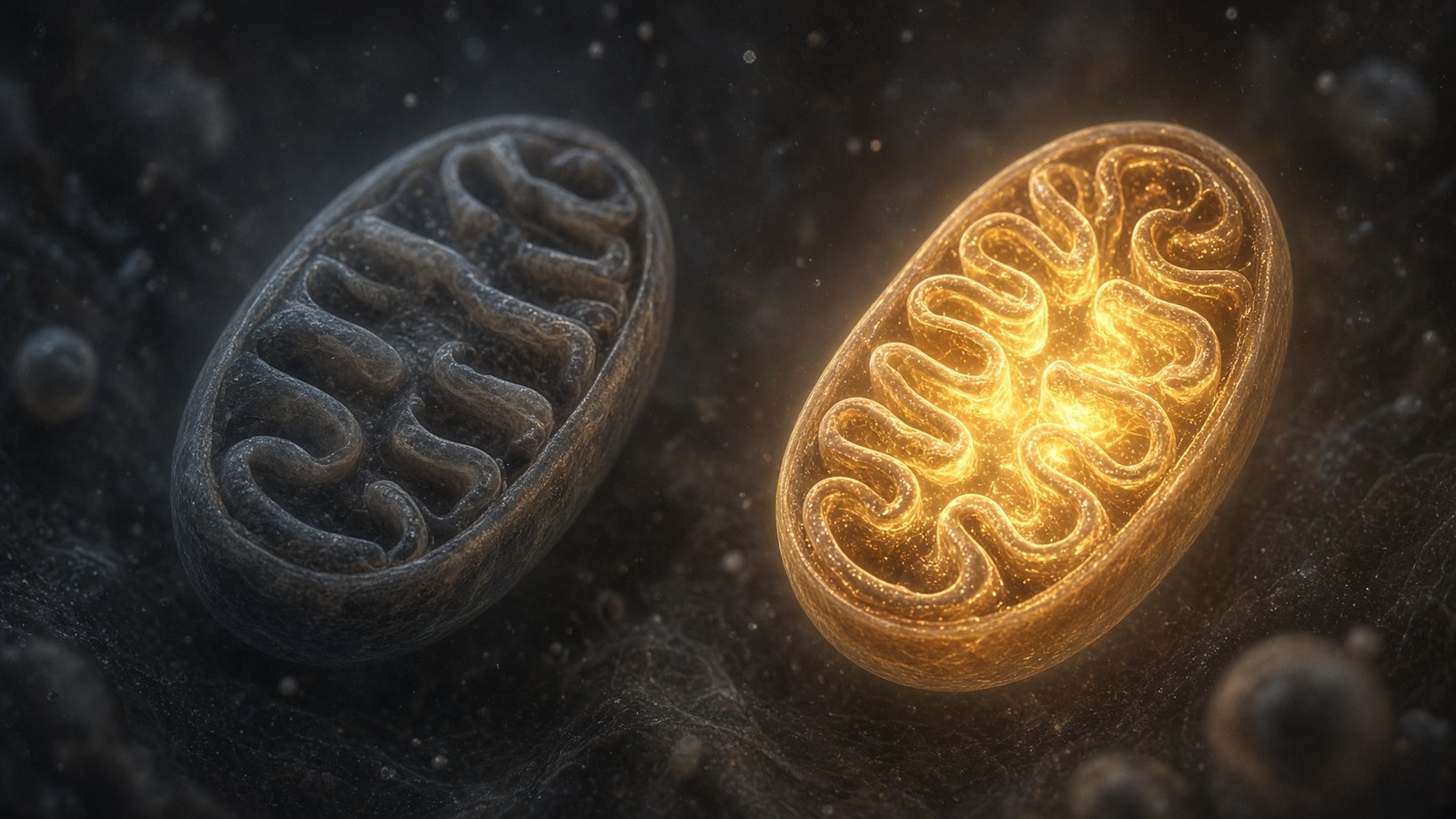
Fatigue, cellular energy and the NAD+ / MOTS-c neighbourhood
NAD+ is the rechargeable chip every cell spends on fuel and DNA repair — and the pool shrinks with age. MOTS-c is a mitochondrial 16-mer sent out under metabolic stress. Two answers to 'I have no energy' that are not coffee.
51 min · long read · Peptide research
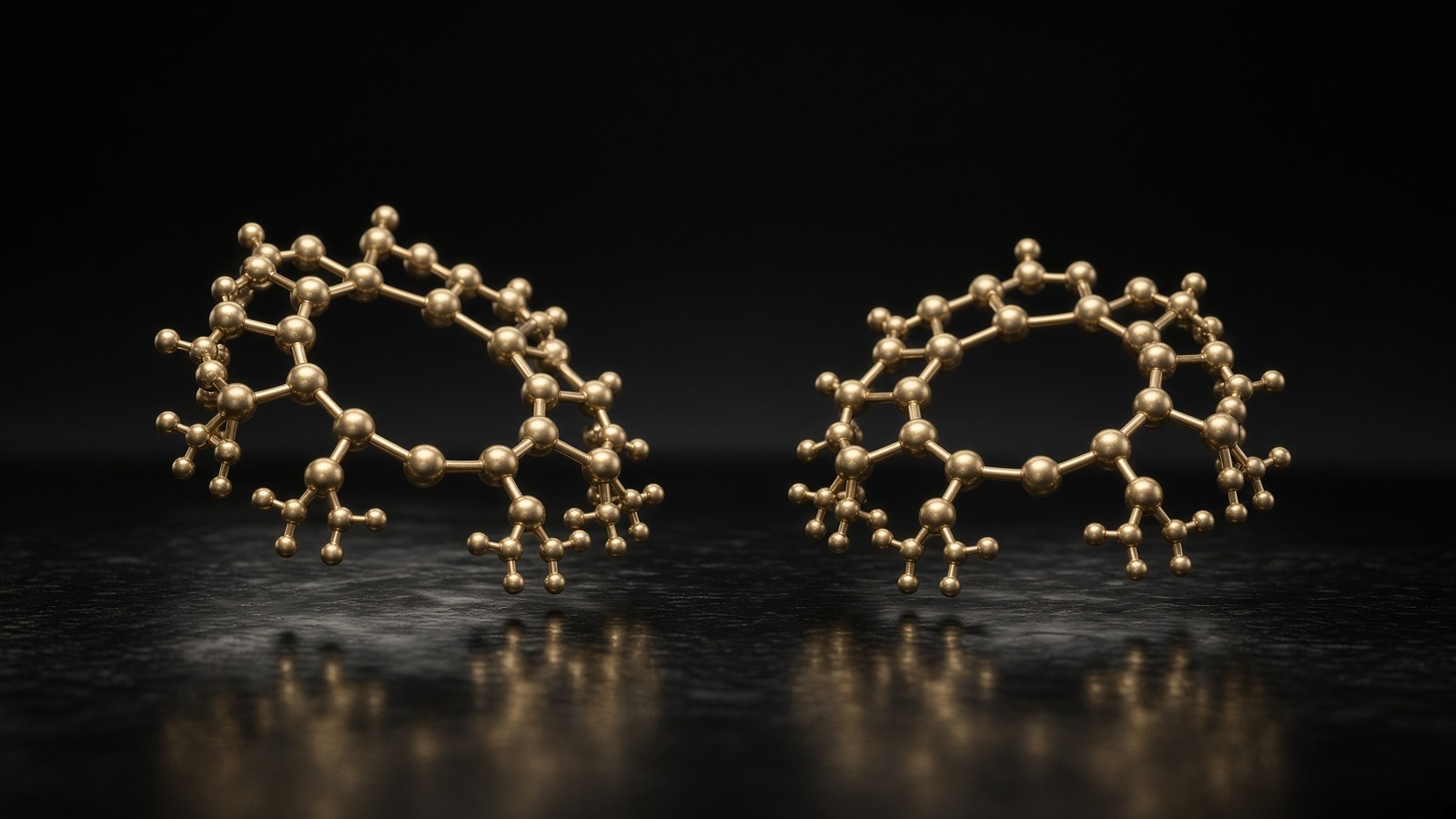
Melanocortin circuits: pigment, appetite and PT-141
Melanotan II lights MC1, MC3, MC4 and MC5 — pigment plus the rest of the sheet. PT-141 is the free-acid cousin pointed at MC3 and MC4, the circuitry papers use for desire and energy, not skin colour. Same Arizona family. Different question.
51 min · long read · Peptide research
GHRH and ghrelin mimetics: two keys on the same pituitary lock
Somatotrophs have two ‘go’ receptors — GHRHR (Gs–cAMP) and GHSR (Gq). Bowers showed that occupying both releases more GH than the sum of either. That is synergy as a receptor fact, not a smoothie.
51 min · long read · Peptide research
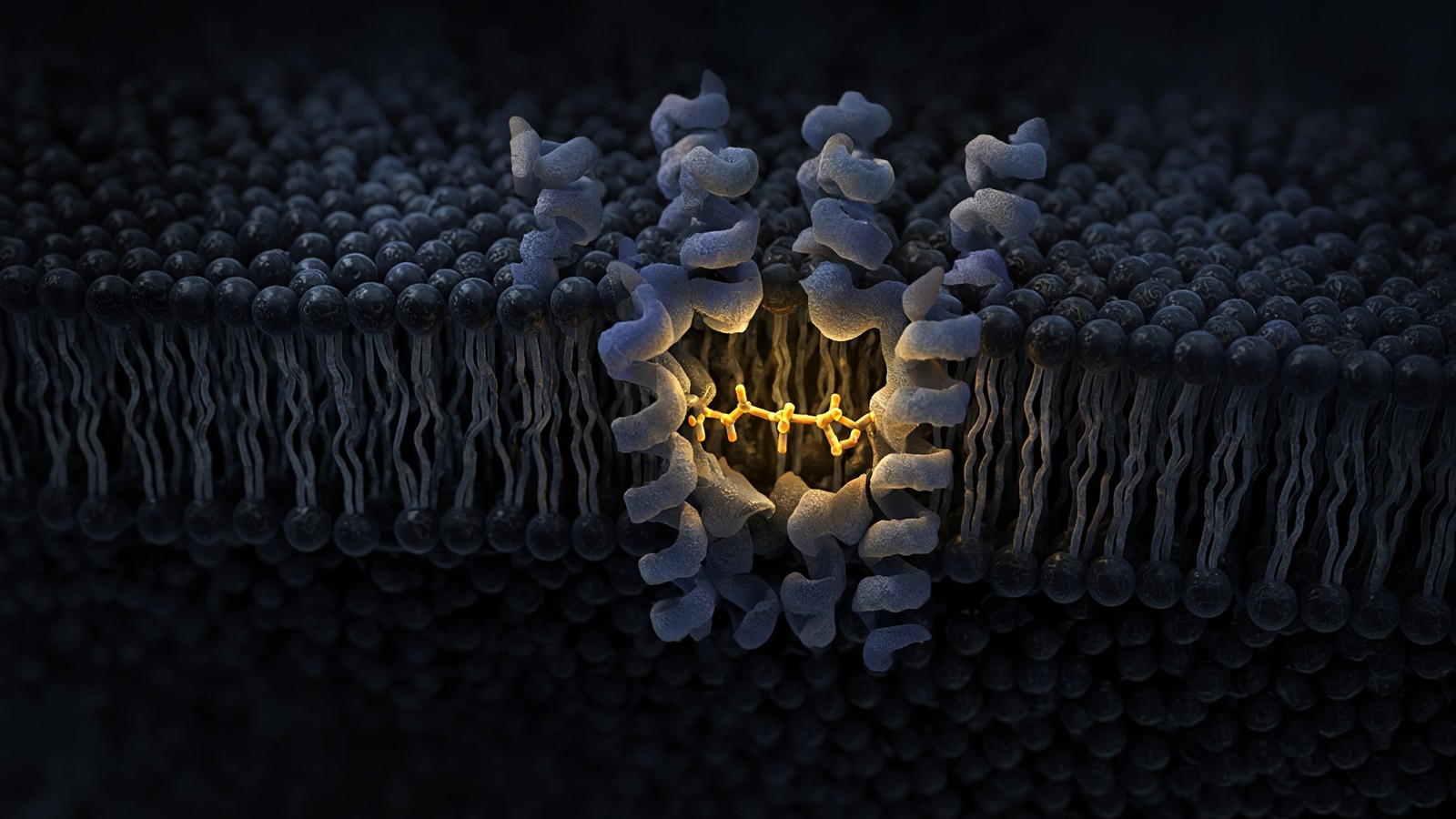
Ipamorelin: the ghrelin receptor without the circus
A pentapeptide GHS-R1a agonist that raises GH with minimal ACTH, cortisol or prolactin. Raun 1998 is still the paper. Selectivity is the entire product.
50 min · long read · Peptide research
Sleep architecture, delta waves and the two peptides people file under insomnia
DSIP was isolated from blood leaving a sleeping brain. Epithalon sits on pineal melatonin amplitude and telomerase. Neither is a night's rest in a vial.
50 min · long read · Peptide research
Why peptides are the next chapter of medicine
More than a hundred peptide drugs are already approved. Insulin opened the century. GLP-1 agonists moved weight into bariatric territory. Oral tablets, biased agonists and triple ligands are the current argument.
50 min · long read · Peptide research
Sirtuins, caloric restriction and the NAD+ budget
Yeast SIR2, worm daf-16, mouse SIRT1 — a conserved story about spending NAD+ to deacylate the proteins that decide whether a cell is in famine or feast. The cofactor is the budget. We stock it at 1000mg.
49 min · long read · Peptide research
Skin, collagen, hair — copper peptide, GLOW and the inflammation tail
GHK-Cu escorts copper into a fibroblast so collagen can be finished. GLOW puts that tripeptide in a cake with BPC-157, TB-500 and KPV. KPV on its own is the anti-inflammatory tail without the tan. Matrix literature, not a moisturiser.
49 min · long read · Peptide research
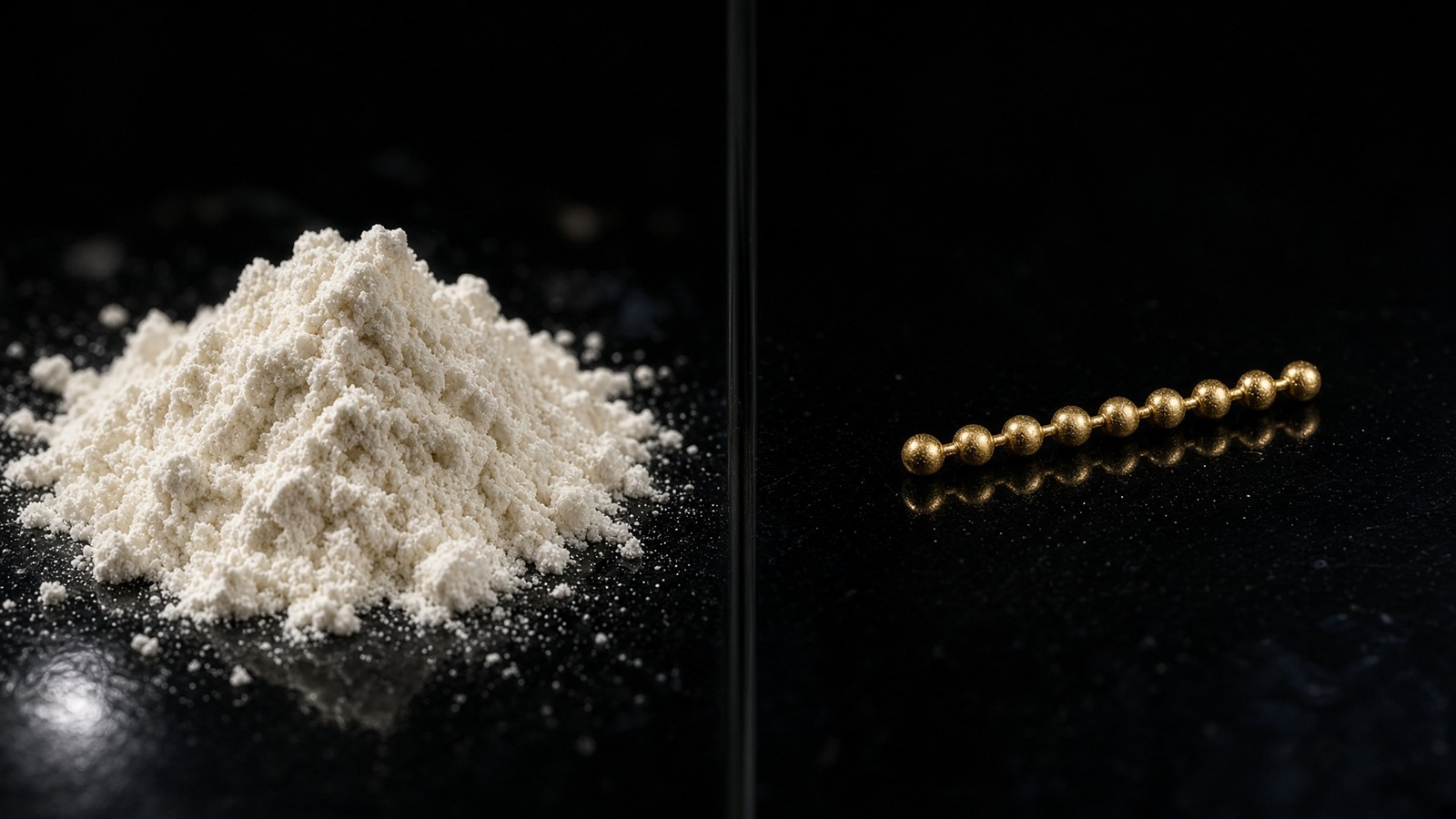
Collagen powder is not a research peptide
Type I collagen is a thousand-residue triple helix. Industrial ‘collagen peptides’ are a 2–5 kDa hydrolysate of that helix — thousands of fragments, no single HPLC peak. GHK-Cu is three letters and a metal.
49 min · long read · Peptide research
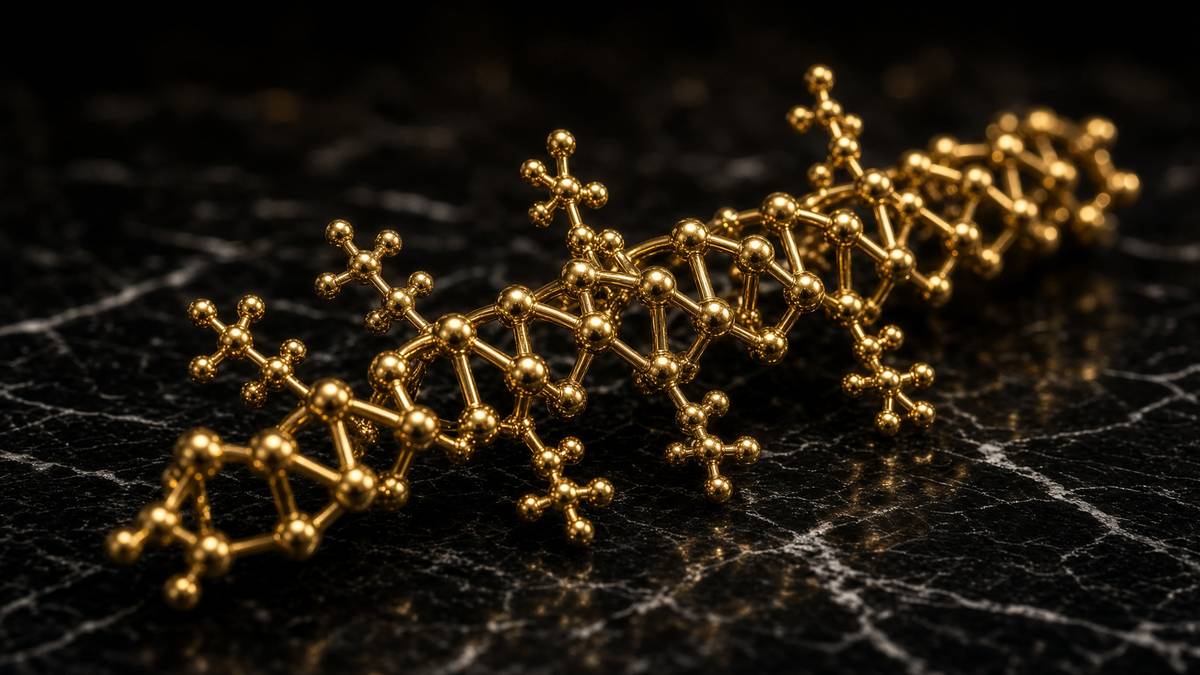
What are peptides? Short chains that run the body
Peptides are amino acids joined by peptide bonds — shorter than proteins, more specific than most small-molecule drugs. Insulin was the first. GLP-1 agonists are the current proof. The catalogue here is the same chemistry, labelled for research.
49 min · long read · Peptide research
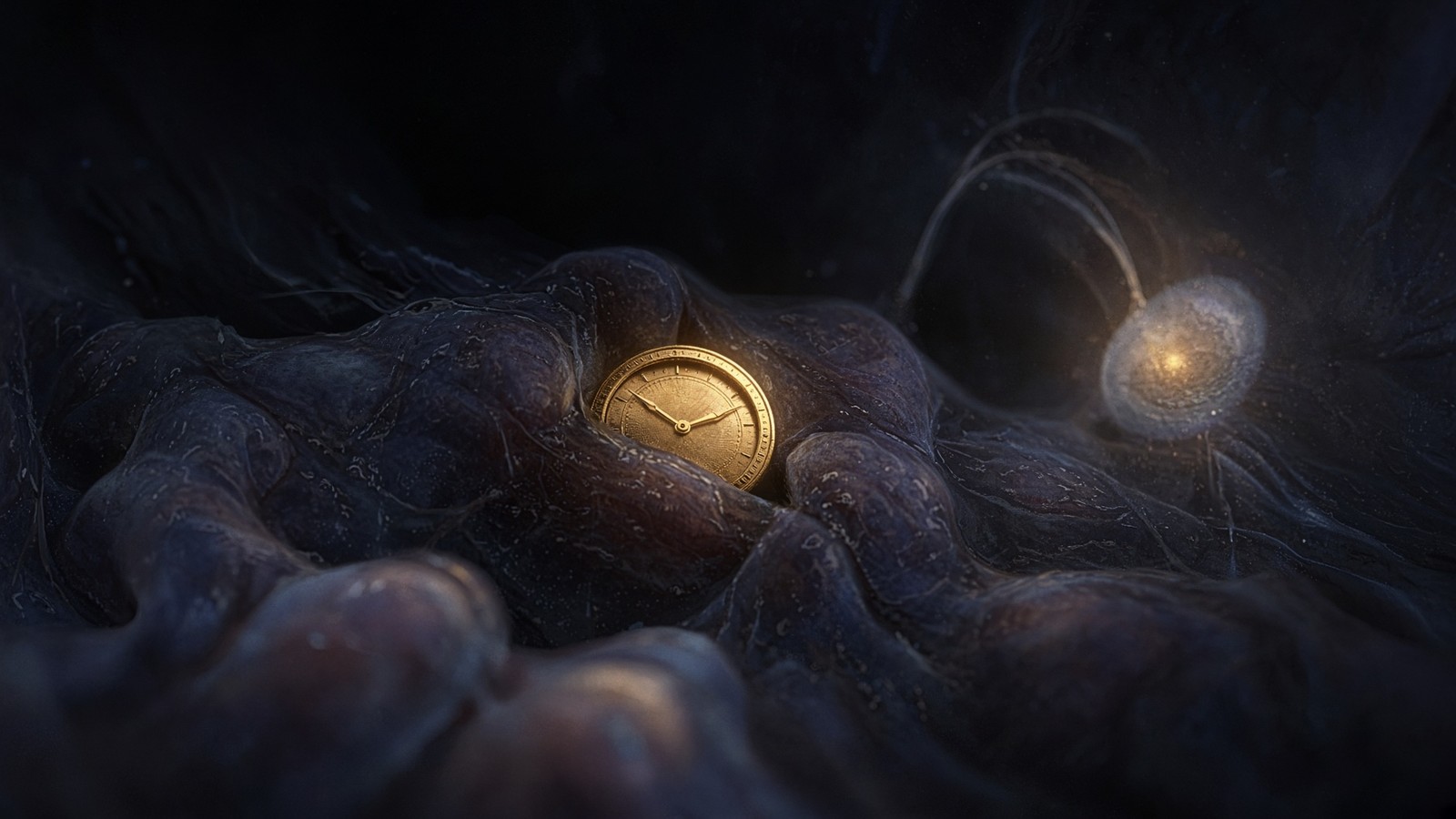
The pineal, melatonin and the 24-hour gene
The SCN is a transcription-translation loop that keeps ~24-hour time. The pineal converts its night signal into melatonin via AANAT. Peripheral clocks then decide when liver may make glucose. Aging flattens the peak.
49 min · long read · Peptide research
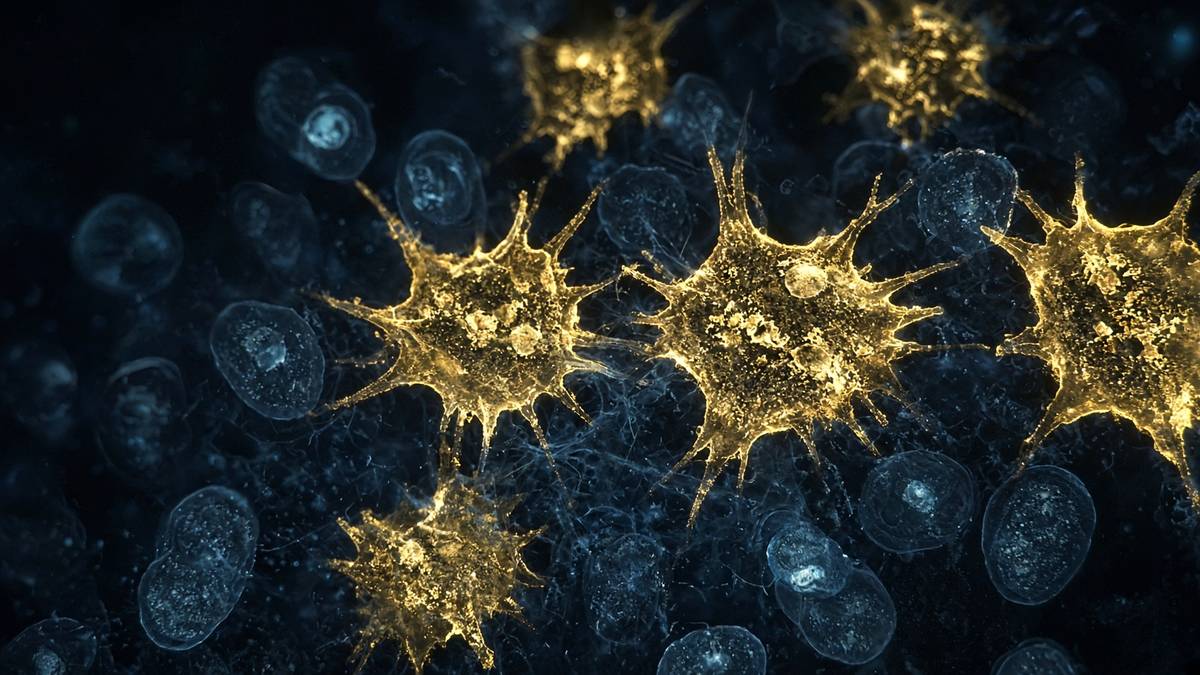
Senescent cells refuse to die, and they talk too much
Hayflick watched fibroblasts stop dividing. Campisi named the SASP — the inflammatory letters those arrested cells keep sending. Clearing p16-high cells in mice (INK-ATTAC) delayed aging phenotypes. The pathology is accumulation, not the programme itself.
49 min · long read · Peptide research
TB-500 and thymosin β4: repair is a cytoskeletal programme
Cells crawl by parking and releasing actin monomers. Thymosin β4 is the buffer. TB-500 is the research analogue built around that idea — characterised, named, on the bench.
49 min · long read · Peptide research
Epithalon, telomeres and the pineal clock
A four-residue peptide from the Khavinson school sits where melatonin, telomerase and aging research overlap. The claim is large. The molecule is tiny. The assays are specified.
49 min · long read · Peptide research
NAD+: the currency of cellular time
NAD+ is nicotinamide adenine dinucleotide, the hydride coin Complex I wants oxidised and the stoichiometric substrate sirtuins, PARP1 and CD38 spend. Salvage through NAMPT is the kinetic bottleneck; the pool falls with age. Restoration in mice moves muscle, endothelium and stem-cell assays; human NR and NMN trials more often move the metabolome than a hard clinical endpoint. This essay is that topology, the named papers, and why a 1000 mg cake of lyophilised β-NAD+ is a laboratory reagent rather than an infusion.
48 min · long read · Peptide research
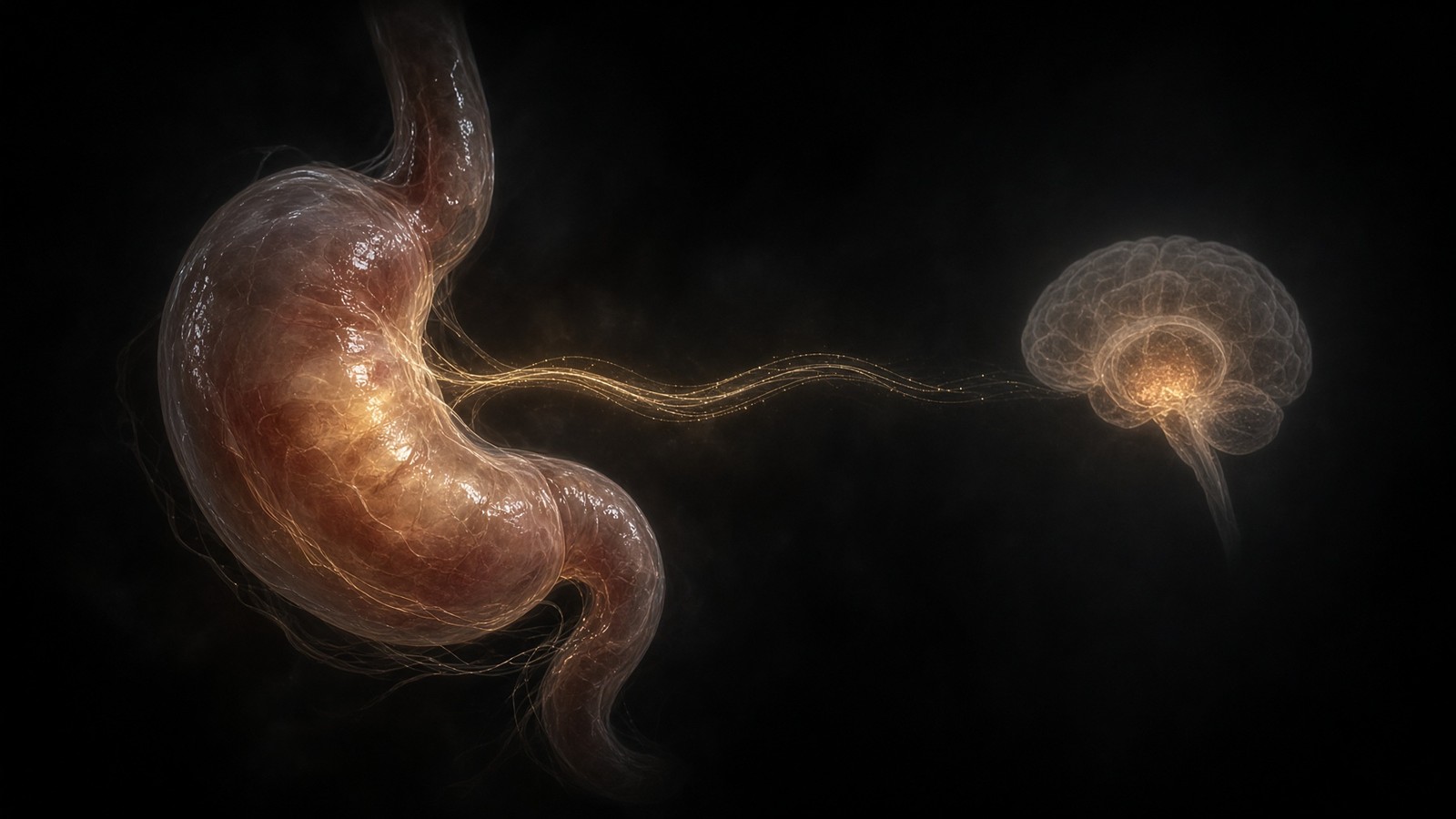
IBS, gut lining and the two research peptides that sit on that literature
Irritable bowel is a symptom cluster, not a receptor. The papers that name molecules for barrier tissue keep coming back to a gastric 15-mer and a three-residue tail of α-MSH. That map — not a gastroenterology appointment.
48 min · long read · Peptide research
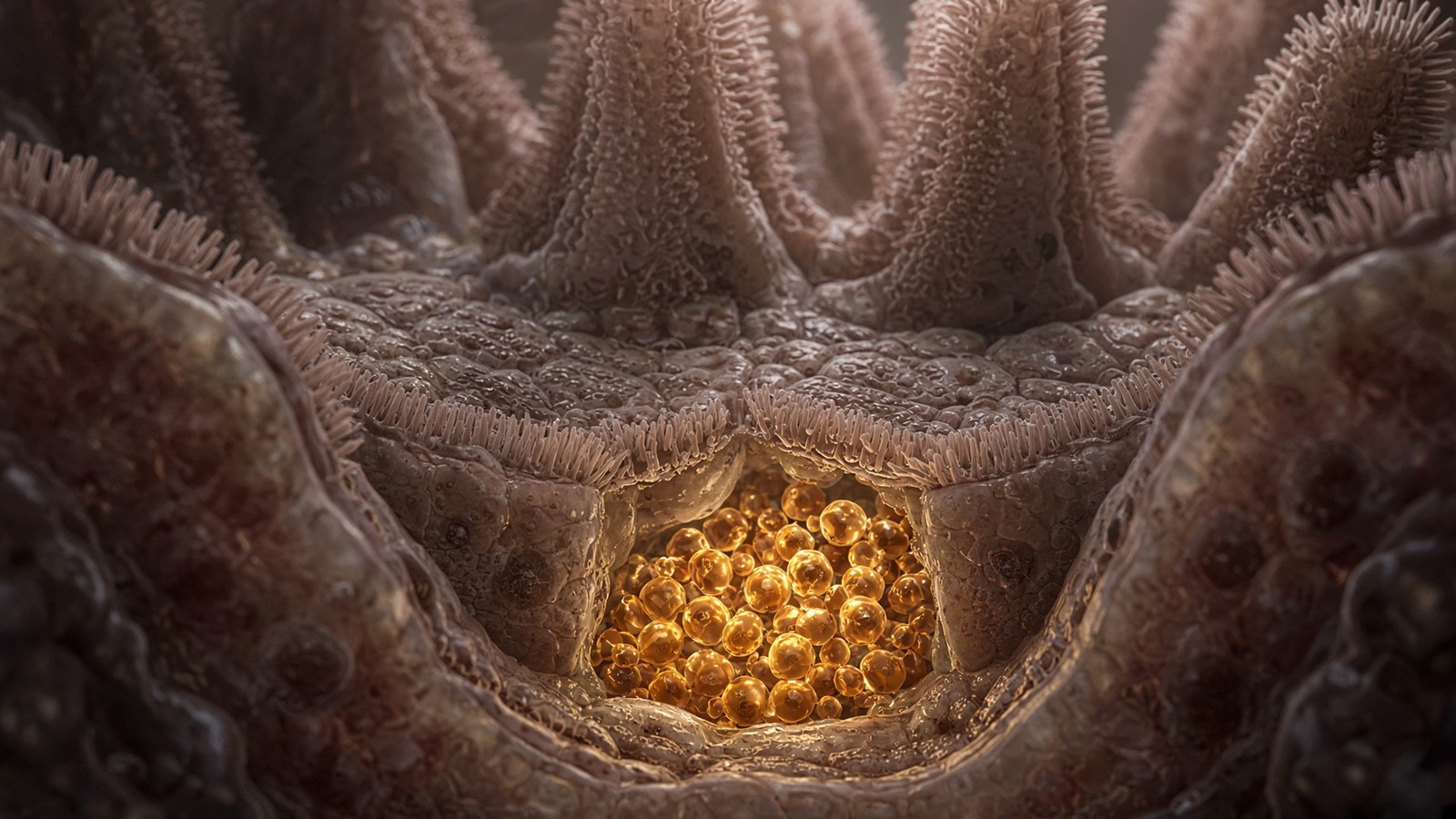
Appetite, body weight and the peptides that sit on metabolic literature
Retatrutide is the published triple-agonist chain LY3437943 — GLP-1, GIP and glucagon on one molecule. MOTS-c is a mitochondrial 16-mer that talks to AMPK. One is an incretin story. One is a fuel-gauge story. Neither is a diet.
48 min · long read · Peptide research
From secretin to retatrutide: a century of gut hormones
Bayliss and Starling named the first hormone in 1902. A hundred and twenty years later a single American-made chain occupies GIP, GLP-1 and glucagon at once. The through-line is the gut talking to the pancreas.
48 min · long read · Peptide research
Melanotan II: a pan-melanocortin agonist with a clinical cousin
Built in Arizona as a sunless-tanning analogue, MT2 lights MC1, MC3, MC4 and MC5. The FDA-approved relative is bremelanotide. The research reagent is the unselective parent.
48 min · long read · Peptide research
KPV: three residues, an NF-κB off-switch
The C-terminal tripeptide of α-MSH keeps much of the anti-inflammatory pharmacology and almost none of the tanning. Gut epithelium, PepT1, and a very small molecule.
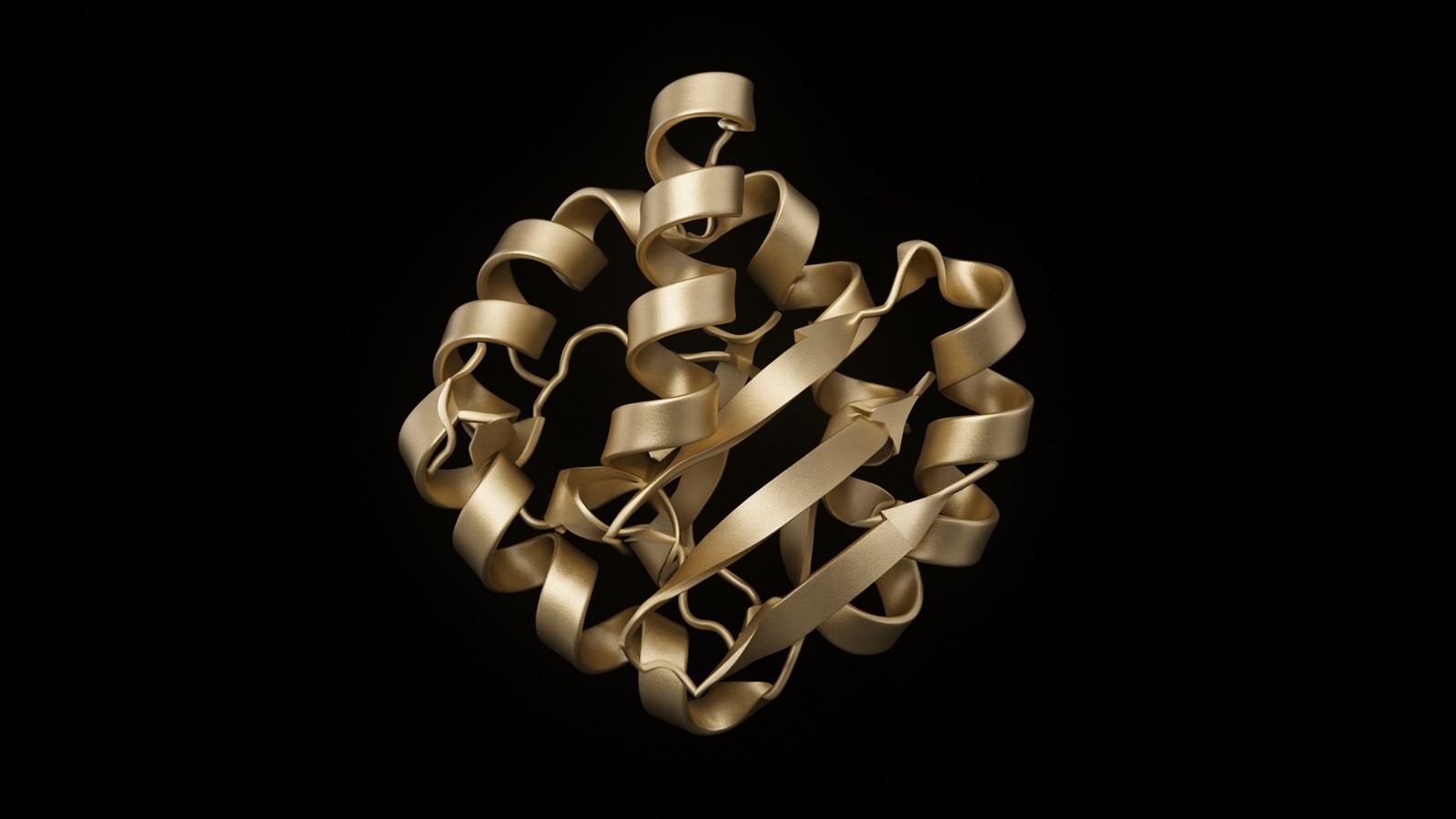
48 min · long read · Peptide research
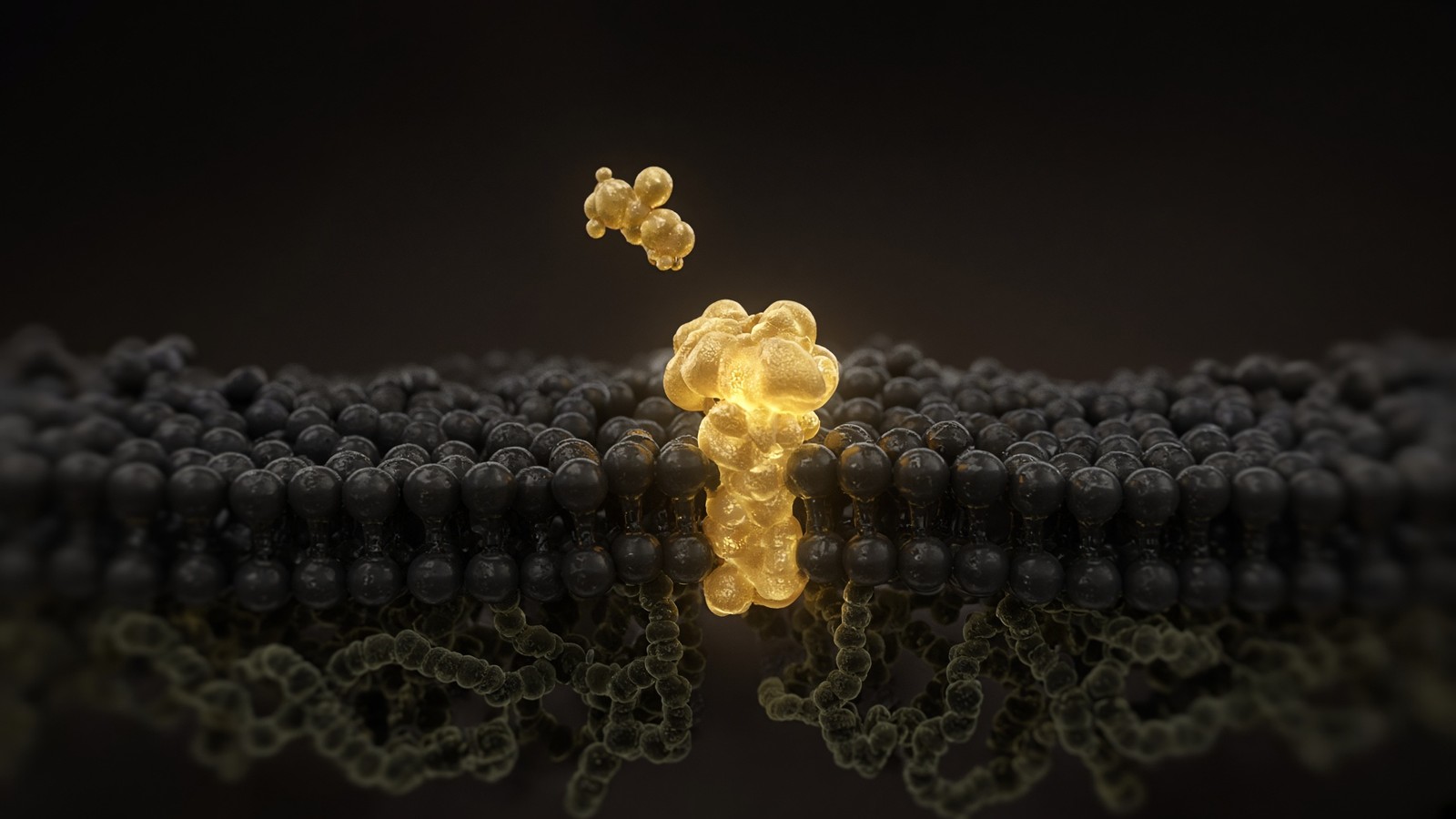
Somatropin: the 191-residue ligand
Recombinant human growth hormone is one of the most studied proteins in endocrinology. Pulsatility, GHR–JAK2–STAT5b, lipolysis, IGF-1 generation — the map is public.
48 min · long read · Peptide research
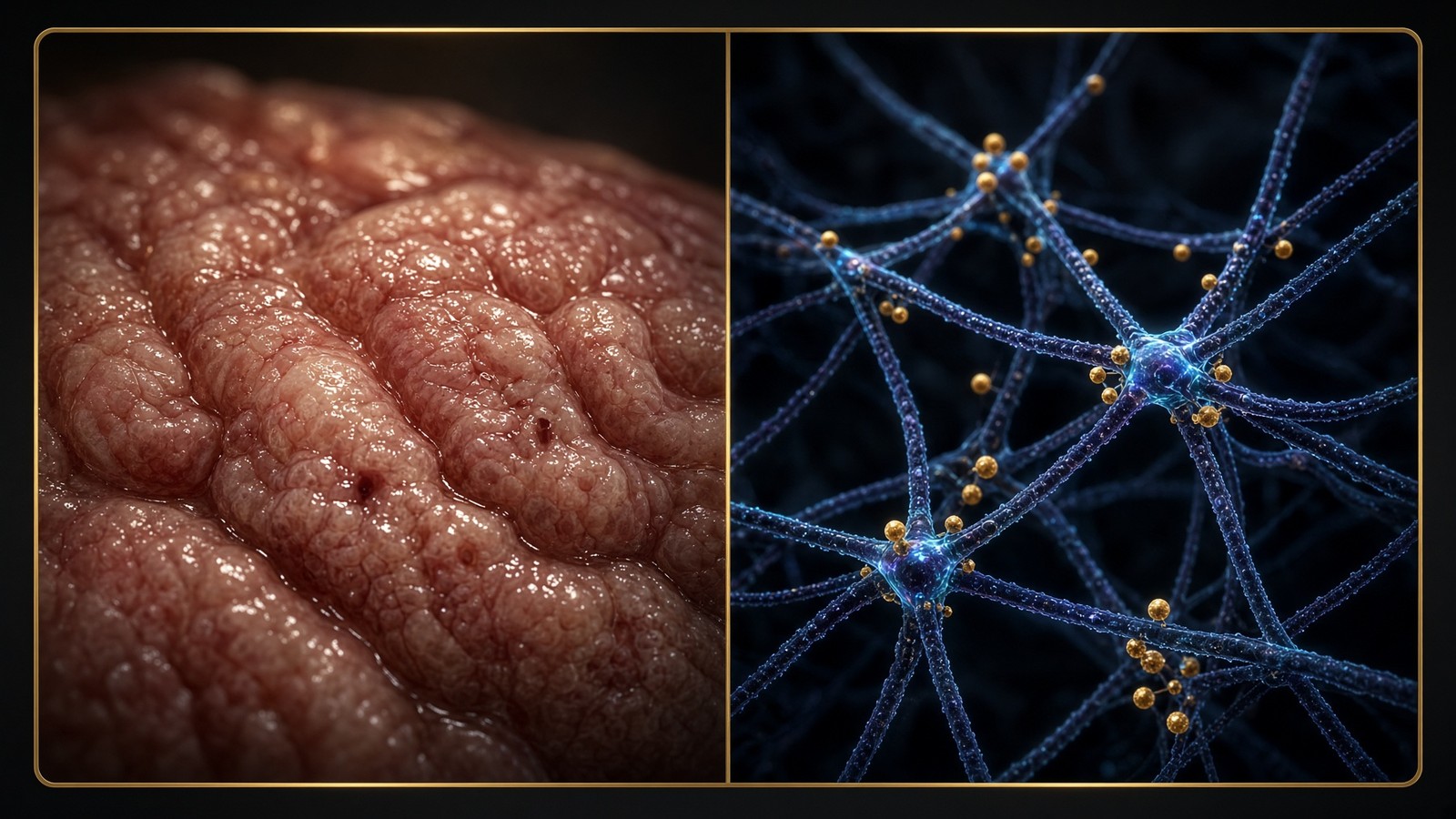
IGF-1 LR3: taking the binding proteins out of the fight
Insulin-like growth factor-1 is the tyrosine-kinase half of the GH conversation. LR3 is an analogue designed to ignore IGFBPs — so the receptor on a cultured cell actually sees it.
48 min · long read · Peptide research
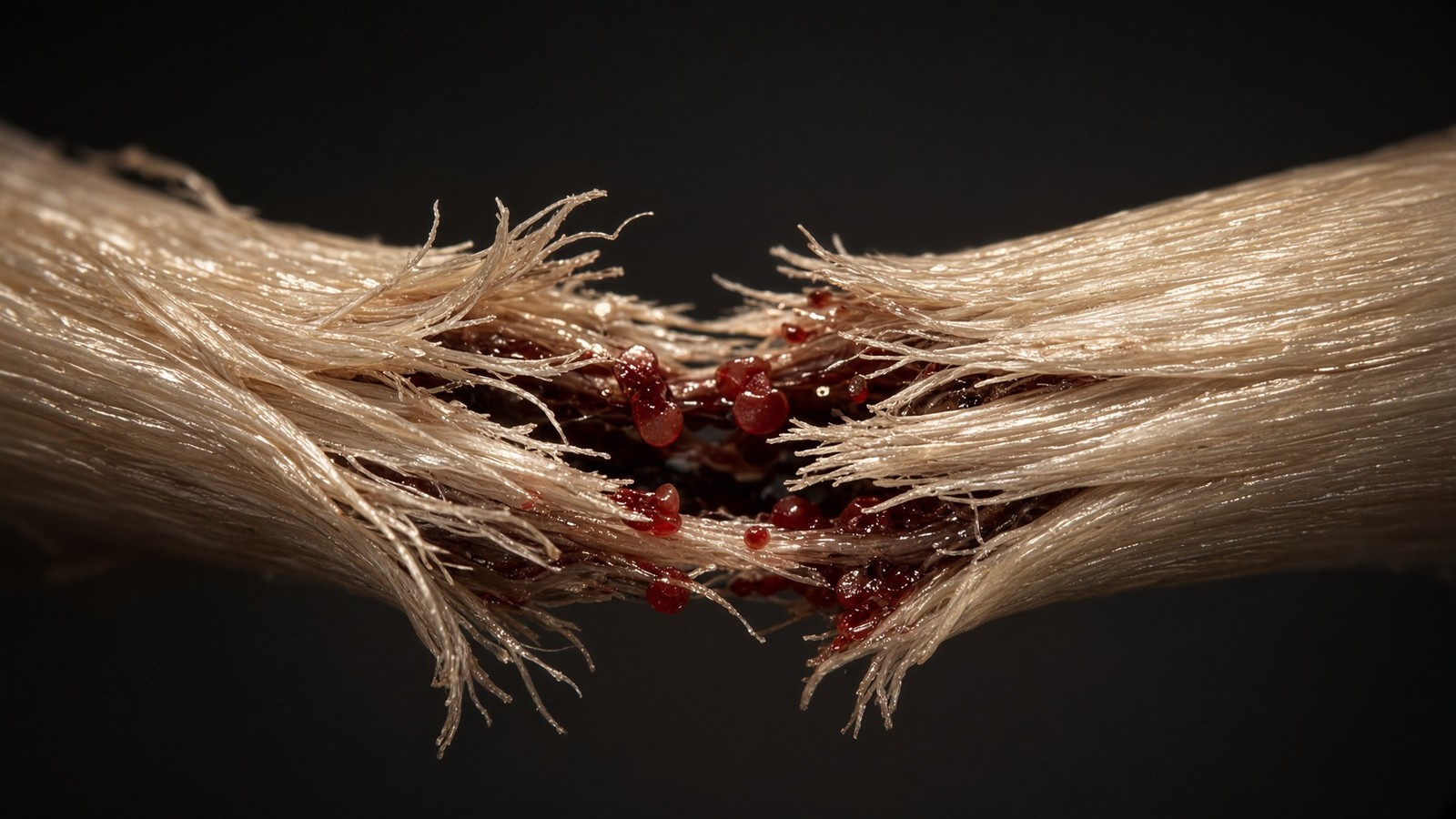
BPC-157 and TB-500: two different ideas of repair
A gastric pentadecapeptide and an actin-binding motif. Related in folklore, unrelated in mechanism — two of the most interesting repair probes in the catalogue.
47 min · long read · Peptide research
Tendon, muscle crush and why BPC-157 is not TB-500
Internet culture bundled two repair peptides as a healing stack. One is a gastric 15-mer that talks to vessels and tenocytes. The other is an actin-buffer fragment that lets a cell crawl.
47 min · long read · Peptide research
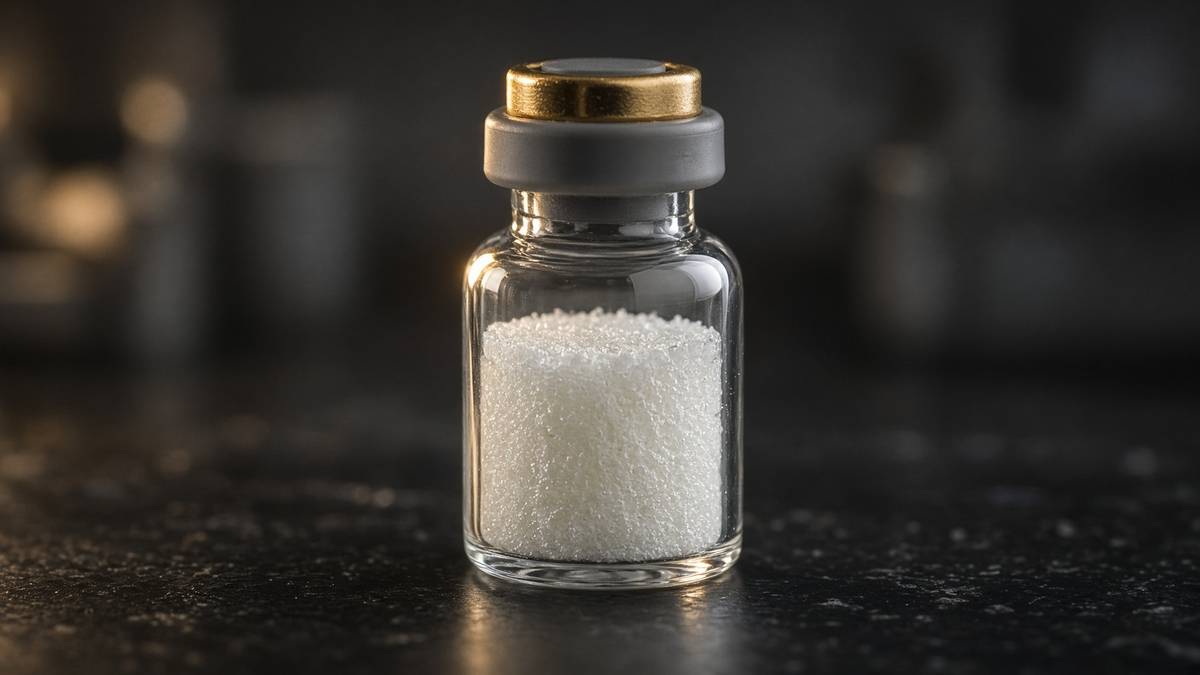
Why peptides are freeze-dried — and what reconstitution actually is
Water hydrolyses peptide bonds, oxidises methionine and grows microbes. Lyophilisation sublimes the ice so the chain ships as a porous cake. Reconstitution is mass divided by volume — laboratory handling, not a protocol for a body.
46 min · long read · Peptide research
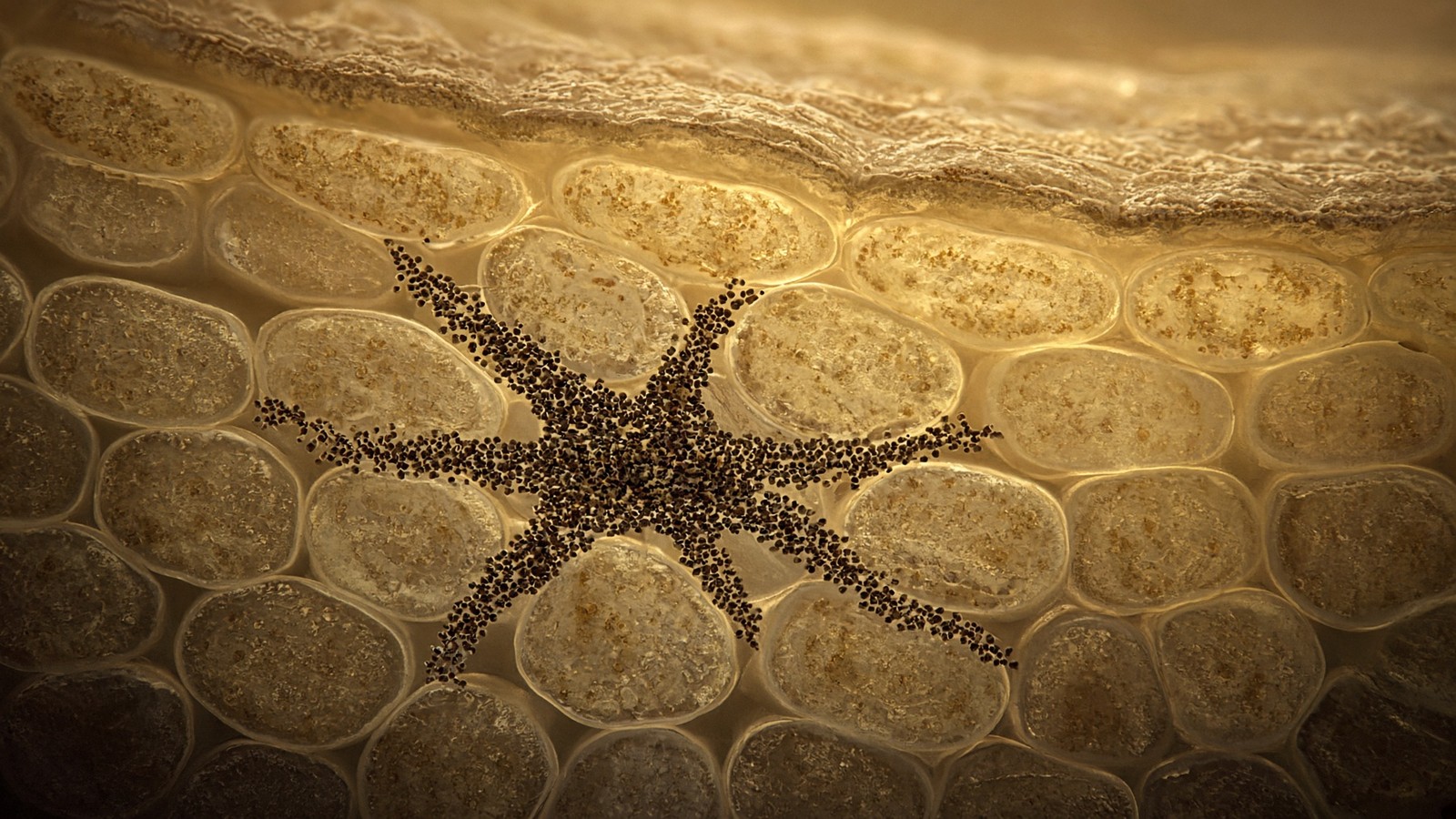
Melanocortins: from tanning receptors to inflammatory off-switches
MC1R makes pigment. MC4R runs appetite — and its loss is a monogenic obesity syndrome. KPV keeps the anti-inflammatory tail of α-MSH. MT2 is the pan-agonist that does not know subtle.
46 min · long read · Peptide research
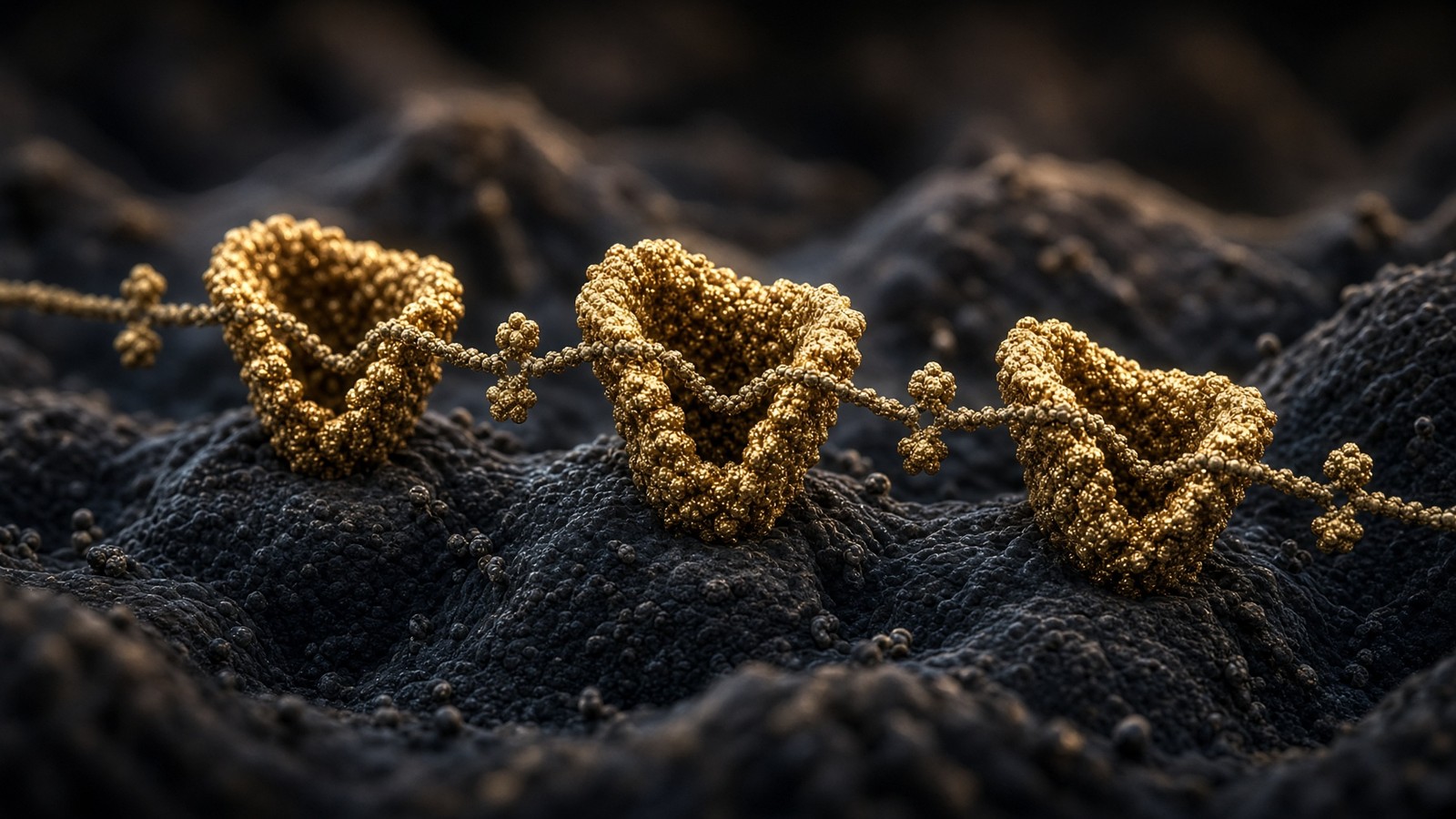
Retatrutide (LY3437943): the published triple-agonist structure
A fatty-acylated unimolecular agonist at GIPR, GLP-1R and GCGR. US-made, HPLC-MS verified, labelled for laboratory research — not a medicine.
45 min · long read · Peptide research
How to read a Phase 2 paper without lying to yourself
Jastreboff et al., NEJM 2023, is a public Phase 2 trial of retatrutide: 338 adults, placebo, 48 weeks, 24.2% mean weight loss at 12 mg. n, randomisation, adverse events, and why a research vial of the published structure is not the investigational medicine.
45 min · long read · Peptide research
BPC-157: the pentadecapeptide that survived the stomach
A 15-residue fragment of a gastric protein, stable in acid, with a large preclinical literature on endothelium, tendon and nitric oxide. Here is the molecule, the papers, and what they actually mean.
45 min · long read · Peptide research
GHK-Cu: a copper tripeptide that rewrites a spreadsheet of genes
Pickart isolated GHK from plasma fractions that made old liver tissue synthesise proteins like young tissue. The tripeptide holds copper. The live claim is a transcriptome, not a moisturiser.
44 min · long read · Peptide research
The growth-hormone axis, properly explained
GHRH, ghrelin, somatotropin and IGF-1 are one conversation. CJC without DAC, ipamorelin, HGH and IGF-1 LR3 are four different microphones.
43 min · long read · Peptide research
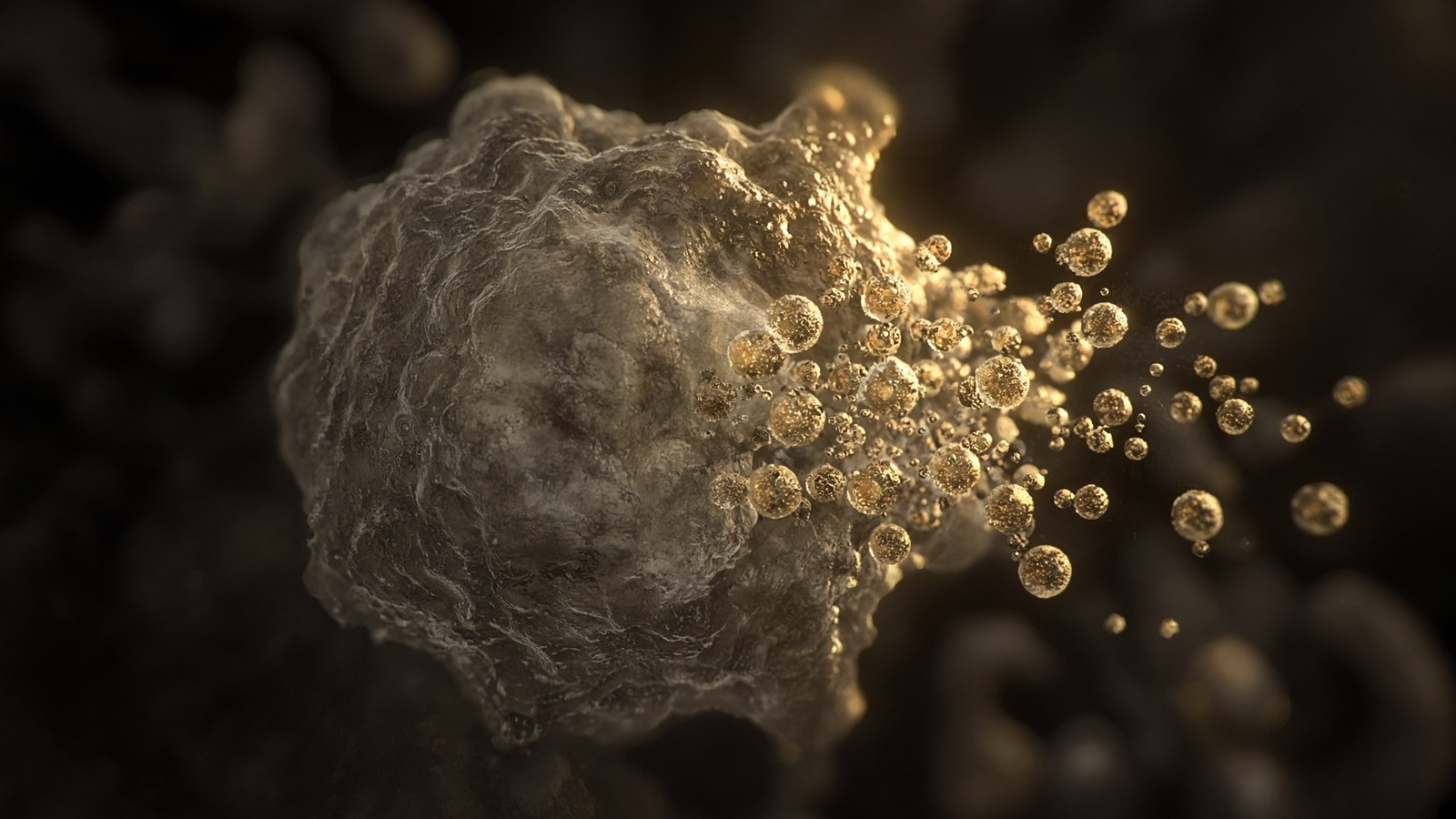
Focus, stress tone and the Semax / Selank pair
Semax is an ACTH fragment analogue studied for BDNF. Selank is a tuftsin analogue studied for GABA and enkephalin tone. They share a tail and a country, not a receptor. One vial, two paper trails — not a nootropic, not an anxiolytic.
41 min · long read · Peptide research
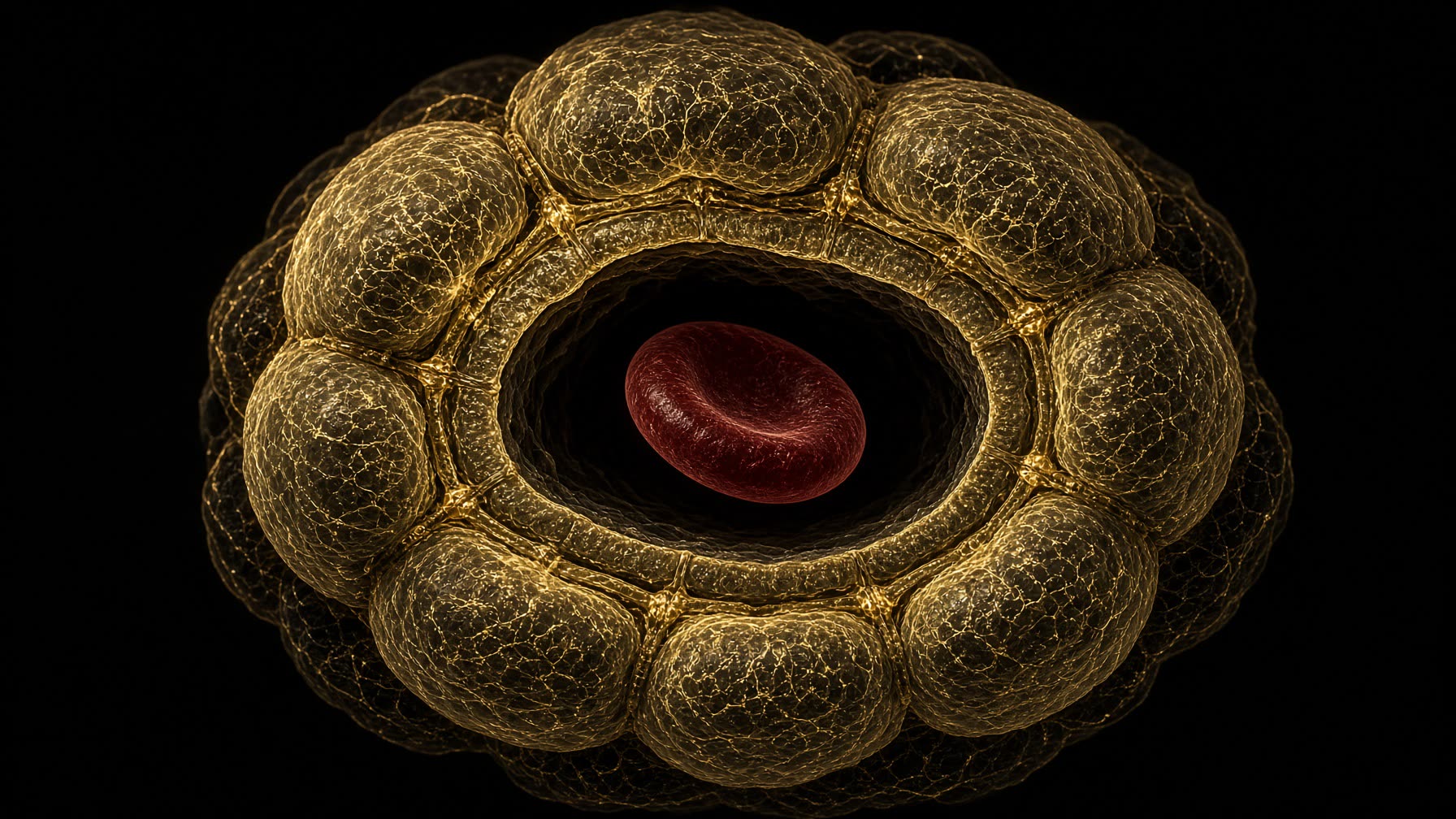
CJC-1295 without DAC: a GHRH analogue that still pulses
Modified GRF(1–29) with four substitutions that dodge DPP-IV, and deliberately without the Drug Affinity Complex that would glue it to albumin for a week. The design constraint is physiology.
34 min · long read · Peptide research
The blood-brain barrier: why a dish is not a brain
Brain capillaries are sealed by claudin-5, wrapped by astrocyte endfeet, and pumped by P-glycoprotein. A plastic dish is not that wall. Semax and Selank have papers; DSIP has a finding story. None of that is a measured ticket from blood into brain interstitial fluid.
Frontier biology
Woolly mammoths and woolly mice in Texas, dire wolves, xenobots, tardigrades, AlphaFold, organoids, axolotls, Neanderthal DNA. Published work, written as science.
17 essays · 17 long
51 min · long read · Frontier biology
Tardigrades taught a human protein how to ignore radiation
Dsup, a disordered DNA-binding protein from a water bear, protects cultured human cells from X-rays. The animal that dries to a tun and lives through vacuum brought a transferable shield.
50 min · long read · Frontier biology
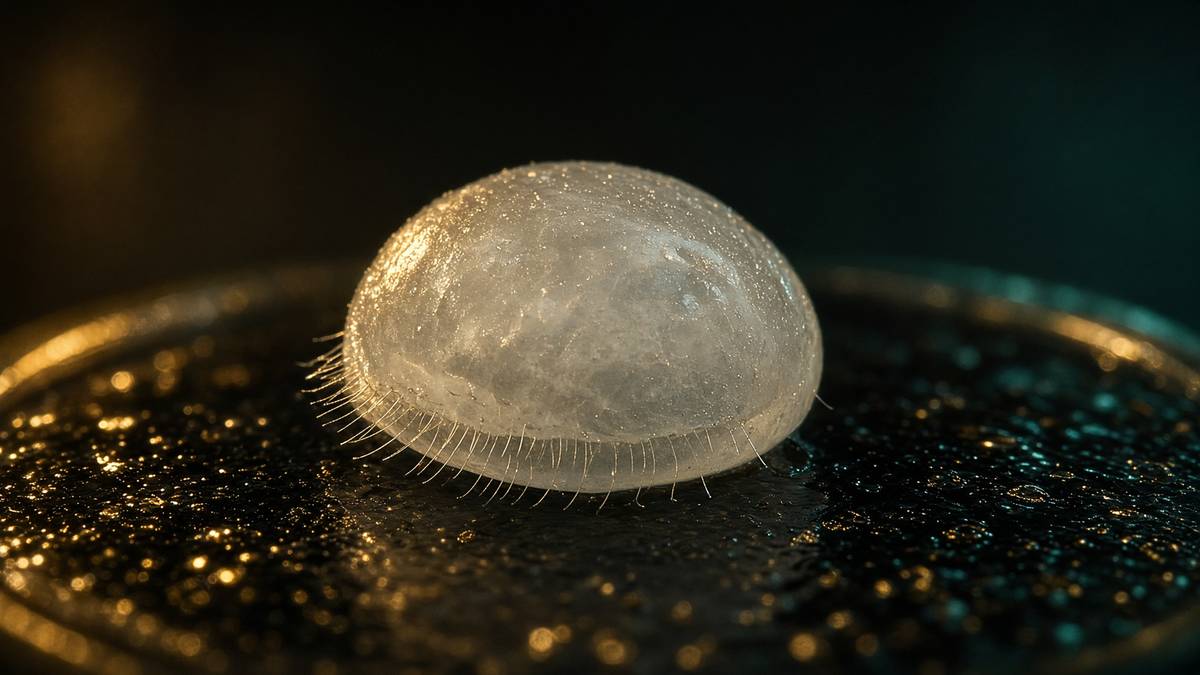
Xenobots: frog cells that became a new kind of machine
No genome was rewritten. Skin and heart cells from Xenopus were sculpted — first by hand, then by an evolutionary algorithm — into millimetre-scale organisms that walk, heal, and assemble copies of themselves.
50 min · long read · Frontier biology
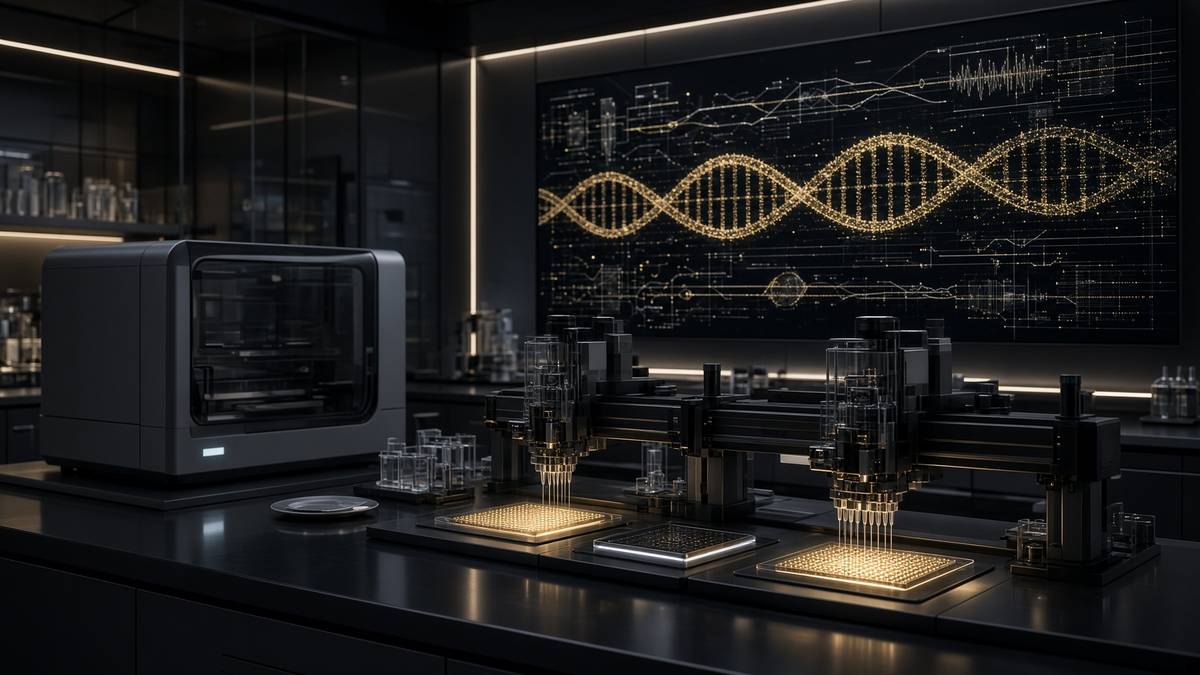
We can rewrite a genome the way a word processor rewrites a sentence
CRISPR cut DNA. Base editors change one letter without a double-strand break. Prime editors write arbitrary edits from an RNA template. The machinery is no longer hypothetical.
49 min · long read · Frontier biology
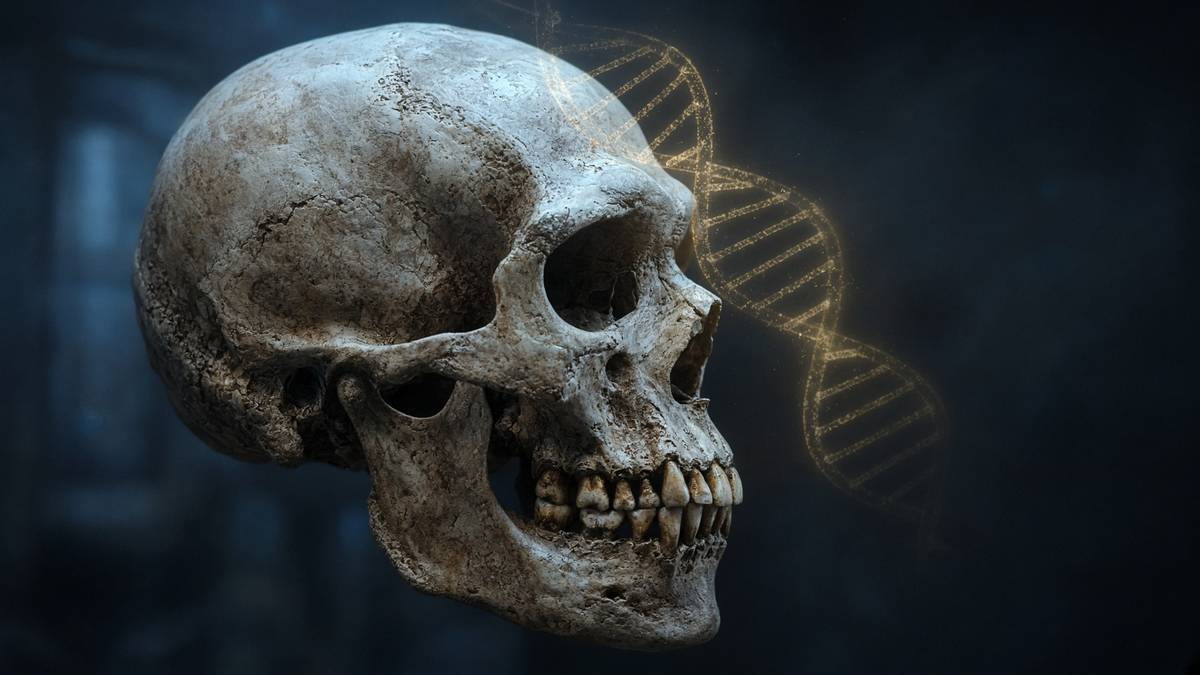
We have the Neanderthal genome. Some of it is still in you.
Svante Pääbo pulled a genome out of bone powder, won the 2022 Nobel, and found that most people outside Africa carry a percent or two of an extinct human. Palaeogenomics is not only mammoths.
49 min · long read · Frontier biology
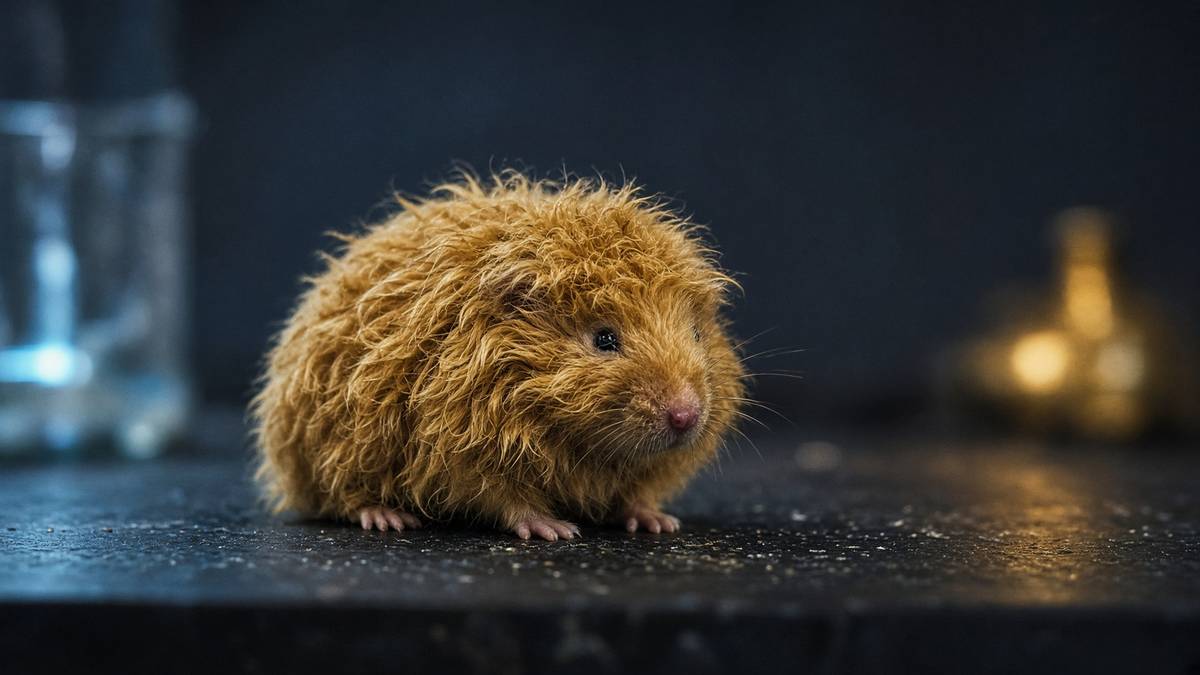
The woolly mouse is the mammoth’s twenty-day dress rehearsal
Colossal edited seven coat-and-metabolism genes into laboratory mice and got golden, shaggy, cold-curious animals. Elephant gestation is 22 months. A mouse tells you in three weeks whether the edit was worth the wait.
48 min · long read · Frontier biology
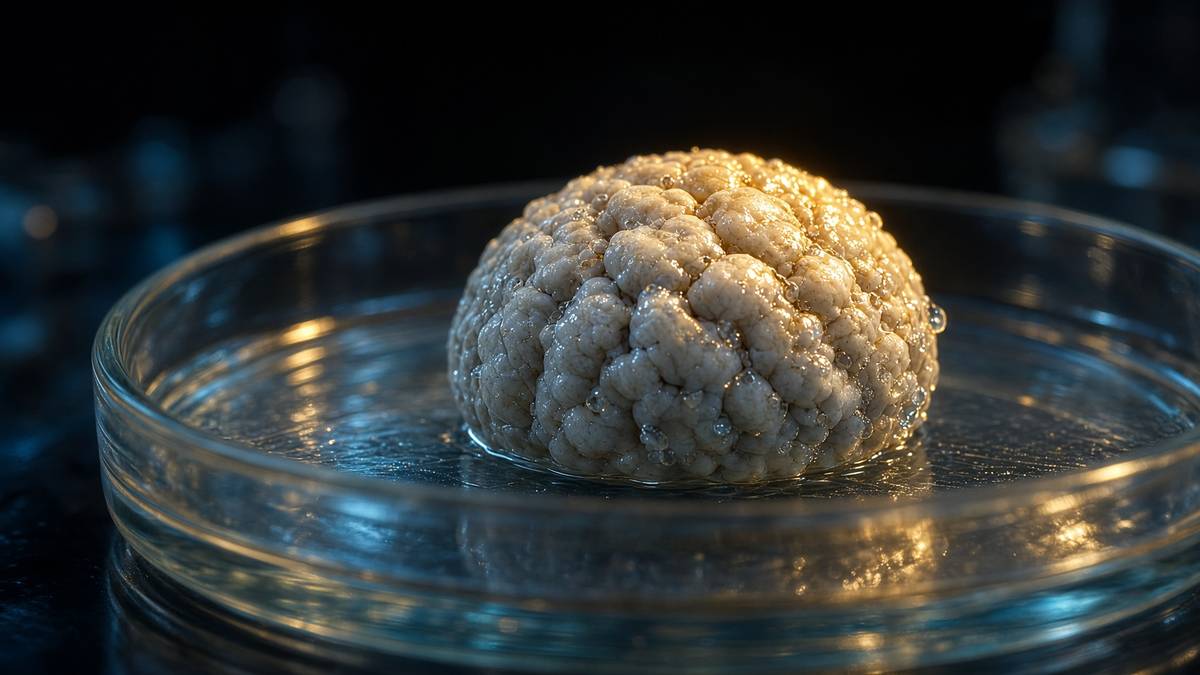
Brain organoids: a cortex the size of a lentil
Stem cells, left to their own patterning, build layered neural tissue in a dish. They are not minds. They are the most honest model of human development we have ever had.
48 min · long read · Frontier biology
CRISPR is no longer a paper. It is a medicine.
In 2023 the UK and then the US licensed exagamglogene autotemcel — Casgevy — the first CRISPR-based therapy. Sickle-cell and β-thalassaemia patients had their own stem cells rewritten at BCL11A. The sci-fi crossed the pharmacy counter.
48 min · long read · Frontier biology
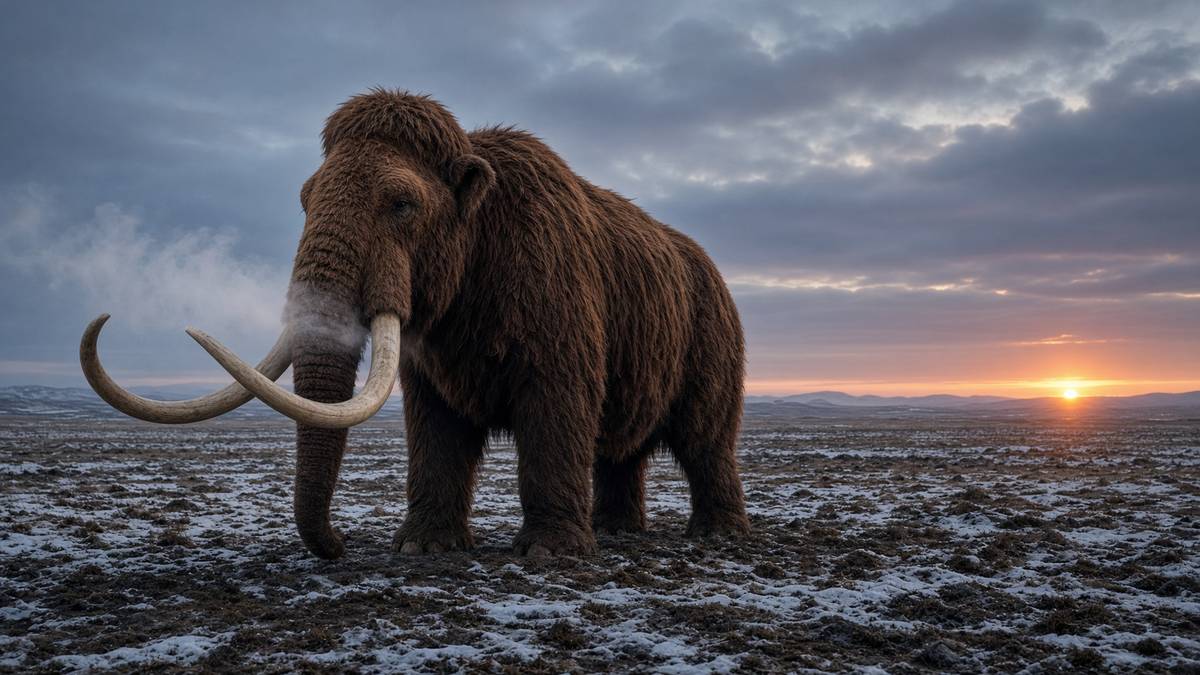
The mammoth is being rewritten in Texas
Inside Colossal Biosciences’ Dallas headquarters, Asian elephant cells are taking on the genes of a 4,000-year-old ghost. The target is a calf around 2028. This is not a film treatment.
47 min · long read · Frontier biology
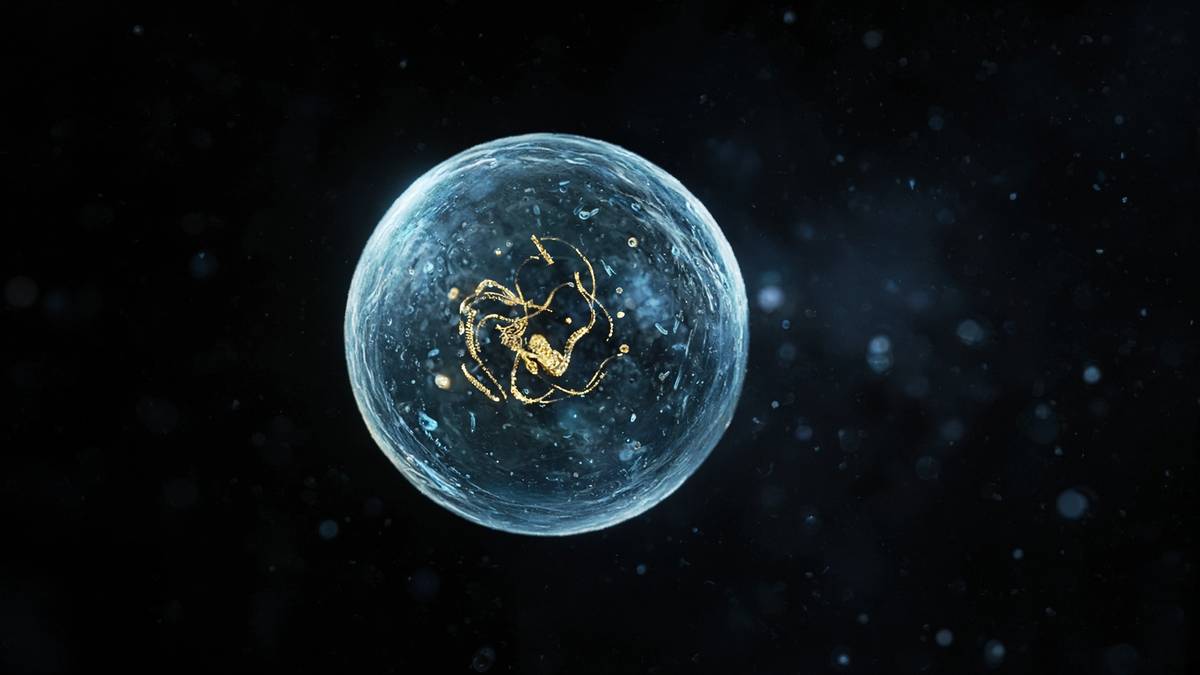
The smallest genome that still counts as alive
JCVI-syn3.0 has 473 genes. That is enough to make a cell that grows. It is also a map of what life cannot do without — and a chassis waiting for modules.
47 min · long read · Frontier biology
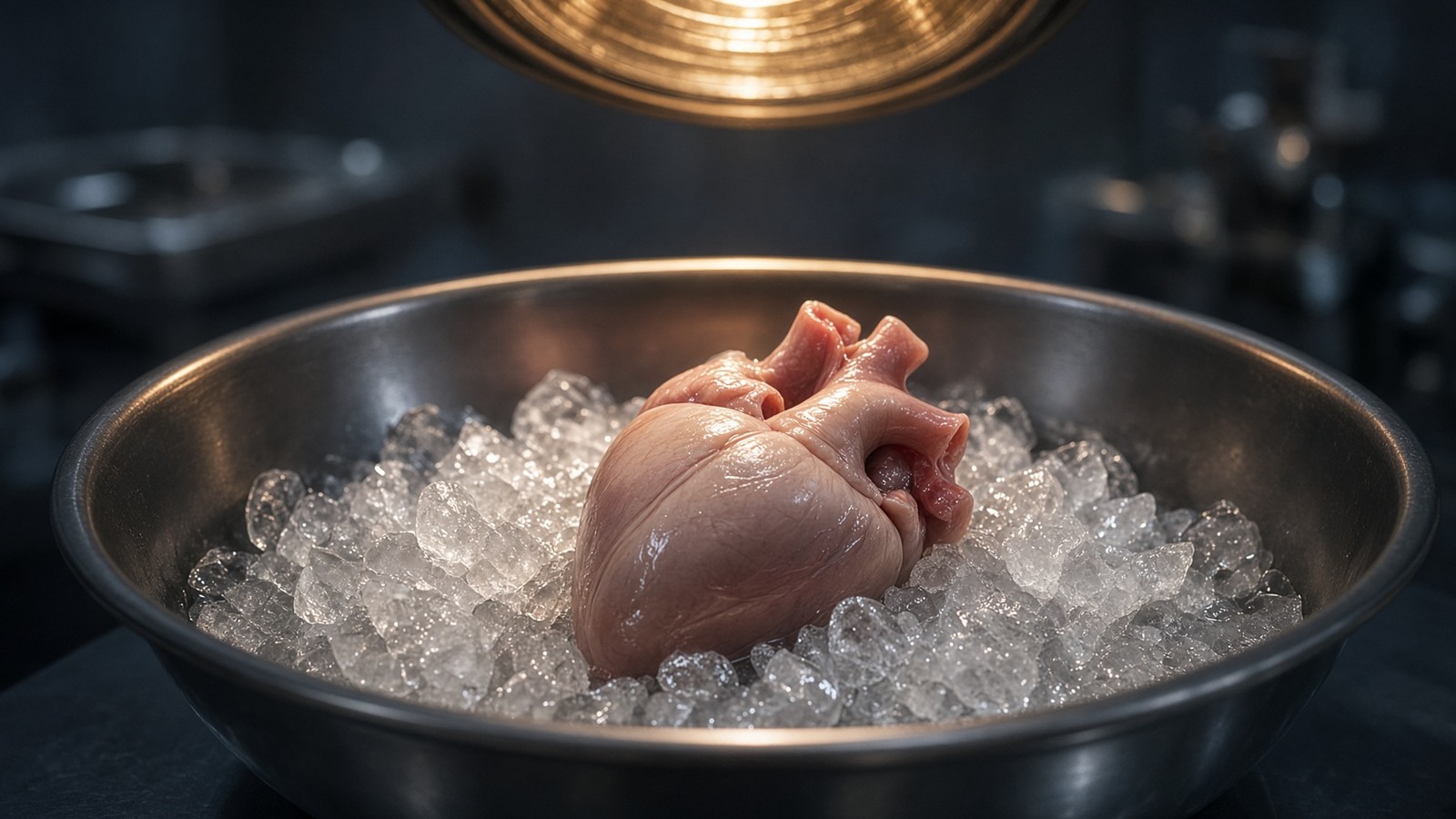
CRISPR pigs, and the first gene-edited organs in people
Knock out the sugar that human antibodies attack, knock out porcine retroviruses, add human complement regulators — then sew a pig heart into a man. That sentence has already been true, more than once.
47 min · long read · Frontier biology
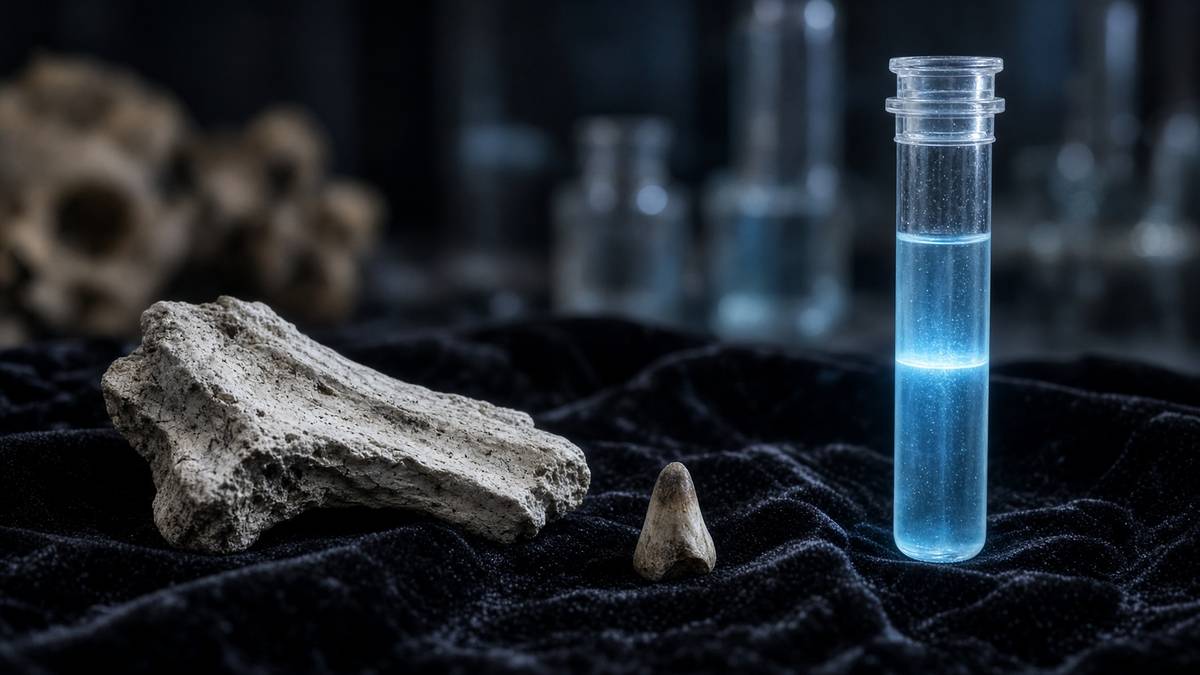
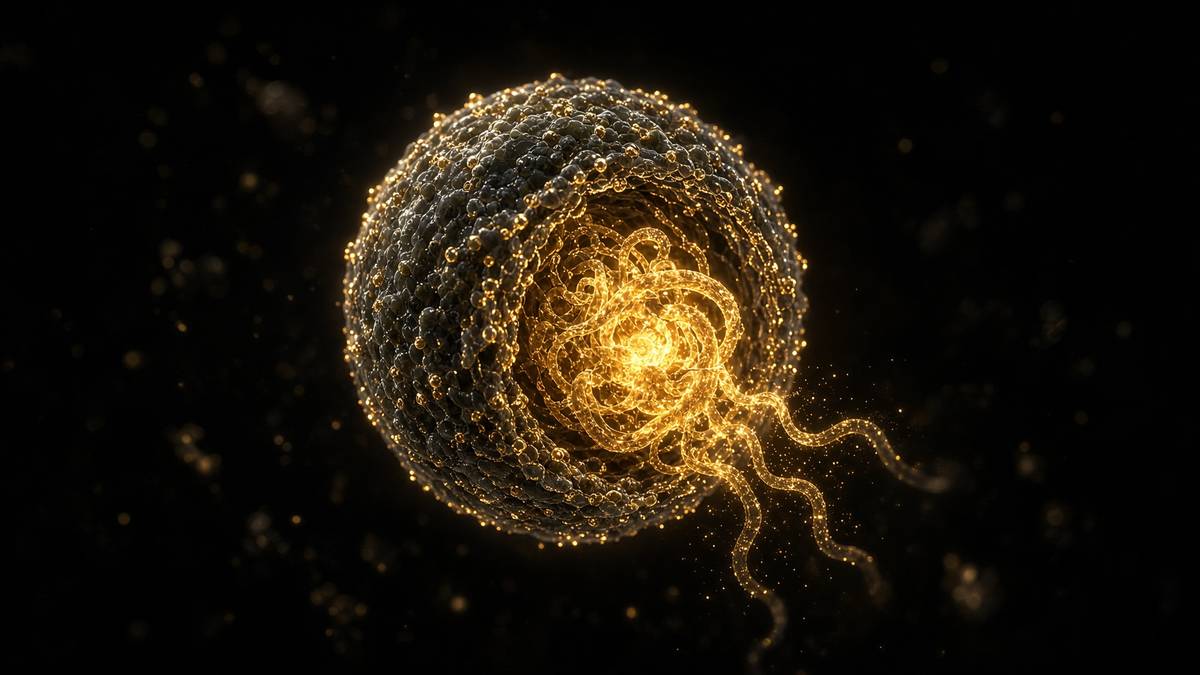
How a frozen tooth becomes a working gene
Palaeogenomics turned dirt, bone and dental calculus into genomes. De-extinction is downstream of that quieter revolution.
46 min · long read · Frontier biology
mRNA was not a pandemic trick. It is a platform.
A lipid nanoparticle, a codon-optimised message, a few days of protein. Vaccines proved it in billions of arms. The pipeline behind them is oncology, rare disease, and in vivo gene writing.

46 min · long read · Frontier biology
The passenger pigeon was a forest process. Someone is rebuilding the bird.
Martha died in 1914. Billions had darkened American skies. Revive & Restore is editing the band-tailed pigeon toward Ectopistes migratorius — not as a museum skin, as an ecological flood.
46 min · long read · Frontier biology
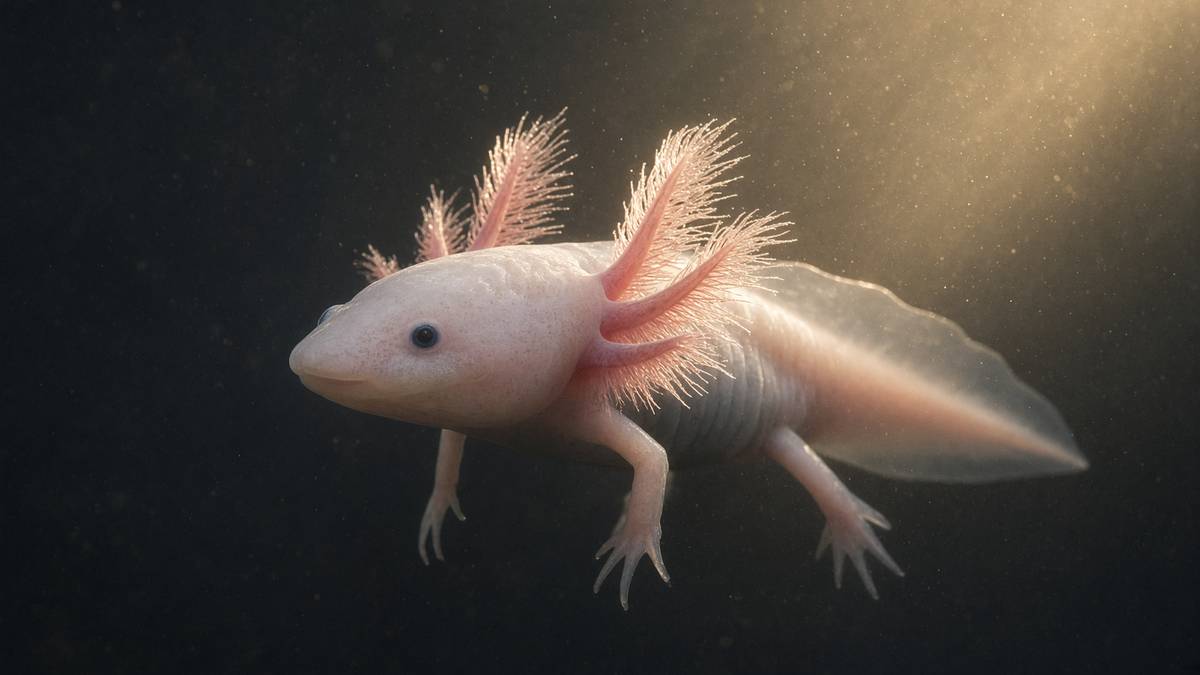
The axolotl does not scar. It rebuilds the limb.
A salamander with a 32-gigabase genome can amputate a leg and grow a perfect one back — bone, muscle, nerve, skin. The blastema is the most interesting factory in vertebrate biology.
46 min · long read · Frontier biology
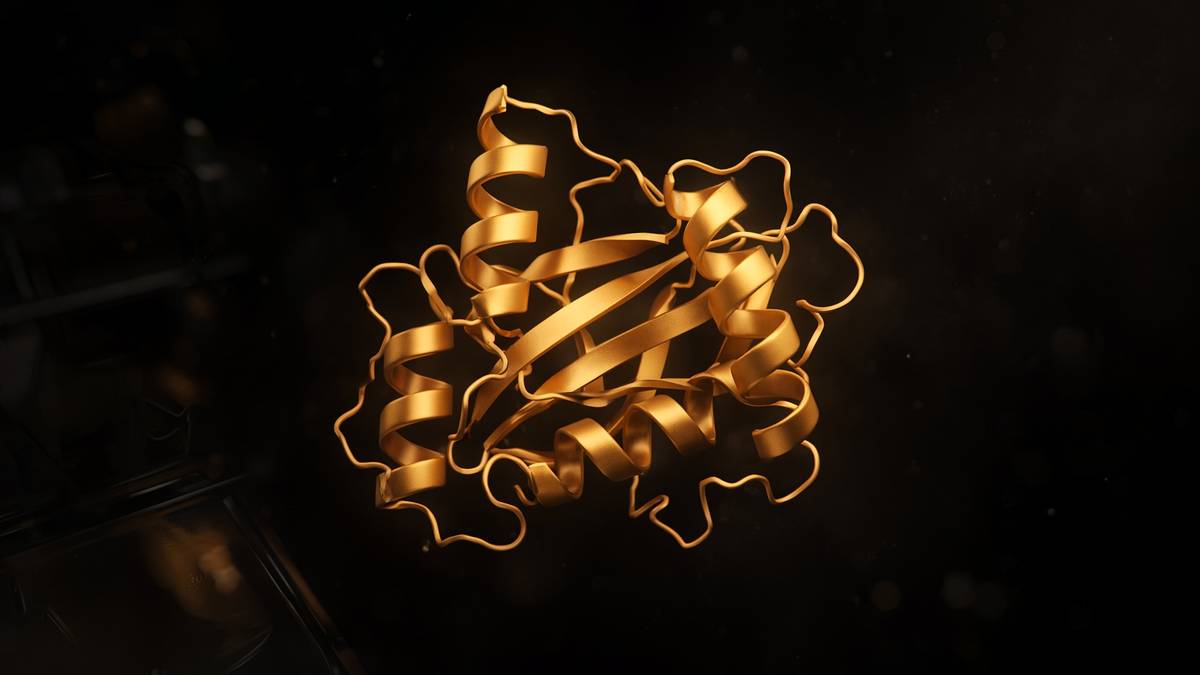
AlphaFold solved the protein-folding problem and then won a Nobel
Fifty years of physical chemistry, then a neural net. Hassabis, Jumper and Baker shared the 2024 chemistry prize. Every peptide in we now has a predicted structure you can actually look at.

46 min · long read · Frontier biology
Romulus, Remus and the argument over a dire wolf
Three pups born from grey-wolf cells edited with Ice Age DNA became the most famous animals of 2025. They are also the most disputed.
44 min · long read · Frontier biology
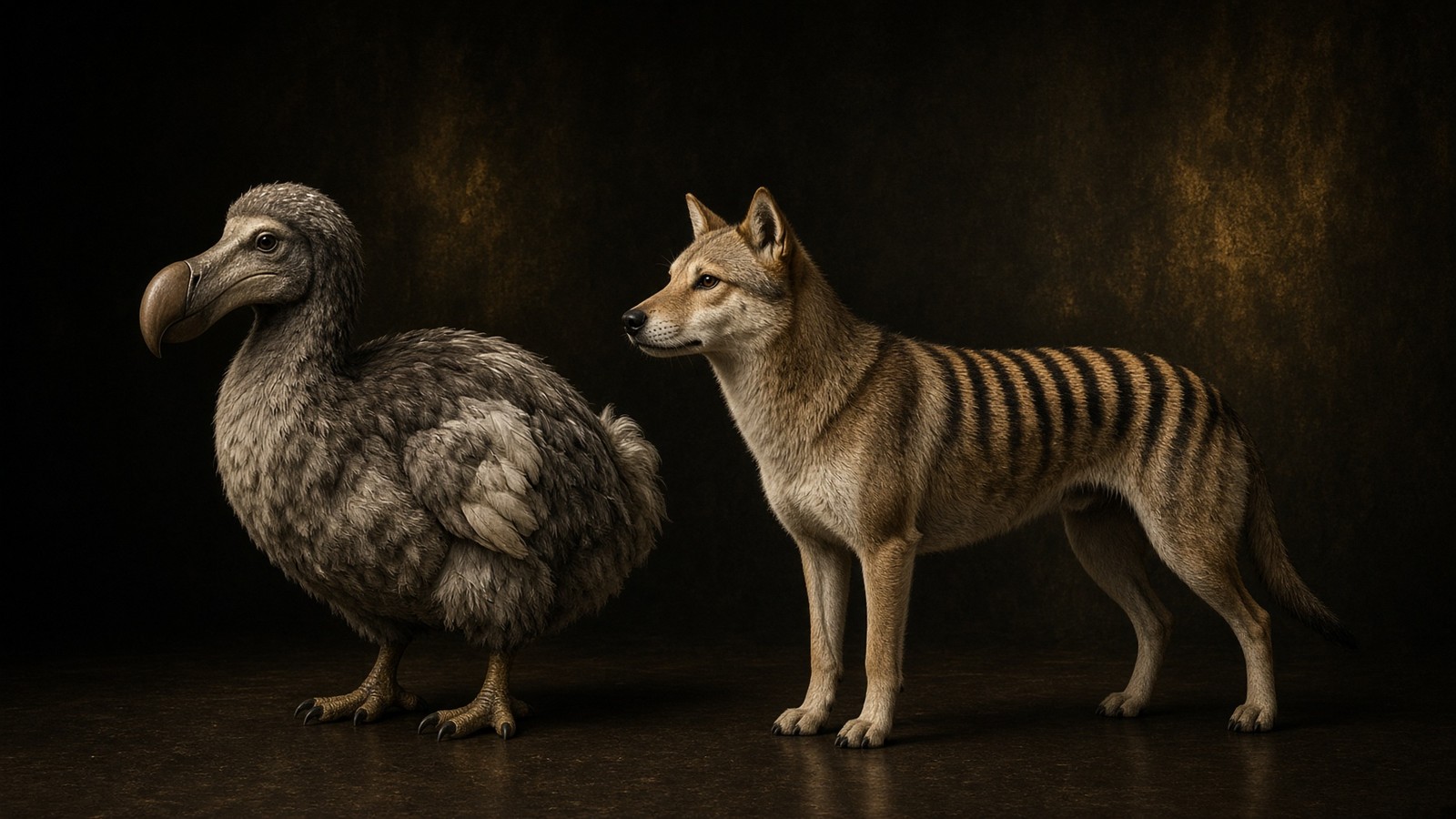
The dodo and the thylacine are in the same queue as the mammoth
Colossal’s pipeline is not one animal. After dire wolves and a mammoth timeline: a Mauritius bird rebuilt from a Nicobar pigeon, and a Tasmanian tiger rebuilt from a fat-tailed dunnart.
Metabolism
How diets actually work, when they do. Carnivore, ketones, fasting, sleep, liver fat, blood sugar, type 2 diabetes, protein, mitochondria — and brown fat as a heater.
13 essays · 13 long
51 min · long read · Metabolism
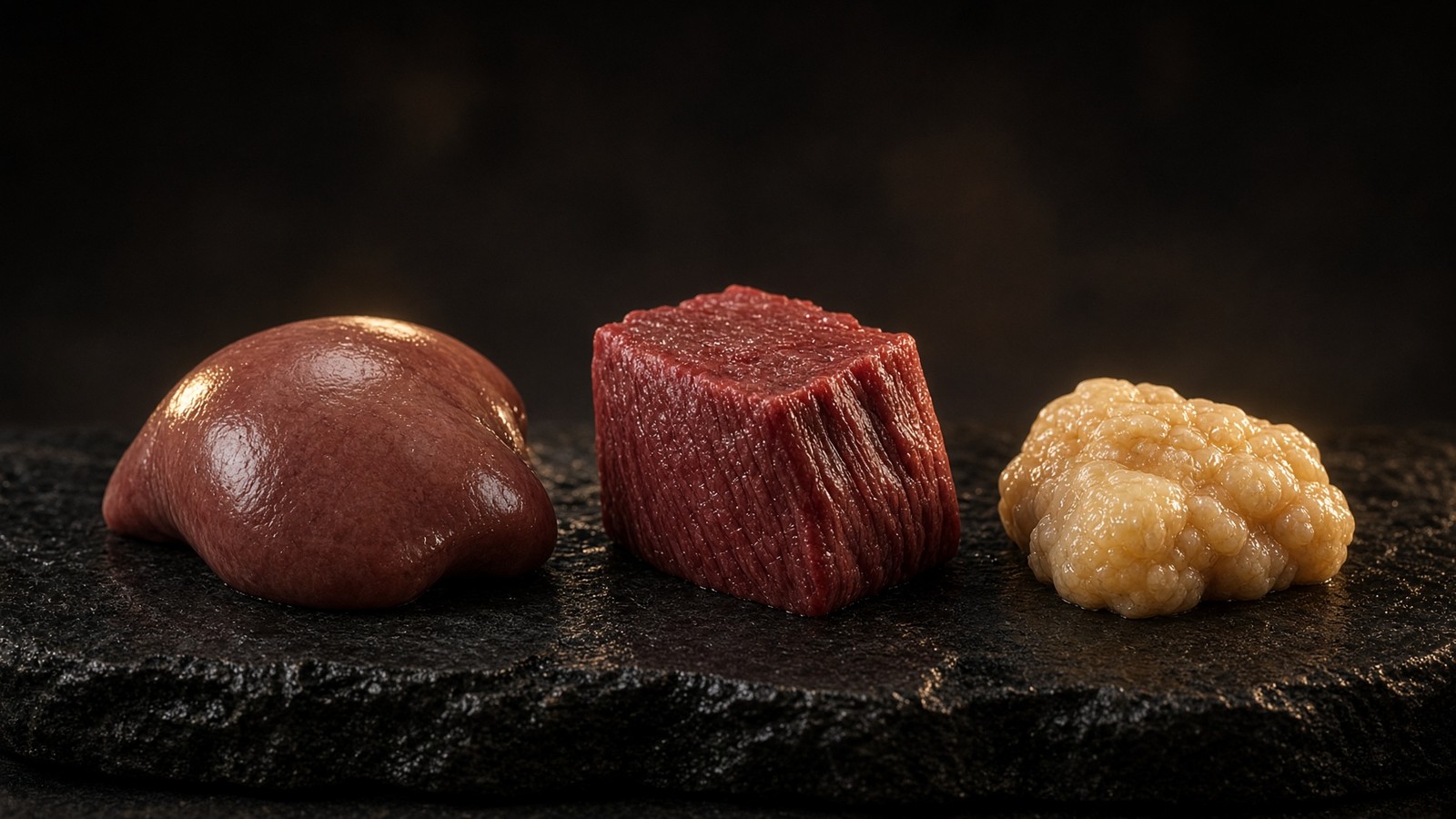
Reversing type 2 diabetes is a published result, not a slogan
The DiRECT trial put type 2 diabetes into remission by emptying the liver and pancreas of surplus fat. Very-low-calorie and very-low-carbohydrate programmes can both get you there. The mechanism isn't mystical.
51 min · long read · Metabolism
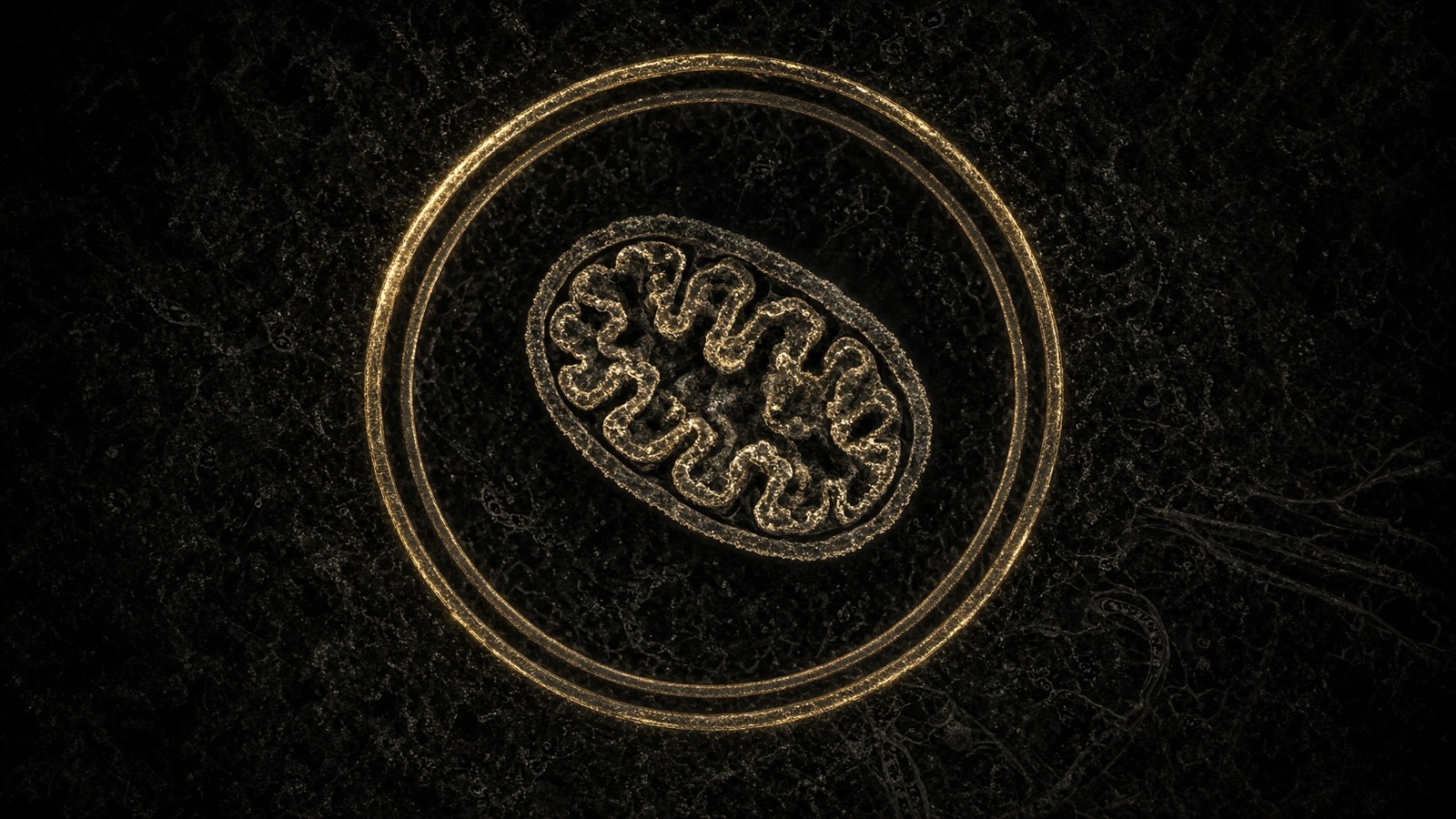
Human metabolism, without the slogan
Calories are bookkeeping. The actual system is a set of hormonally gated fluxes through glycogen, fat and amino acids — with the liver as air-traffic control.
50 min · long read · Metabolism
Fasting, autophagy and the mTOR switch
Eat, and mTOR builds. Fast, and AMPK and ULK1 start recycling the cell. The molecular story is a switch, not a personality.
49 min · long read · Metabolism
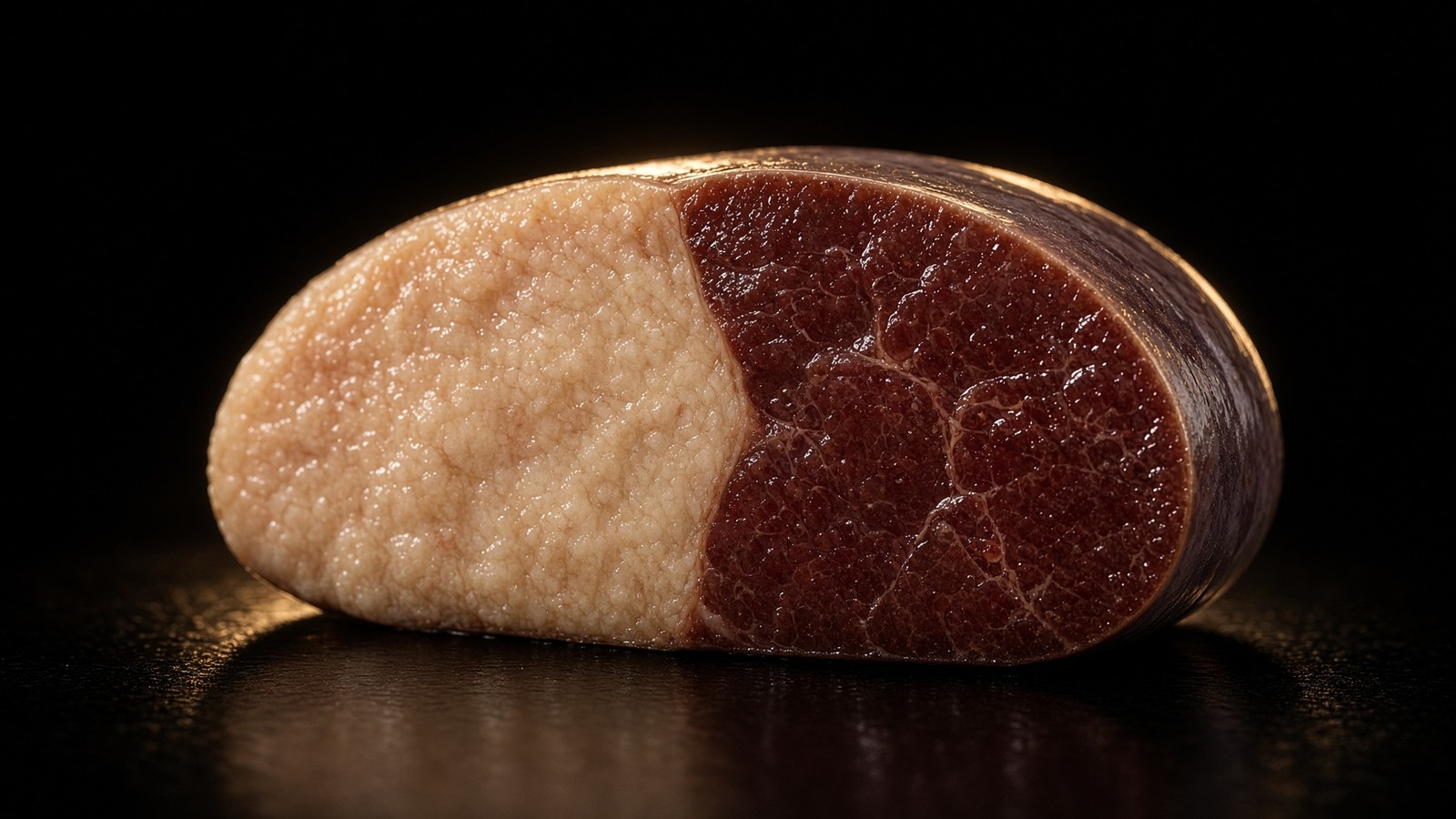
Liver fat is the variable type 2 diabetes actually cares about
Ectopic fat in the liver overproduces glucose and VLDL. Empty it — by energy deficit, by carbohydrate restriction, or by both — and first-phase insulin can return. That is the twin-cycle in working clothes.
49 min · long read · Metabolism
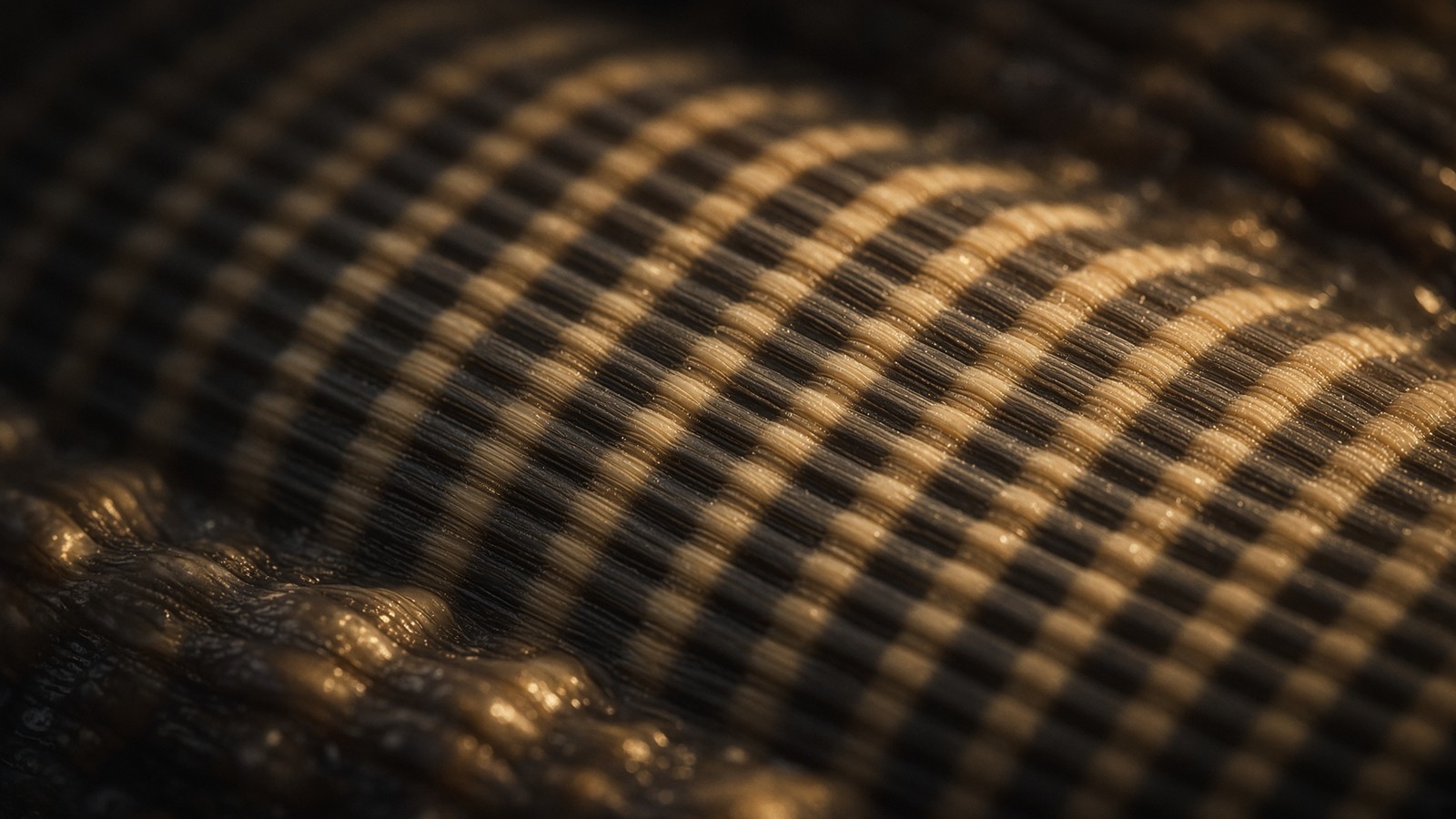
Protein, training and muscle protein synthesis
Muscle isn't a mood. It is mechanical tension plus a leucine-gated translational programme. Here is the dose, the threshold, and why the gym still has to happen.
49 min · long read · Metabolism
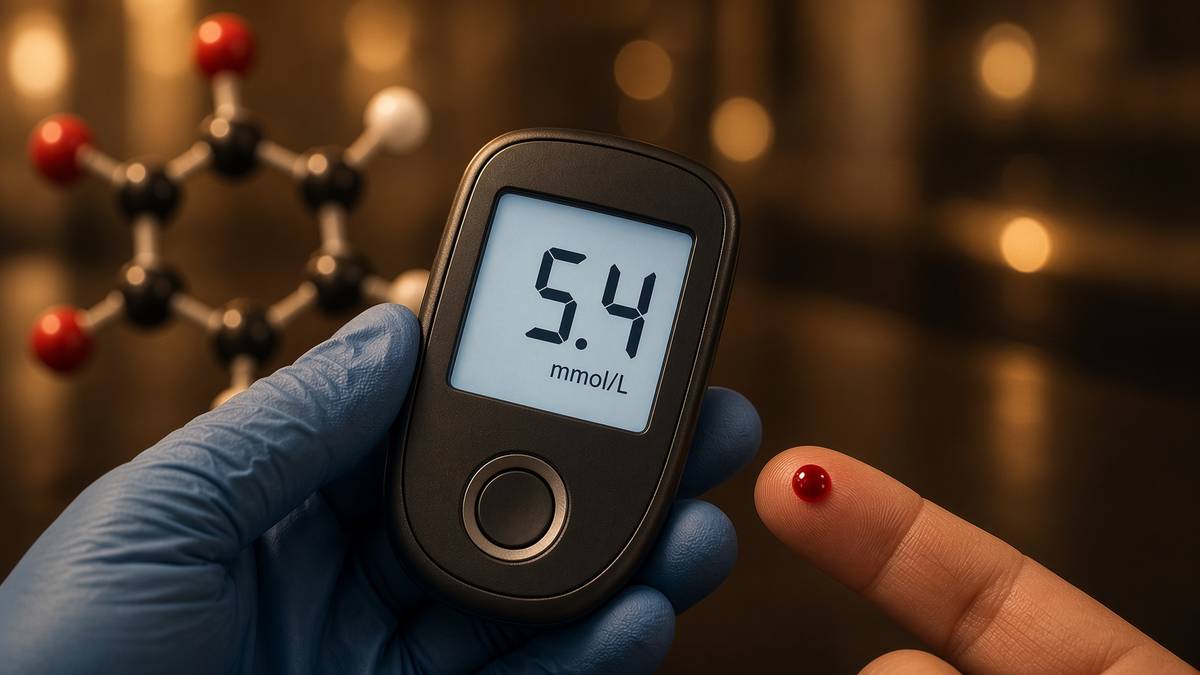
Regulating blood sugar: the control system
Glucose is a tightly bound variable. Here is the hardware — pancreas, liver, muscle, incretins — and the places it fails.
48 min · long read · Metabolism
When insulin falls, the kidney dumps sodium. That is the ‘keto flu’.
Insulin tells the kidney to hold salt. Carbohydrate restriction drops insulin, you diurese, and magnesium and potassium follow. The headache was not a test of character.
48 min · long read · Metabolism
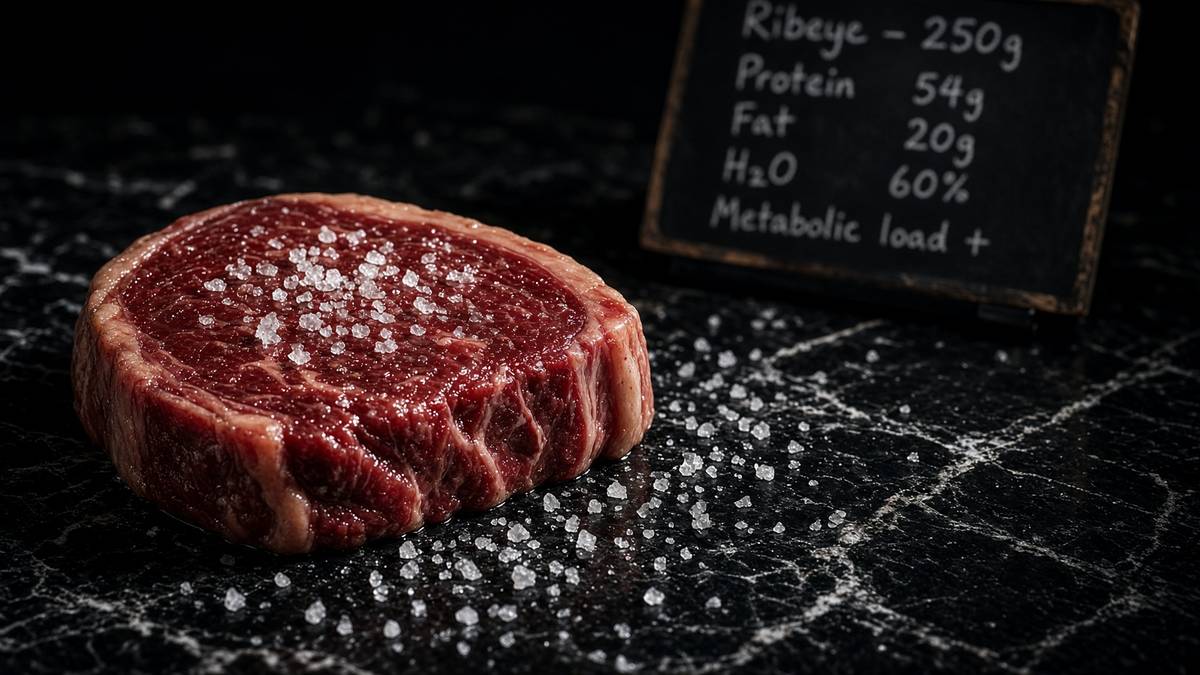
How a carnivore diet actually works
Eliminate plants, eat animals. The interesting part is not the internet. It is ketosis, gluconeogenesis, electrolytes and what happens to a microbiome when fibre hits zero.
47 min · long read · Metabolism
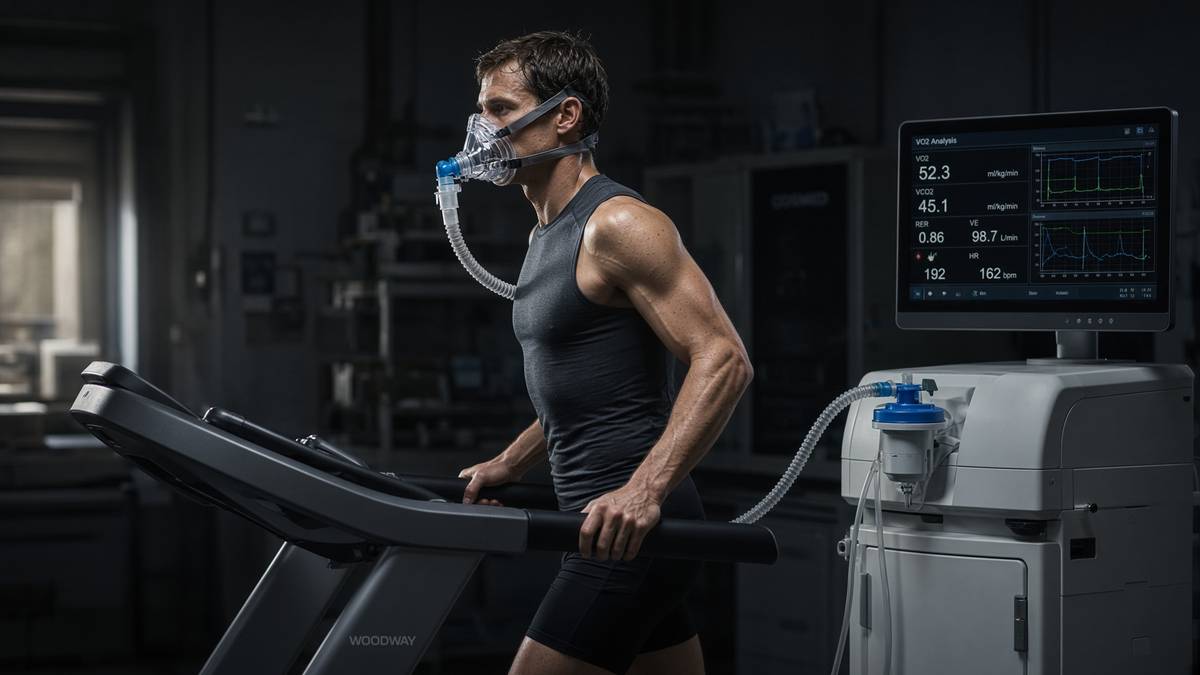
Mitochondria, VO2 and why training still wins
Endurance work builds the engines. Heavy work builds the chassis. The molecular story is AMPK, PGC-1α, calcium and mTOR — not a shopping list.

46 min · long read · Metabolism
Sleep is a glucose drug you cannot buy
Spiegel, Leproult and Van Cauter restricted healthy people to four hours a night. Next-day glucose tolerance looked like a milder type 2. Cortisol, GH pulses and the hepatic clock are why. The bread did not change.
45 min · long read · Metabolism
Ketones are a fuel. They're also a signal.
β-hydroxybutyrate isn't just what you burn when glycogen runs low. It is an HDAC inhibitor, an NLRP3 dampener, and a message to the brain that the house is running on fat.
45 min · long read · Metabolism
How diets actually work
Calories are conservation of energy. Hormones are the routing table. Palatability is why the routing table keeps getting overwritten. Every named diet is a way of leaning on one of those three.
39 min · long read · Metabolism
Brown fat, UCP1, and heat as a decision
Brown adipose tissue is a heater with a named protein, UCP1, that spends the mitochondrial proton gradient as warmth instead of ATP. Adults have some; PET-CT found it in 2009. Cannon and Nedergaard wrote the review. Occupancy at the glucagon receptor lives in that neighbourhood. It is not a brown-fat drug.
Clinic journal
NEOGEN plasma, sponge spicules, Dermalux photobiomodulation, in-clinic NAD+. Physics and papers. eLIVEate books the diary; we take no commission.
5 essays · 5 long
50 min · long read · Clinic
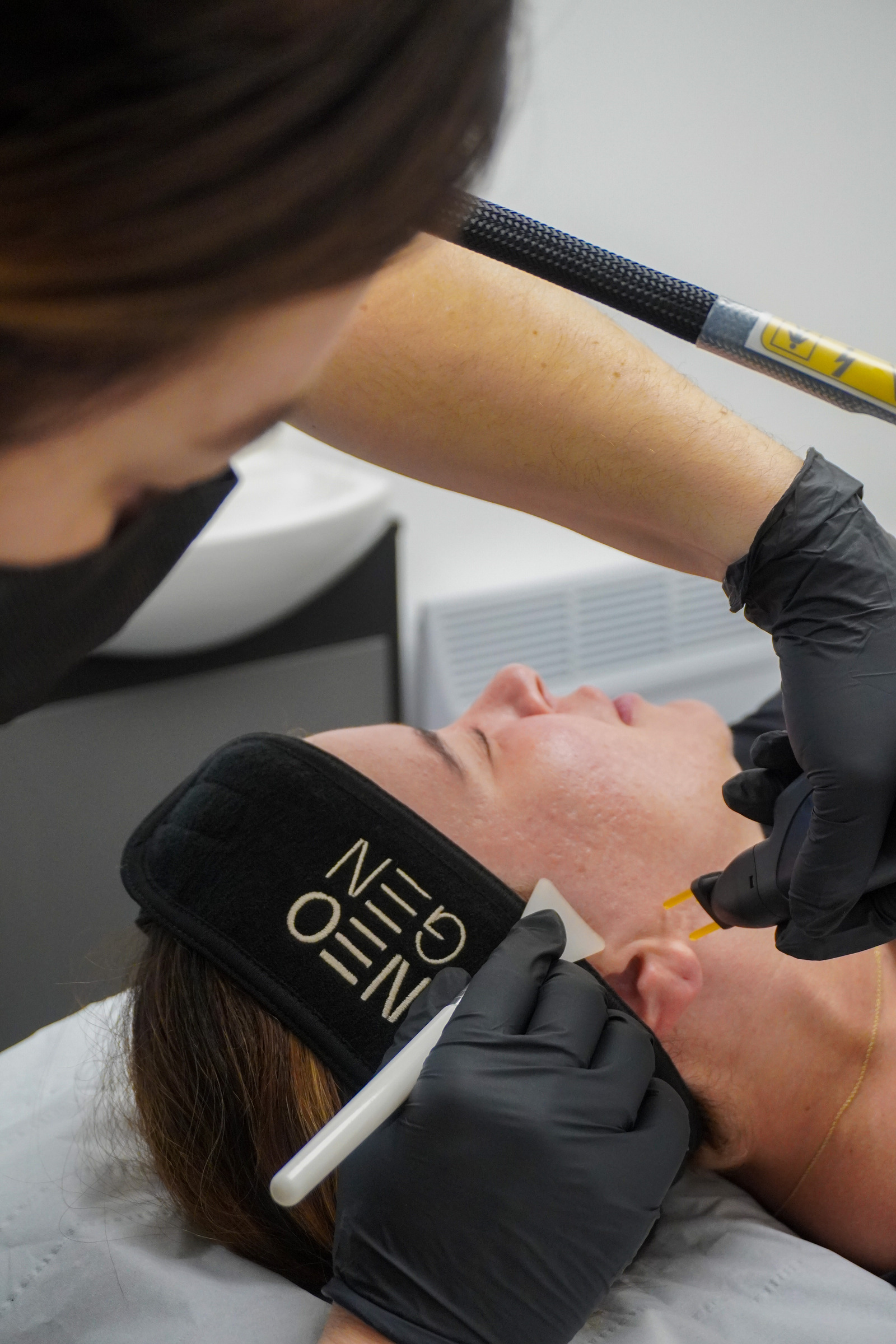
CELL STORY liquid microneedling: 50,000 Microspears, no needle gun
CELL STORY at eLIVEate Me in Great Missenden. Sponge Microspears open transient channels, stimulate collagen, and shed in 72 hours — microneedling without a gun.
49 min · long read · Clinic
Peptides and aesthetic procedures: a map, not a protocol
NEOGEN, CELL STORY, Dermalux and in-clinic NAD+ at eLIVEate Me — four procedures, four neighbouring peptide literatures. Read the map. It is not a bundle.

49 min · long read · Clinic
In-clinic NAD+ and the lyophilised research vial are not the same product
In-clinic NAD+ at eLIVEate Me (£200/month IM) is not Patriot’s 1000 mg lyophilised research vial. Same molecule class, different product, different till.
47 min · long read · Clinic
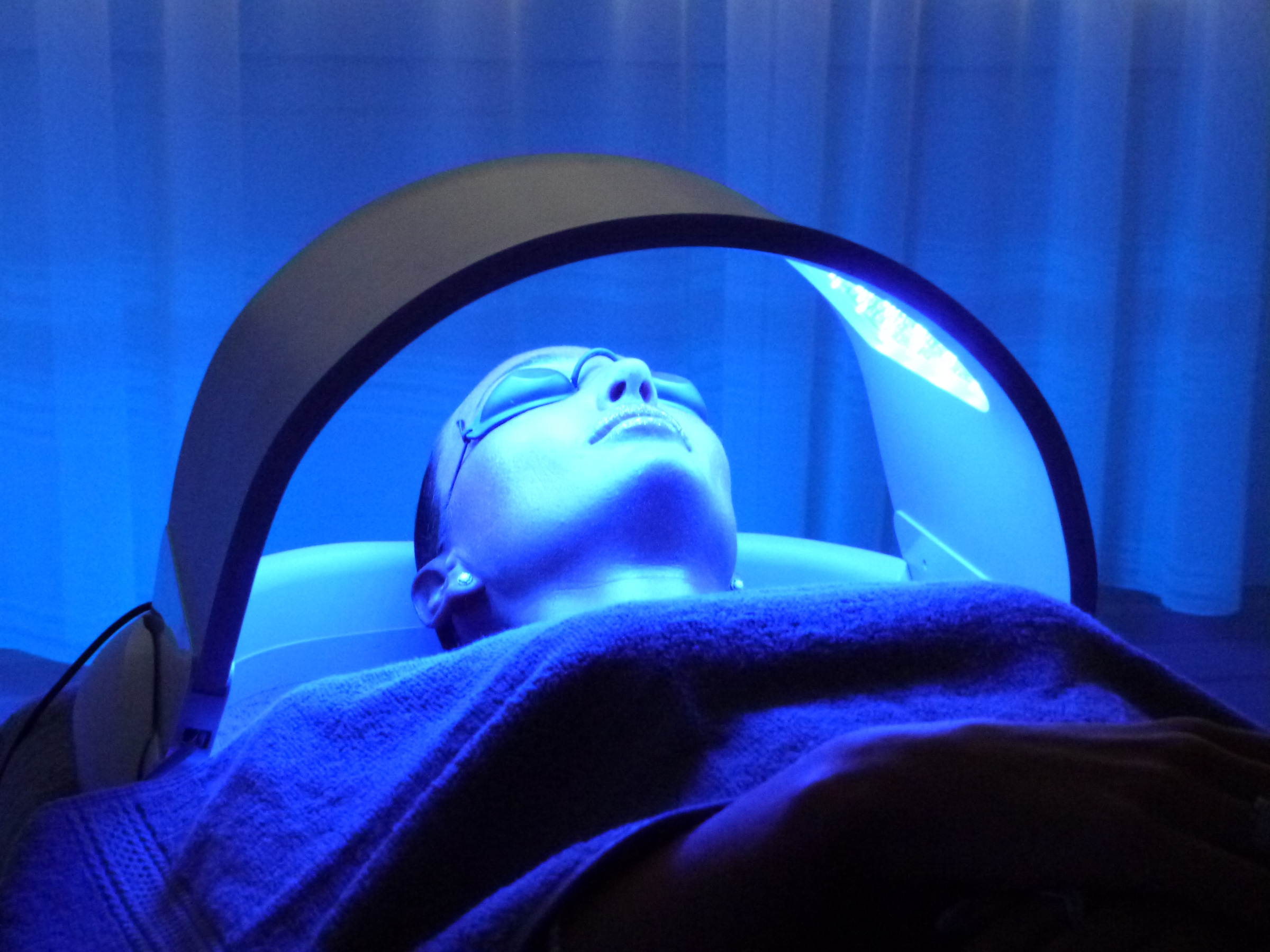
Dermalux LED phototherapy: light as a mitochondrial instruction
Dermalux LED in Buckinghamshire. Blue 415 nm hits acne bacteria; red 633 nm and near-infrared 830 nm talk to cytochrome c oxidase. A course of six is how repair accumulates.
45 min · long read · Clinic
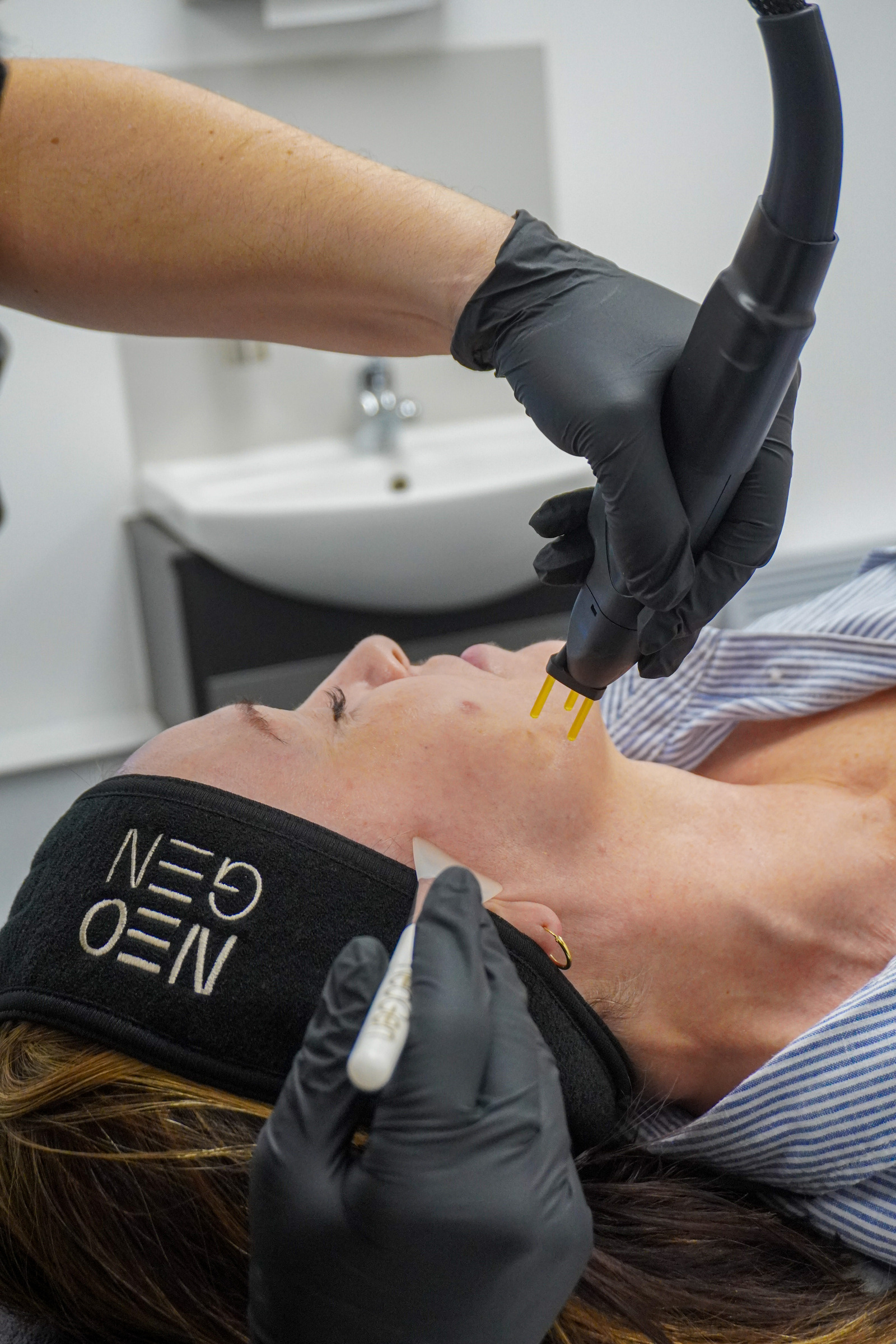
NEOGEN nitrogen plasma: what the energy actually does to skin
NEOGEN plasma at eLIVEate Me in Buckinghamshire. Nitrogen plasma denatures collagen without a laser chromophore. A course of three, then 90 days of rebuild.
Wellbeing
HIM REVIVE, HER REVIVE, HIM FERTILITY, HER FERTILITY. Food-supplement evidence on hormones, sperm and folate. TRT, HRT and a fertility clinic are a different building.
2 essays · 2 long
50 min · long read · Wellbeing
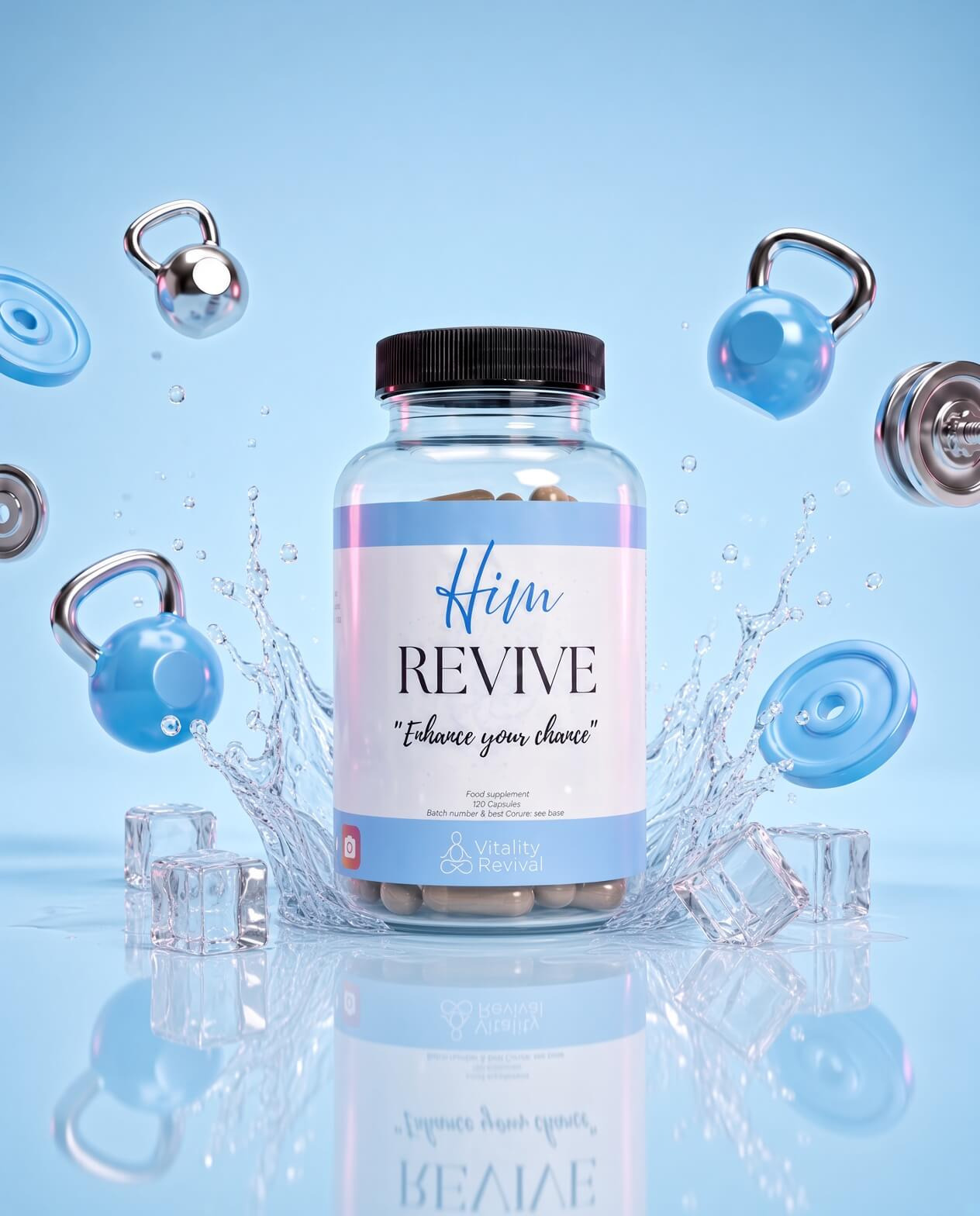
Food supplements and hormones: what the evidence actually supports
Ashwagandha, zinc, fenugreek and saffron have published, modest effects on hormones, stress and mood. HIM REVIVE and HER REVIVE are food supplements built around those ingredients — not TRT, not HRT.
47 min · long read · Wellbeing
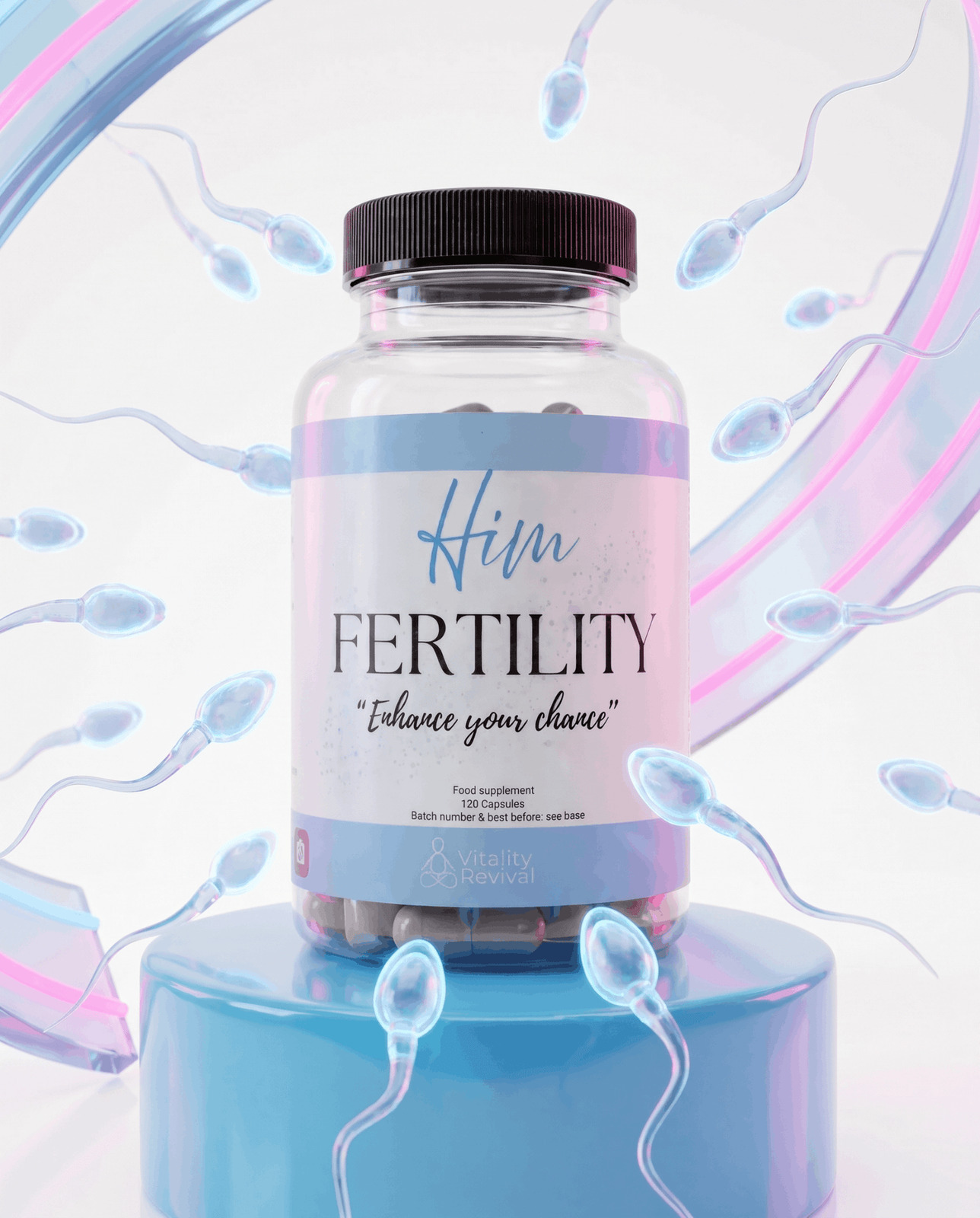
Ninety days: sperm, folate and what a preconception tub can actually do
A sperm cycle is 70–90 days. NHS folate advice is three months. HIM FERTILITY and HER FERTILITY are UK-made food supplements built around that clock — CoQ10, zinc, methylfolate, NAC — not a fertility treatment.
Every essay, A–Z
82 titles. Same list as search, without the pictures, so you can scan.