


Frontier biology
The sci-fi is happening in Texas.
Mammoth-like calves on a 2028 timeline. Woolly mice already born. Dire wolves in 2025. Living xenobots. A tardigrade protein that shields human DNA. AlphaFold’s Nobel. Organs from CRISPR pigs. All of it is true. We write it that way on purpose.
51 min · long read · Frontier biology
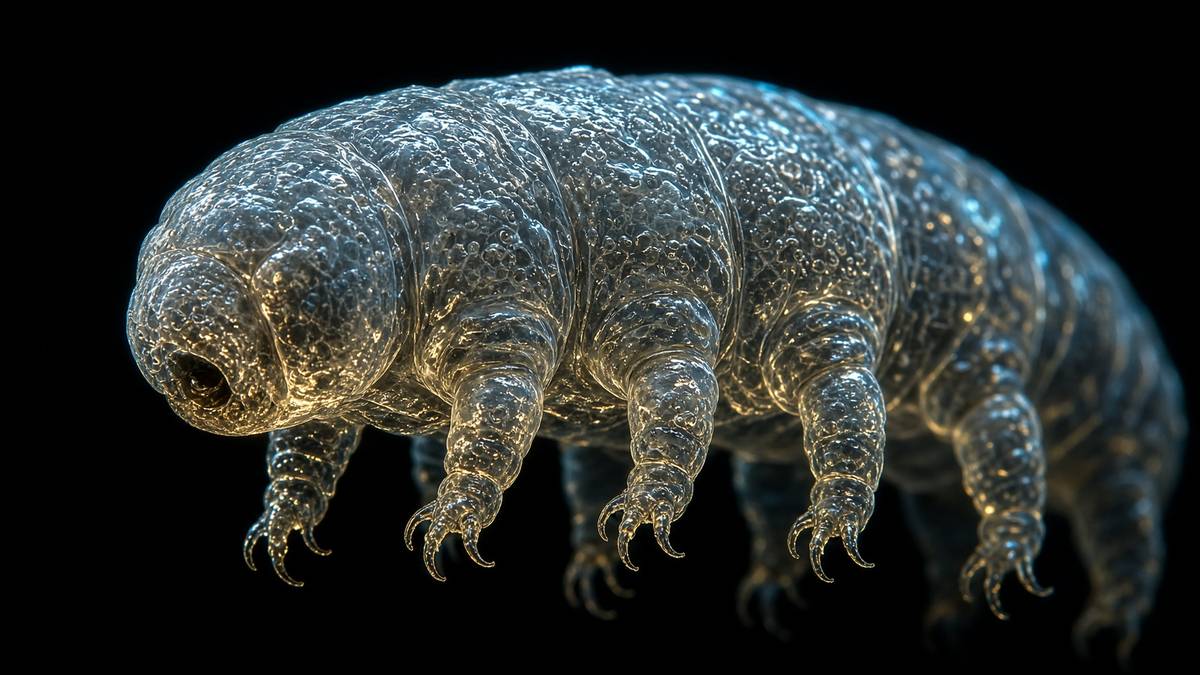
Tardigrades taught a human protein how to ignore radiation
Dsup, a disordered DNA-binding protein from a water bear, protects cultured human cells from X-rays. The animal that dries to a tun and lives through vacuum brought a transferable shield.
50 min · long read · Frontier biology
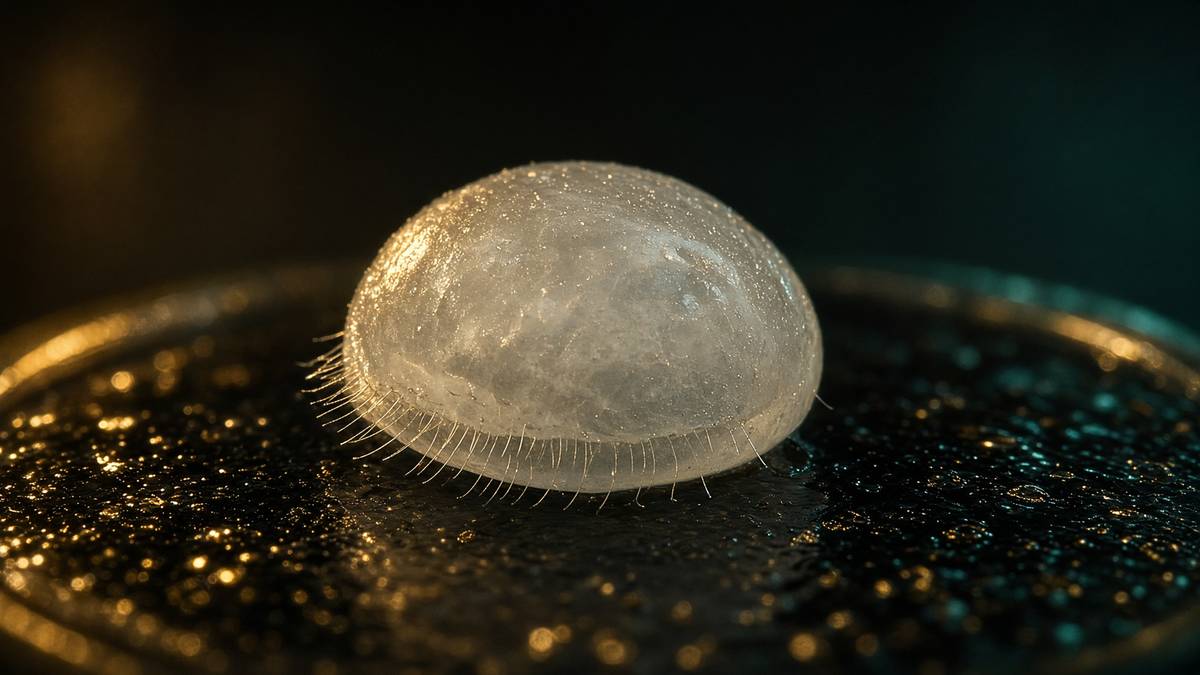
Xenobots: frog cells that became a new kind of machine
No genome was rewritten. Skin and heart cells from Xenopus were sculpted — first by hand, then by an evolutionary algorithm — into millimetre-scale organisms that walk, heal, and assemble copies of themselves.
50 min · long read · Frontier biology
We can rewrite a genome the way a word processor rewrites a sentence
CRISPR cut DNA. Base editors change one letter without a double-strand break. Prime editors write arbitrary edits from an RNA template. The machinery is no longer hypothetical.
49 min · long read · Frontier biology
We have the Neanderthal genome. Some of it is still in you.
Svante Pääbo pulled a genome out of bone powder, won the 2022 Nobel, and found that most people outside Africa carry a percent or two of an extinct human. Palaeogenomics is not only mammoths.
49 min · long read · Frontier biology
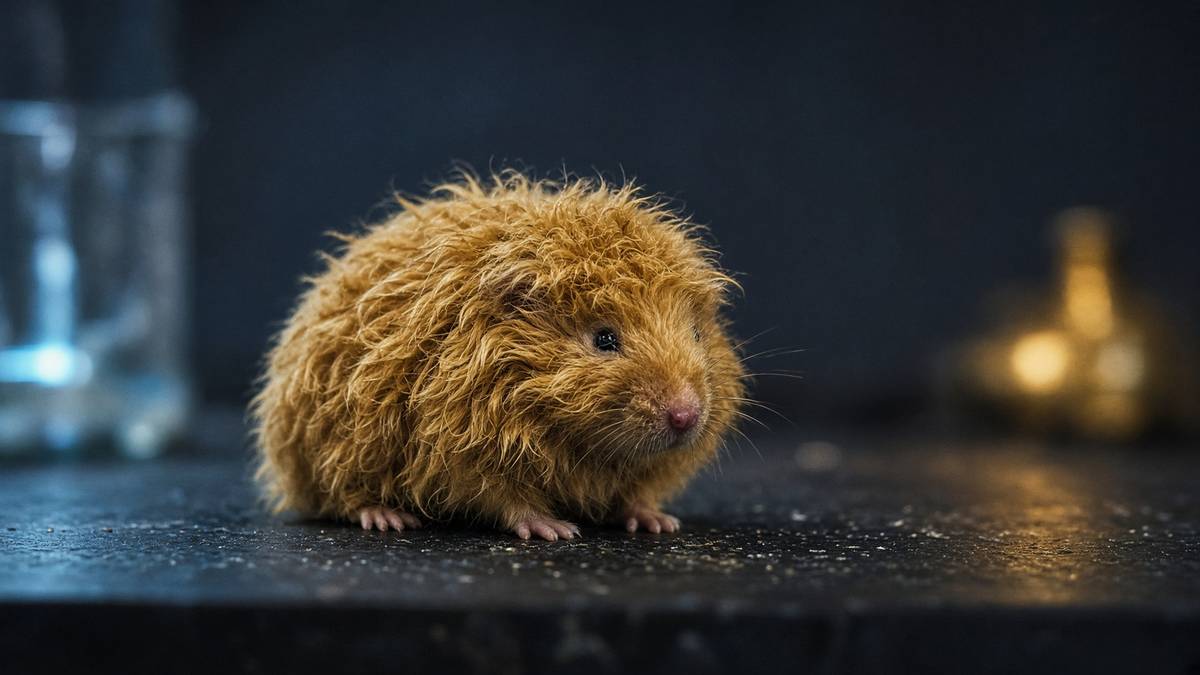
The woolly mouse is the mammoth’s twenty-day dress rehearsal
Colossal edited seven coat-and-metabolism genes into laboratory mice and got golden, shaggy, cold-curious animals. Elephant gestation is 22 months. A mouse tells you in three weeks whether the edit was worth the wait.
48 min · long read · Frontier biology
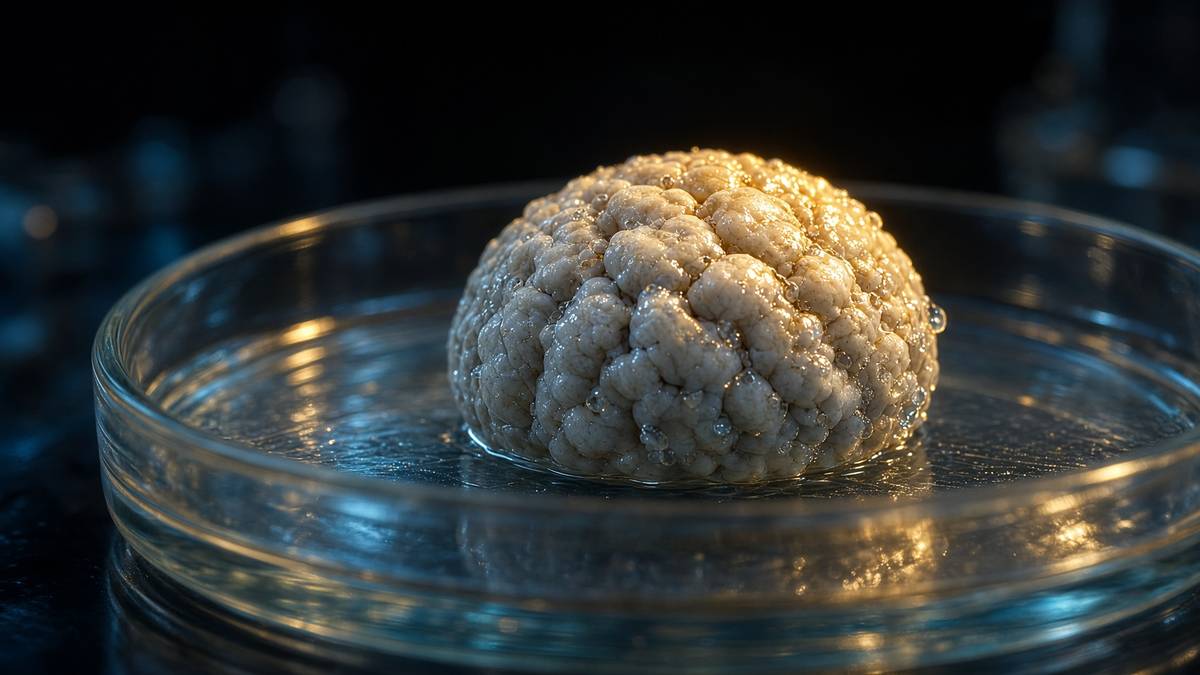
Brain organoids: a cortex the size of a lentil
Stem cells, left to their own patterning, build layered neural tissue in a dish. They are not minds. They are the most honest model of human development we have ever had.
48 min · long read · Frontier biology
CRISPR is no longer a paper. It is a medicine.
In 2023 the UK and then the US licensed exagamglogene autotemcel — Casgevy — the first CRISPR-based therapy. Sickle-cell and β-thalassaemia patients had their own stem cells rewritten at BCL11A. The sci-fi crossed the pharmacy counter.
48 min · long read · Frontier biology
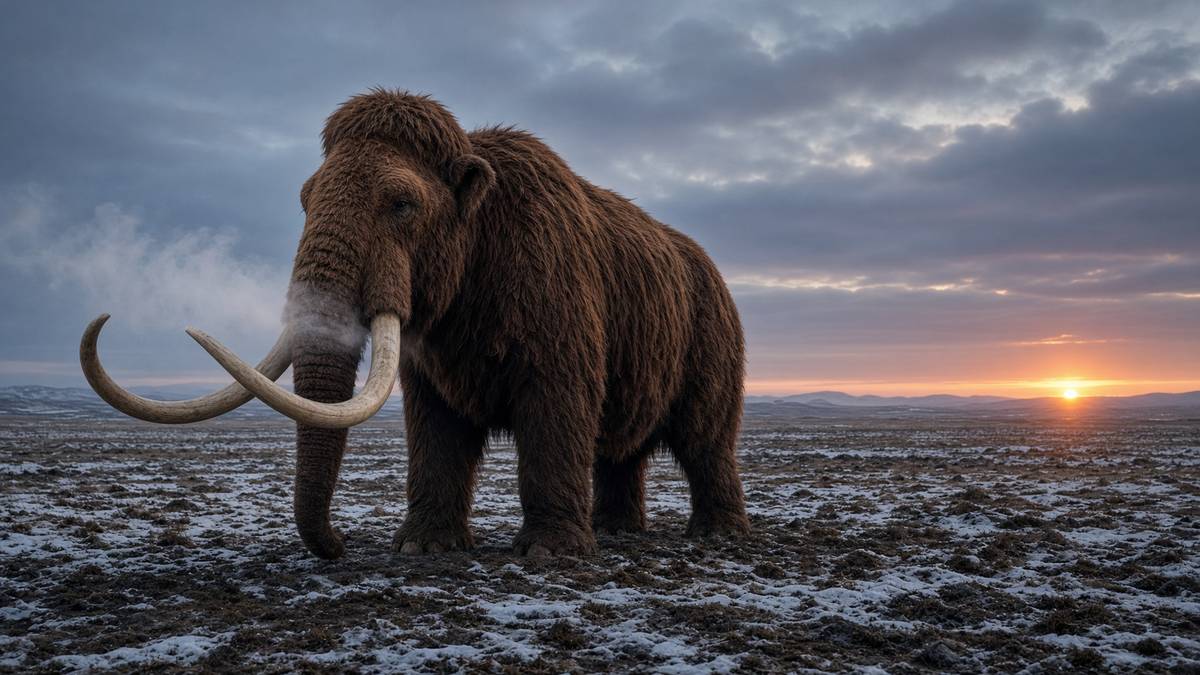
The mammoth is being rewritten in Texas
Inside Colossal Biosciences’ Dallas headquarters, Asian elephant cells are taking on the genes of a 4,000-year-old ghost. The target is a calf around 2028. This is not a film treatment.
47 min · long read · Frontier biology
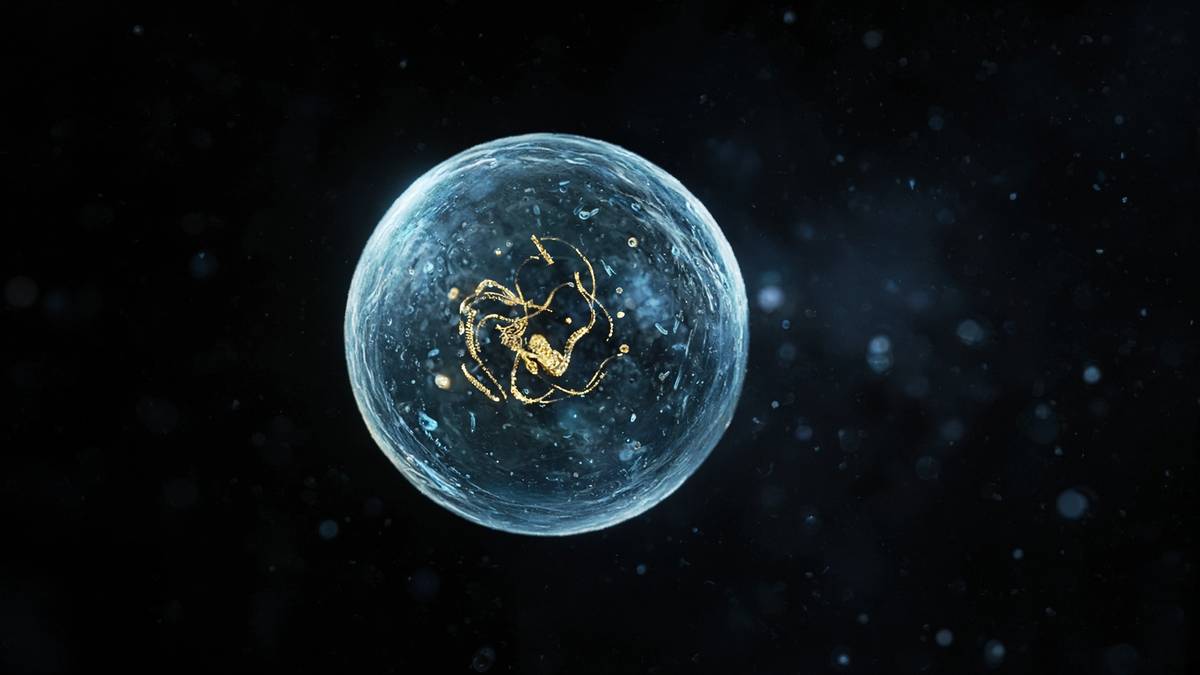
The smallest genome that still counts as alive
JCVI-syn3.0 has 473 genes. That is enough to make a cell that grows. It is also a map of what life cannot do without — and a chassis waiting for modules.
47 min · long read · Frontier biology
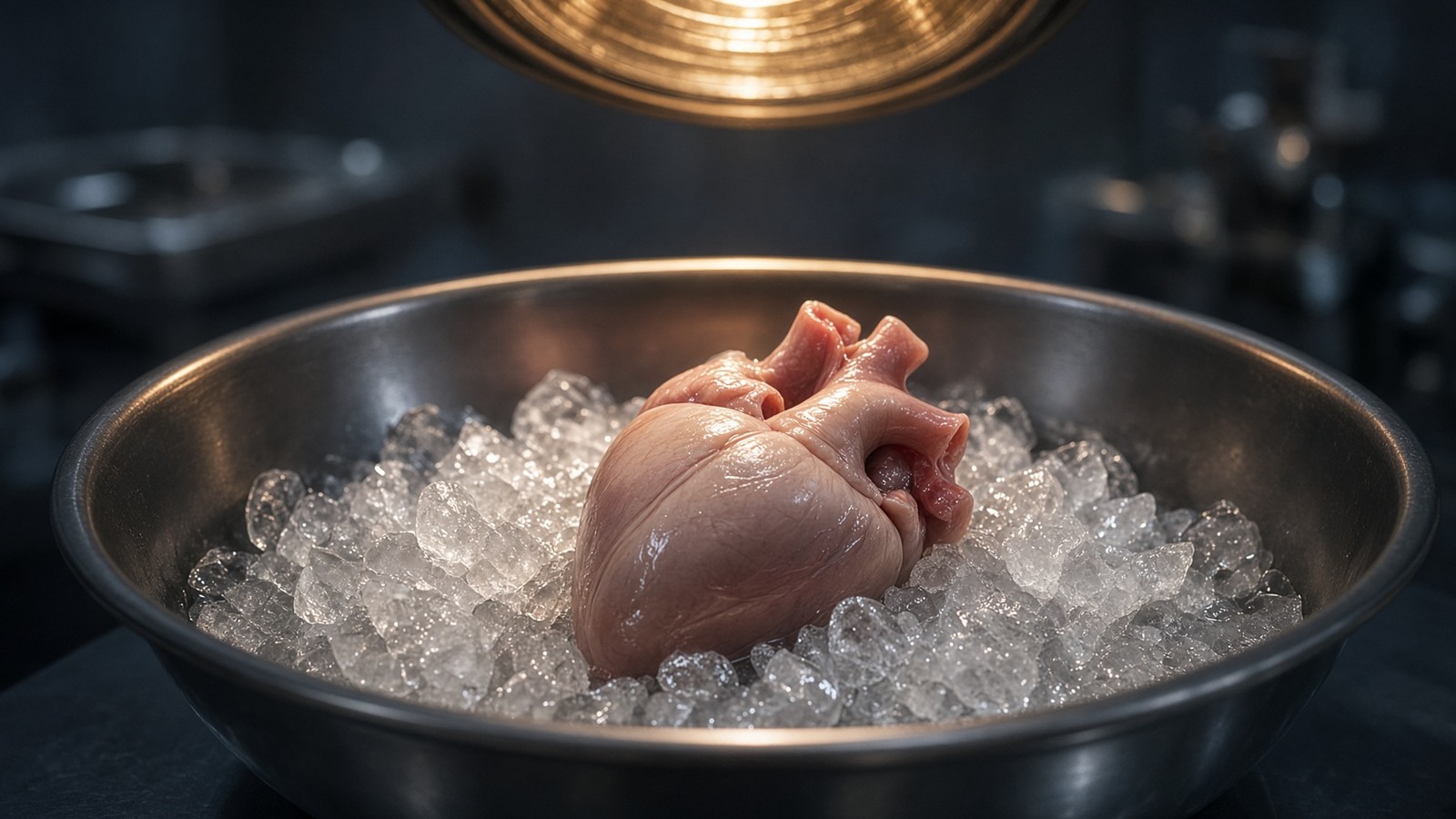
CRISPR pigs, and the first gene-edited organs in people
Knock out the sugar that human antibodies attack, knock out porcine retroviruses, add human complement regulators — then sew a pig heart into a man. That sentence has already been true, more than once.
47 min · long read · Frontier biology
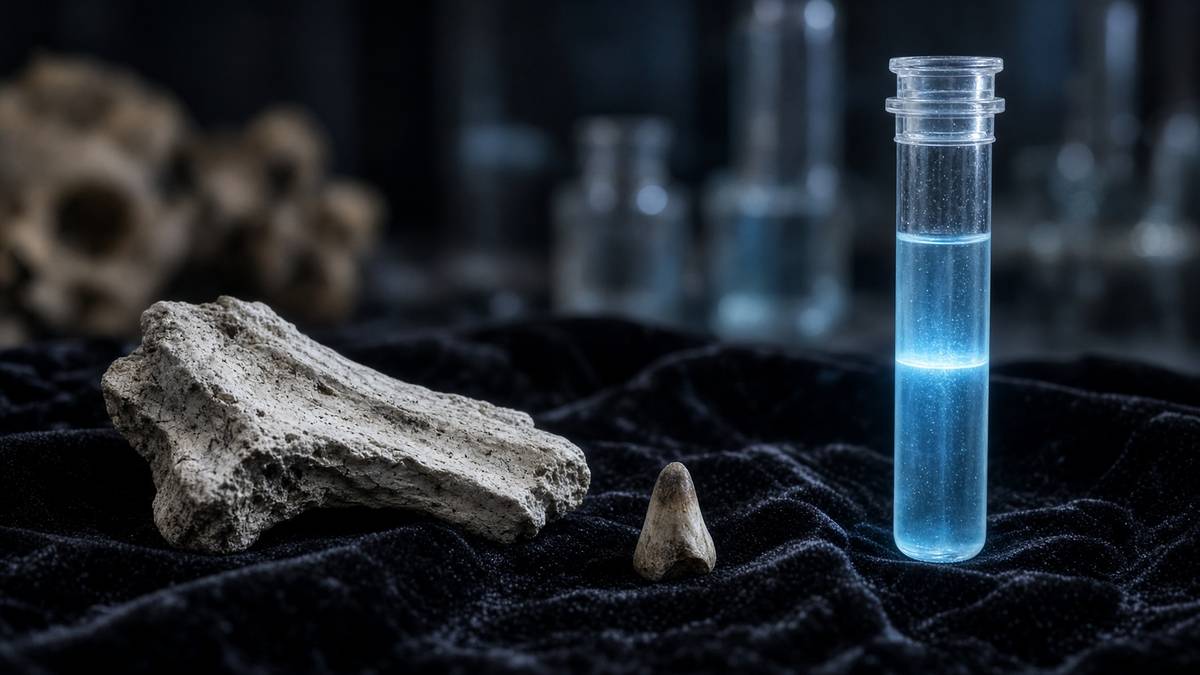
How a frozen tooth becomes a working gene
Palaeogenomics turned dirt, bone and dental calculus into genomes. De-extinction is downstream of that quieter revolution.
46 min · long read · Frontier biology
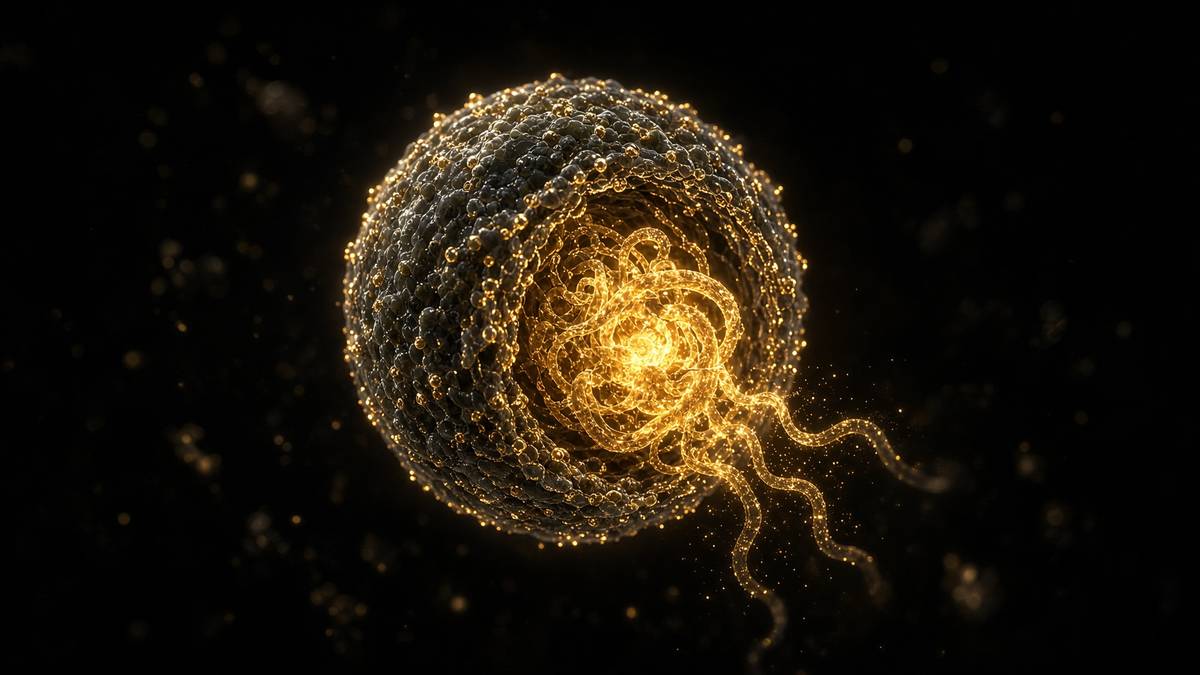
mRNA was not a pandemic trick. It is a platform.
A lipid nanoparticle, a codon-optimised message, a few days of protein. Vaccines proved it in billions of arms. The pipeline behind them is oncology, rare disease, and in vivo gene writing.
46 min · long read · Frontier biology
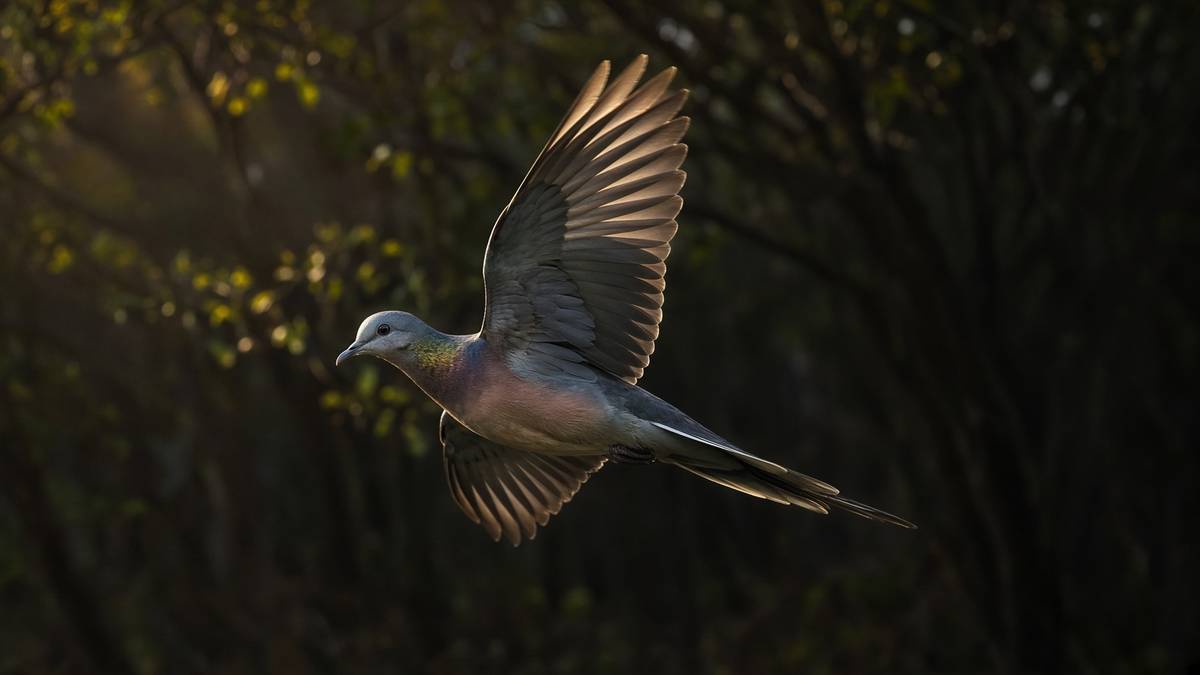
The passenger pigeon was a forest process. Someone is rebuilding the bird.
Martha died in 1914. Billions had darkened American skies. Revive & Restore is editing the band-tailed pigeon toward Ectopistes migratorius — not as a museum skin, as an ecological flood.
46 min · long read · Frontier biology
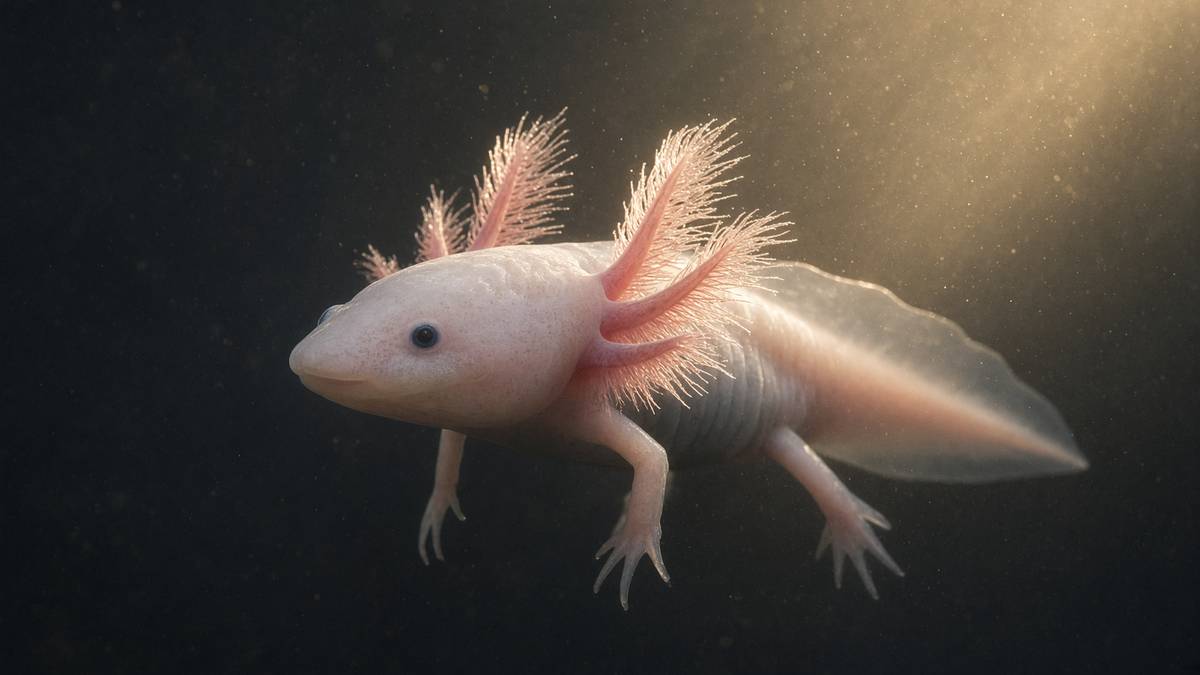
The axolotl does not scar. It rebuilds the limb.
A salamander with a 32-gigabase genome can amputate a leg and grow a perfect one back — bone, muscle, nerve, skin. The blastema is the most interesting factory in vertebrate biology.
46 min · long read · Frontier biology
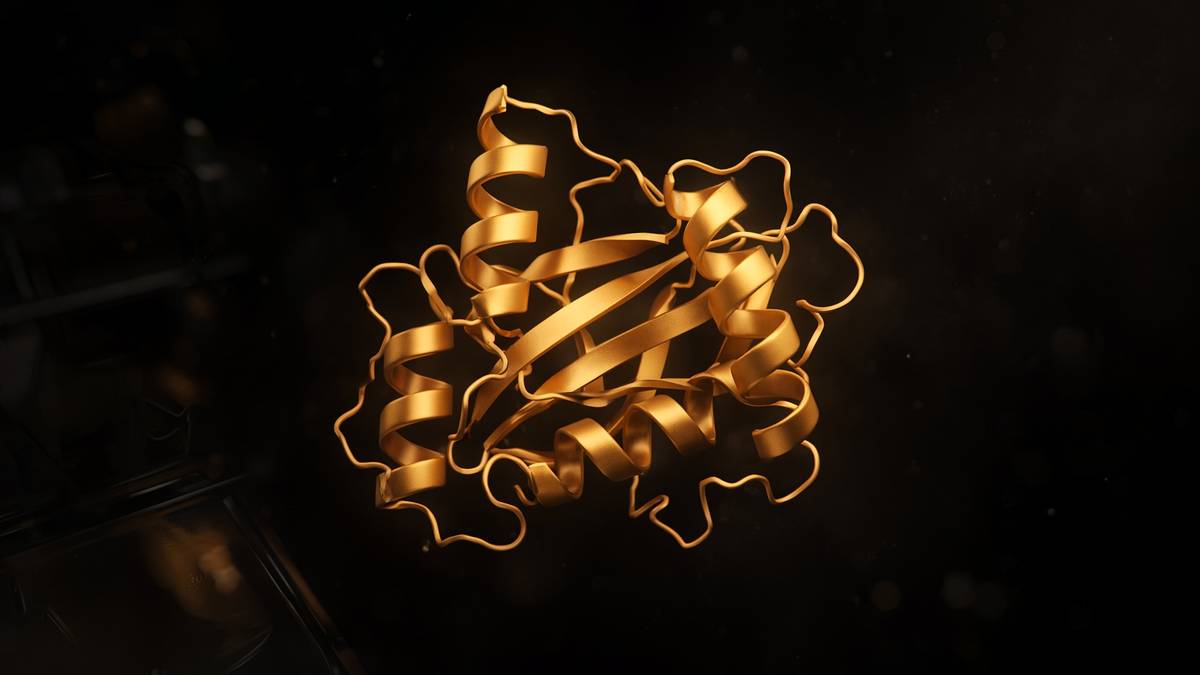
AlphaFold solved the protein-folding problem and then won a Nobel
Fifty years of physical chemistry, then a neural net. Hassabis, Jumper and Baker shared the 2024 chemistry prize. Every peptide in we now has a predicted structure you can actually look at.
46 min · long read · Frontier biology
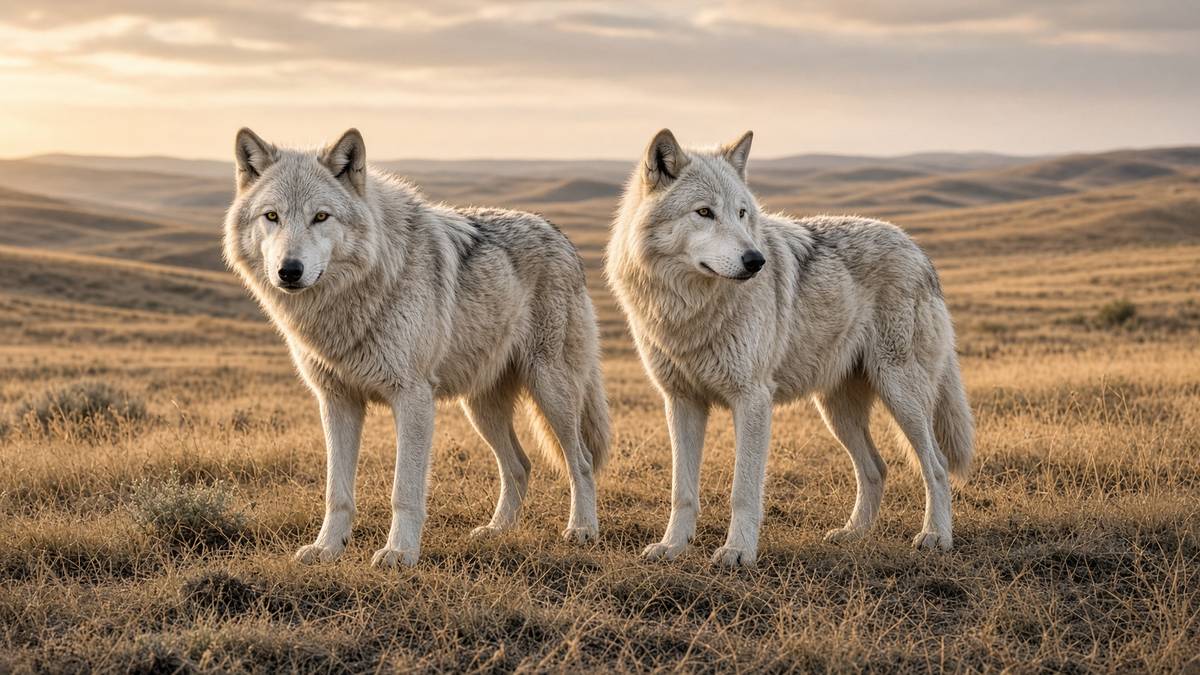
Romulus, Remus and the argument over a dire wolf
Three pups born from grey-wolf cells edited with Ice Age DNA became the most famous animals of 2025. They are also the most disputed.
44 min · long read · Frontier biology
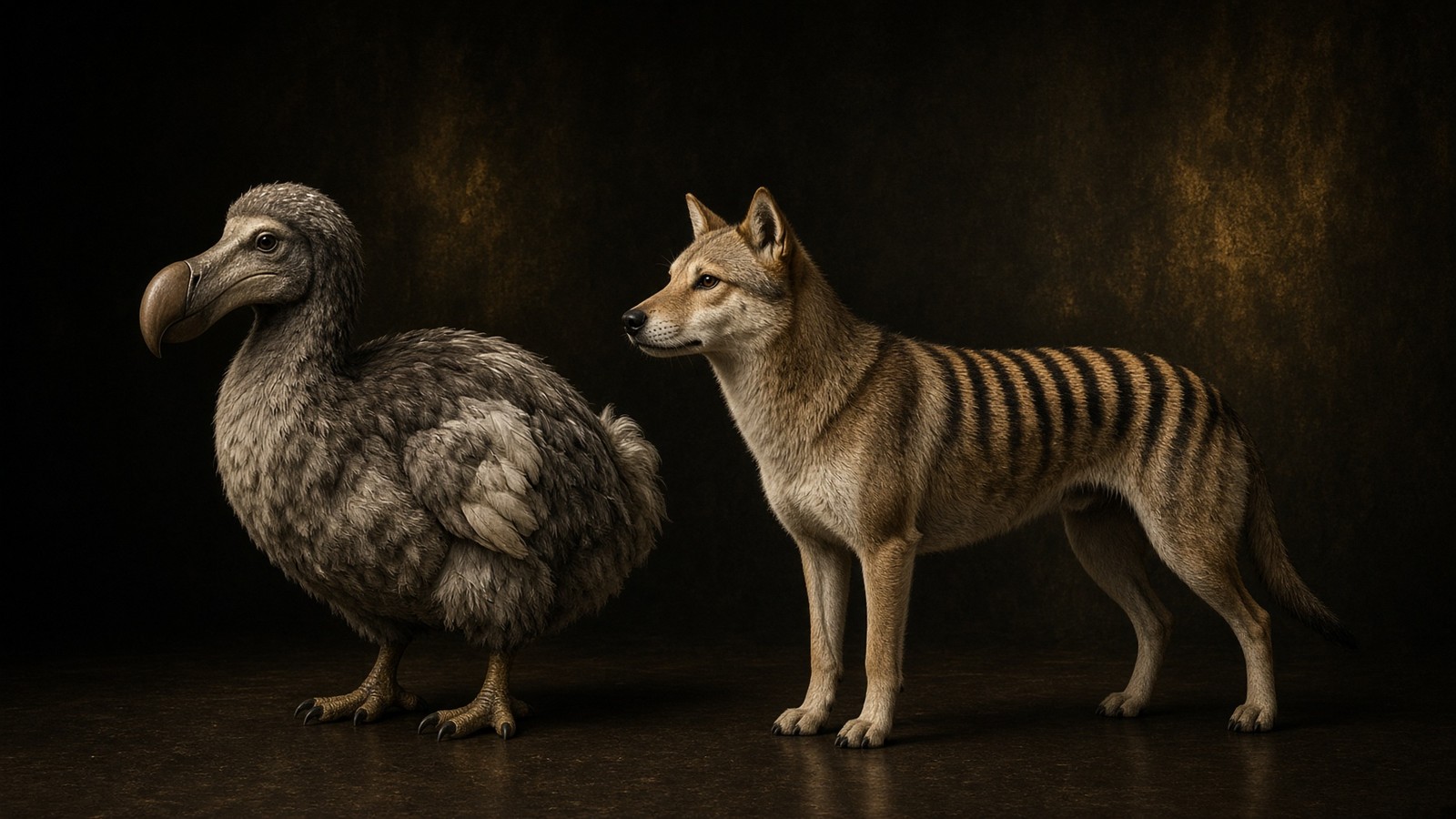
The dodo and the thylacine are in the same queue as the mammoth
Colossal’s pipeline is not one animal. After dire wolves and a mammoth timeline: a Mauritius bird rebuilt from a Nicobar pigeon, and a Tasmanian tiger rebuilt from a fat-tailed dunnart.
The frontier desk is the journal. The catalogue is HPLC-characterised research peptides, next-day UK.
Shop peptides