
Skip to contentVeterans get 15% offEmergency services get 15% offVeterans get 15% offEmergency services get 15% off

Research peptides · next-day UK £5 · kit on orders over £75422 browsing now94 purchased in the last 24 hours

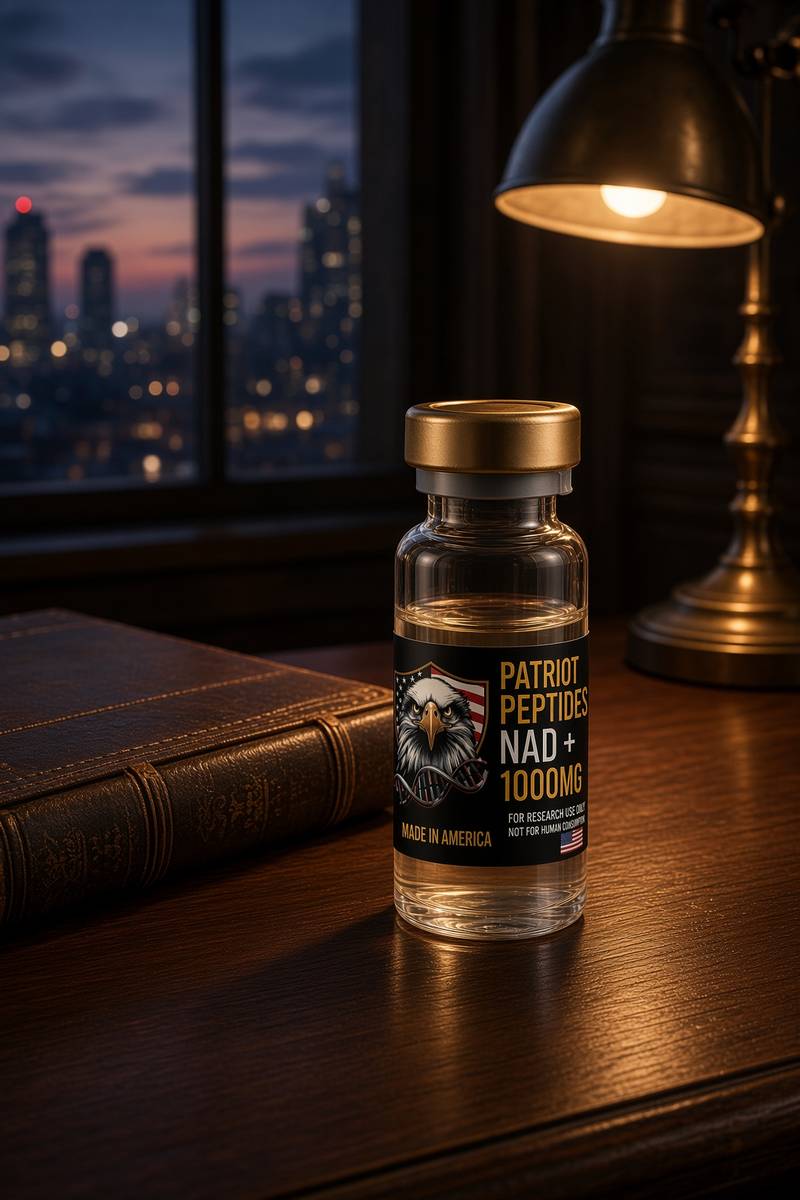
NAD+ 1000mg lyophilised research vial — photo 1 of 3

Cofactor

NAD+ 1000mg

4.7670 reviews

93 browsing this now · 6 purchased in the last 24 hours

Buy NAD+ 1000mg research peptide UK · ≥98% HPLC · next-day tracked postage £5

For research use only. Not for human consumption.

£50.00

LyophilisedResearch only

1,000 mg lyophilised NAD+ — the cofactor aging labs actually assay.

  • HPLC identity on the page — CAS, sequence, mass.
  • Next-day tracked UK postage £5. Guest checkout.
  • Sterile reconstitution kit on peptide orders over £75.
  • No backorders. No mystery white-labels.

In stock

1

Peptide orders over £75 include sterile bacteriostatic water and individually packaged syringes for laboratory reconstitution. Kit details

Specifications

Name
NAD+
Size
1000mg
Form
Lyophilised solid
CAS
53-84-9
Sequence
β-NAD+
Molecular formula
C21H27N7O14P2
Mass
663.43 g·mol⁻¹
Purity
≥98% HPLC
Method
HPLC
Storage (lyophilised)
Refrigerated, dry, dark
Intended use
For research use only. Not for human consumption.
SKU
nad-plus
Price
£50.00

Certificate of analysis

CAS 53-84-9. Sequence β-NAD+. Mass 663.43 g·mol⁻¹. ≥98% HPLC. Method HPLC.

The current lot’s third-party certificate will be published on this page when released. Identity above is the named structure we stock.

How we test

Simple terms

What NAD+ does in the body

Every living cell uses NAD+ as a rechargeable chip for energy and DNA repair — and the pool shrinks as we age.

Inside the cell it ferries electrons so food can become energy. It is also spent, one molecule at a time, when DNA is patched or genes are quieted. Published work shows those stores falling with age; restoring them in animals makes mitochondria look younger. This vial is the cofactor those assays actually use — not an infusion, not a supplement.

In the dish and in animals it is the budget those repair and energy enzymes actually spend. If the question is 'does this cell have enough cofactor to run sirtuins and PARPs?', this is the named molecule the papers put in the well.

What the work looks at

  • Cellular energy — how mitochondria turn food into fuel
  • DNA-repair enzymes that spend NAD+ when the genome is damaged
  • Sirtuins, the family of proteins that use NAD+ to quiet genes
  • Why the pool itself declines with age in published models

Hypothetical research neighbourhood

  • Age-related energy decline (models)

    The NAD+ pool falls as CD38 rises. Aging-cell papers treat the cofactor as the budget, not a stimulant.

  • Mitochondrial stress

    Redox assays and sirtuin work sit here. Fatigue as a slogan is not a use instruction.

  • DNA-repair questions

    PARPs spend NAD+ when the genome is nicked. That is a laboratory question.

Drawn from published cell and animal work. Hypothetical research neighbourhood — not a diagnosis, not a medicine, not a protocol. This vial is labelled for research use only.

Hypothetical research reconstitution

How this vial is typically mixed

Hypothetical research reconstitution for the named catalogue vial. Not a protocol, not medical advice, not a use instruction. These amounts sit in published and commonly cited laboratory ranges. The vial is labelled for research use only — not for human or veterinary administration.

NAD+

1000mg

Mix with 10 ml bacteriostatic water → 100 mg/ml

Hypothetical aliquot
50–100 mg
0.50–1.00 ml · 50–100 units on a U-100 syringe
How often
Two or three times per week in published infusion and assay notes
4–8 weeks, then a pause

Bench steps

  1. Let the vial sit until it is no longer cold to the touch.
  2. Wipe the stopper with 70% isopropyl alcohol. Let it dry.
  3. Draw 10 ml bacteriostatic water (0.9% benzyl alcohol).
  4. Run the water slowly down the inside glass — do not blast the cake.
  5. Roll between finger and thumb until the cake is gone. Do not shake.
  6. Label the date. Store the solution at 2–8 °C. Do not freeze. Use within 30 days unless the note below says otherwise.

A 1000mg cake wants 10 ml. Protect from light. Solution yellows as it oxidises — that is the cofactor dying, not a flavour. Use promptly.
Bacteriostatic water and sterile syringes ship with peptide orders over £75. Kit details · 10 ml bacteriostatic water

What this is

Buy 1000mg lyophilised β-nicotinamide adenine dinucleotide for redox, sirtuin and PARP work. NAD+ is the dinucleotide cofactor at the centre of cellular energy and signalling — HPLC-characterised, a serious 1000mg aliquot, next-day UK.

Laboratory handling

Lyophilised solid. Keep refrigerated, dry and dark. Reconstitute under aseptic laboratory technique with bacteriostatic water. For in-vitro research only — not for human or veterinary use. Peptide orders over £75 include the sterile kit.

Journal

NAD+: the currency of cellular time

NAD+ is nicotinamide adenine dinucleotide, the hydride coin Complex I wants oxidised and the stoichiometric substrate sirtuins, PARP1 and CD38 spend. Salvage through NAMPT is the kinetic bottleneck; the pool falls with age. Restoration in mice moves muscle, endothelium and stem-cell assays; human NR and NMN trials more often move the metabolome than a hard clinical endpoint. This essay is that topology, the named papers, and why a 1000 mg cake of lyophilised β-NAD+ is a laboratory reagent rather than an infusion.

About NAD+

What is NAD+ used for in the lab?

NAD+ is the hydride-carrying cofactor of redox metabolism, sirtuin signalling and PARP DNA-repair work. This 1000mg aliquot is lyophilised β-NAD+ for in-vitro assays — not a supplement, not an infusion.

What does NAD+ do in the body?

Every living cell uses NAD+ as a rechargeable chip for energy and DNA repair — and the pool shrinks as we age. In published cell and animal work — not a use instruction. NAD+ 1000mg is labelled for research use only, not a medicine.

Is NAD+ for human use?

No. NAD+ 1000mg is labelled FOR RESEARCH USE ONLY. NOT FOR HUMAN CONSUMPTION. It is a laboratory reagent, not a medicine, food or cosmetic.

What purity and identity do you publish for NAD+?

≥98% HPLC. CAS 53-84-9. Sequence β-NAD+. Mass 663.43 g·mol⁻¹. Method HPLC.

How fast does a UK order arrive?

Next-day tracked UK delivery is £5 on every order. Discrete laboratory mailer. UK addresses only. Guest checkout — you get a PP- order ID and a tracking number.

Does this vial include the reconstitution kit?

Peptide orders over £75 include USP-grade bacteriostatic water and individually packaged sterile syringes. Under £75 the vials ship without the kit. The kit is a laboratory accessory, not a protocol.

From the bench and the doorstep

NAD+ reviews

670 reviews on this listing — mostly five stars, some fours, a handful of threes. The shop is new; the house is not.

4.7

670 reviews

  • 5 star74%
  • 4 star22%
  • 3 star4%

Researchers also look at

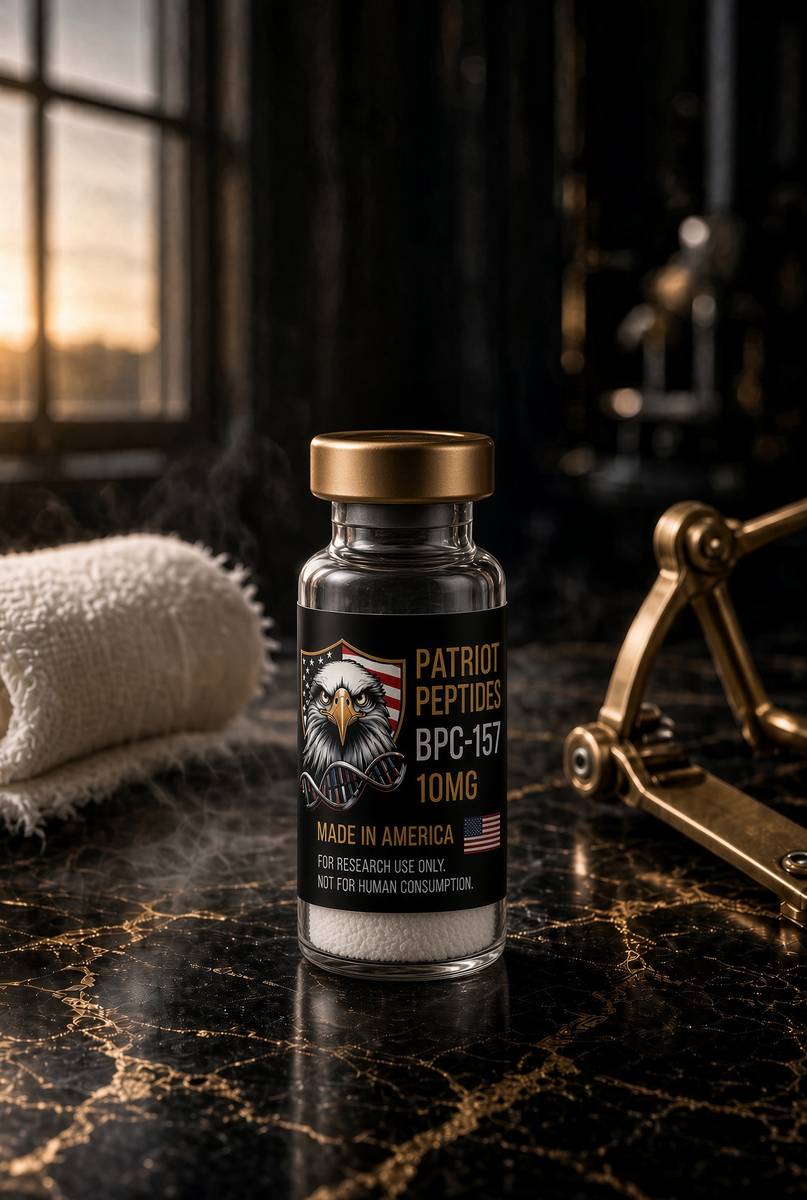
BPC-157 10mg research vialResearch only

Repair

BPC-157

10 mg BPC-157. The gastric 15-mer, HPLC-characterised.

4.9(760)

60 browsing this now · 7 purchased in the last 24 hours

10mg · In stock

£20.00

View
TB-500 10mg research vialResearch only

Repair

TB-500

10 mg TB-500 — thymosin β4 analogue for actin and migration work.

4.8(641)

155 browsing this now · 8 purchased in the last 24 hours

10mg · In stock

£30.00

View
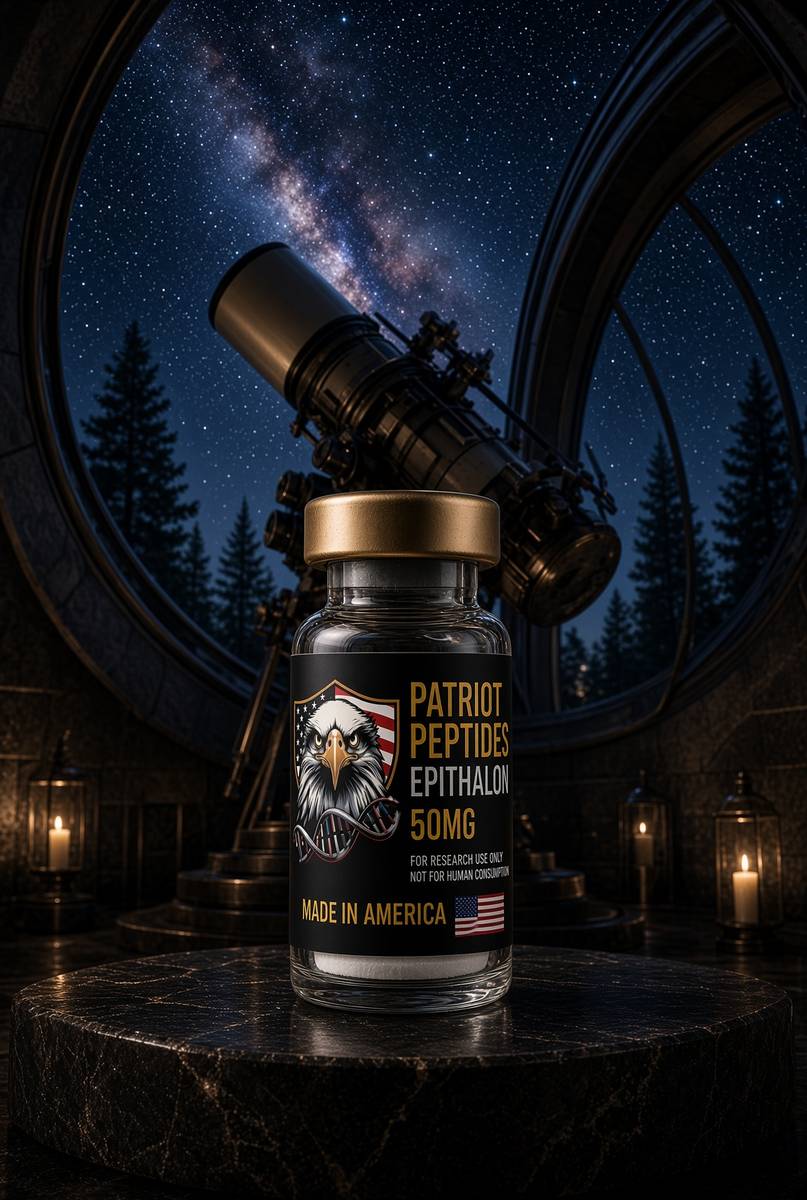
Epithalon 50mg research vialResearch only

Aging biology

Epithalon

50 mg Epithalon (AEDG). Four residues, 50 milligrams on the bench.

4.6(480)

18 browsing this now · 2 purchased in the last 24 hours

50mg · In stock

£50.00

View
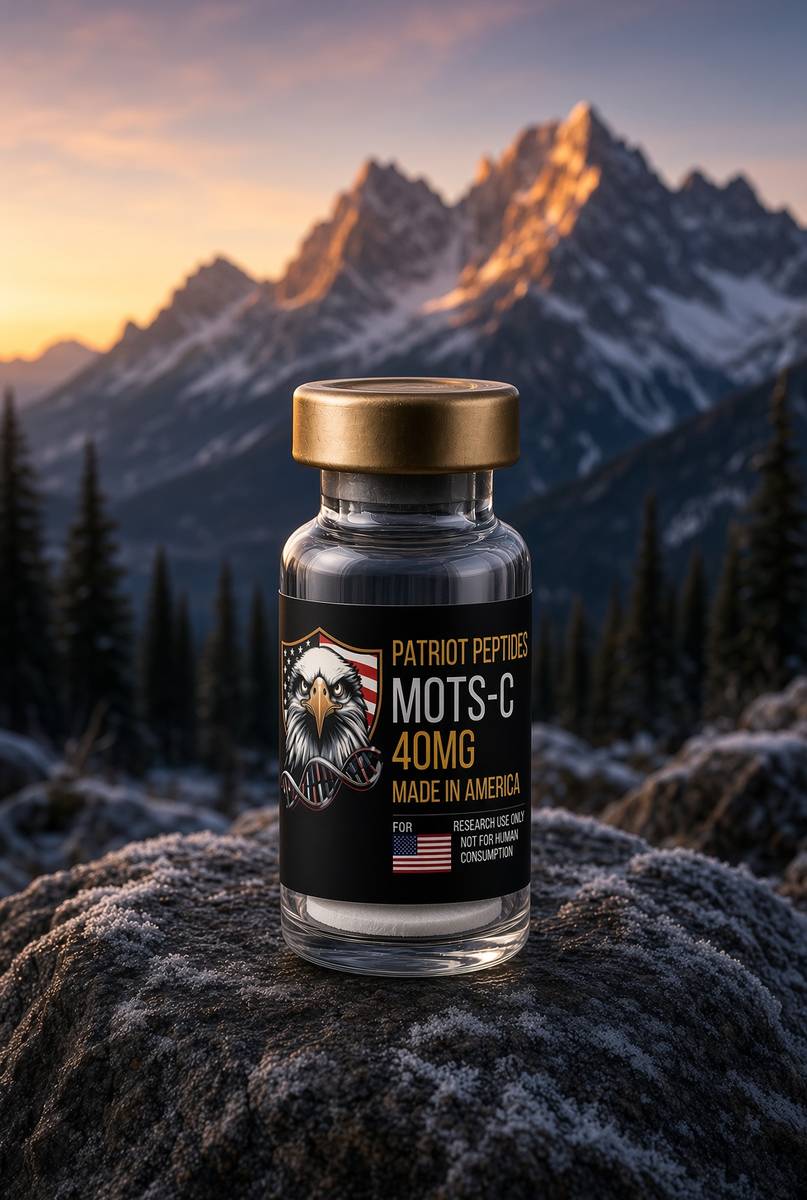
MOTS-C 40mg research vialMade in USA

Aging biology

MOTS-C

40 mg MOTS-c — the 16-mer the mitochondrial genome writes about metabolism.

4.7(536)

40 browsing this now · 3 purchased in the last 24 hours

40mg · In stock

£50.00

View

NAD+ 1000mg

£50.00