

Metabolism · 46 min · 10,178 words
Sleep is a glucose drug you cannot buy
Spiegel, Leproult and Van Cauter restricted healthy people to four hours a night. Next-day glucose tolerance looked like a milder type 2. Cortisol, GH pulses and the hepatic clock are why. The bread did not change.
· updated
What this essay actually tells you
- One night of restricted sleep raises next-day insulin resistance in healthy adults. A glucose effect you can measure on a clamp. Not 'you look tired'. Clamp.
- Cortisol should peak in the morning and fall. Flatten that curve (shift work, late light) and hepatic glucose output stays inappropriately high. The liver doesn't know you went to a gig.
- Glymphatic clearance of brain metabolites is higher in sleep. Sleep is a metabolic organ. We'd have called it that if it came in a vial.
What this actually means
Sleep isn't rest as an extra on a treatment plan. It's a scheduled endocrine programme — hormones on a clock — and slow-wave sleep is when the largest growth-hormone pulses fire. In young men, a majority of daily GH is secreted then. Cortisol bottoms around midnight and rises toward dawn so glucose is ready for waking; the dawn phenomenon in diabetes is this ACTH rhythm plus residual hepatic glucose output. The liver's own clock decides when gluconeogenic enzymes may run. Cut the night short and next-day insulin sensitivity falls. Spiegel, Leproult and Van Cauter (Lancet 1999) restricted healthy young men to four hours' sleep for six nights: glucose tolerance after breakfast looked like a milder type 2. Later clamp work showed a single restricted night is enough. Ghrelin drifts up, leptin down, appetite follows. Glymphatic clearance of brain metabolites is higher in sleep, which is why sleep is a metabolic organ as well as an endocrine one. DSIP and Epithalon sit nearby in a catalogue as research sequences, not as a night. None of this needs a personality theory of willpower. The control system expected you to be horizontal, and it billed you when you weren't.
Sleep isn't rest as an extra on a treatment plan. It's a scheduled endocrine programme — hormones on a clock — and slow-wave sleep is when the largest growth-hormone pulses fire. In young men a majority of the daily GH integral is secreted then. Cortisol bottoms around midnight and rises toward dawn so hepatic glucose is ready for waking; the dawn phenomenon in diabetes is that ACTH rhythm plus residual hepatic glucose output. The liver's own clock — BMAL1, CLOCK, PER, CRY — decides when gluconeogenic enzymes may run. Cut the night short and next-day insulin sensitivity falls. Spiegel, Leproult and Van Cauter, in the Lancet in 1999, restricted healthy young men to four hours in bed for six nights: glucose tolerance after breakfast looked like a milder type 2, and the acute insulin response dropped. Later clamp work showed you don't need six nights. A single four-hour night is enough. Ghrelin drifts up, leptin down, appetite follows. The control system expected a consolidated dark window, and it billed the glucose economy when it didn't get one.
In short. Sleep times hormones that run blood sugar. Shorten the night and healthy people handle glucose worse the next day, even if breakfast is the same.
Three facts sit under that sentence, and they're the reason this page lives on the metabolism desk rather than under a pillow. First: one night of restricted sleep raises next-day insulin resistance in healthy adults. That's a hyperinsulinaemic–euglycaemic clamp — insulin held high, glucose held steady — not a mood, and not 'you look tired'. Donga and colleagues measured it after a single four-hour night. Second: cortisol should peak in the morning and fall. Flatten that curve — shift work, late light, a stressing evening — and hepatic glucose output stays inappropriately high. The liver doesn't know you went to a gig. Third: glymphatic clearance of brain metabolites is higher in sleep. Nedergaard's group made that a Science sentence in 2013. Sleep is a metabolic organ. We'd talk about it that way more often if it came in a bottle. The neighbouring circadian essay owns the pineal and the transcriptional loop. The neighbouring GH-axis essay owns the receptors. This page is the glucose invoice of a missing night, with the named papers, the named machines, and the catalogue objects people type when they type sleep.
In short. One short night raises insulin resistance. A flattened cortisol curve keeps the liver making sugar. The sleeping brain also rinses itself. Those are three measurements.
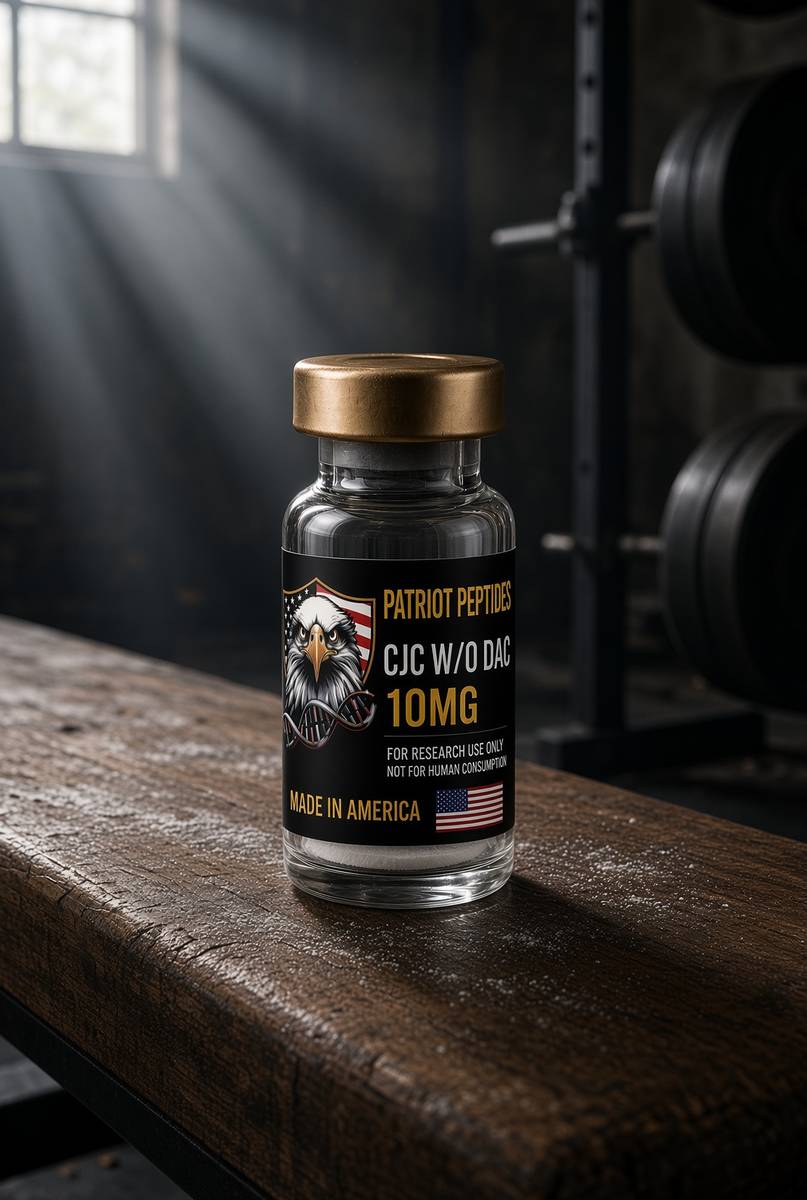
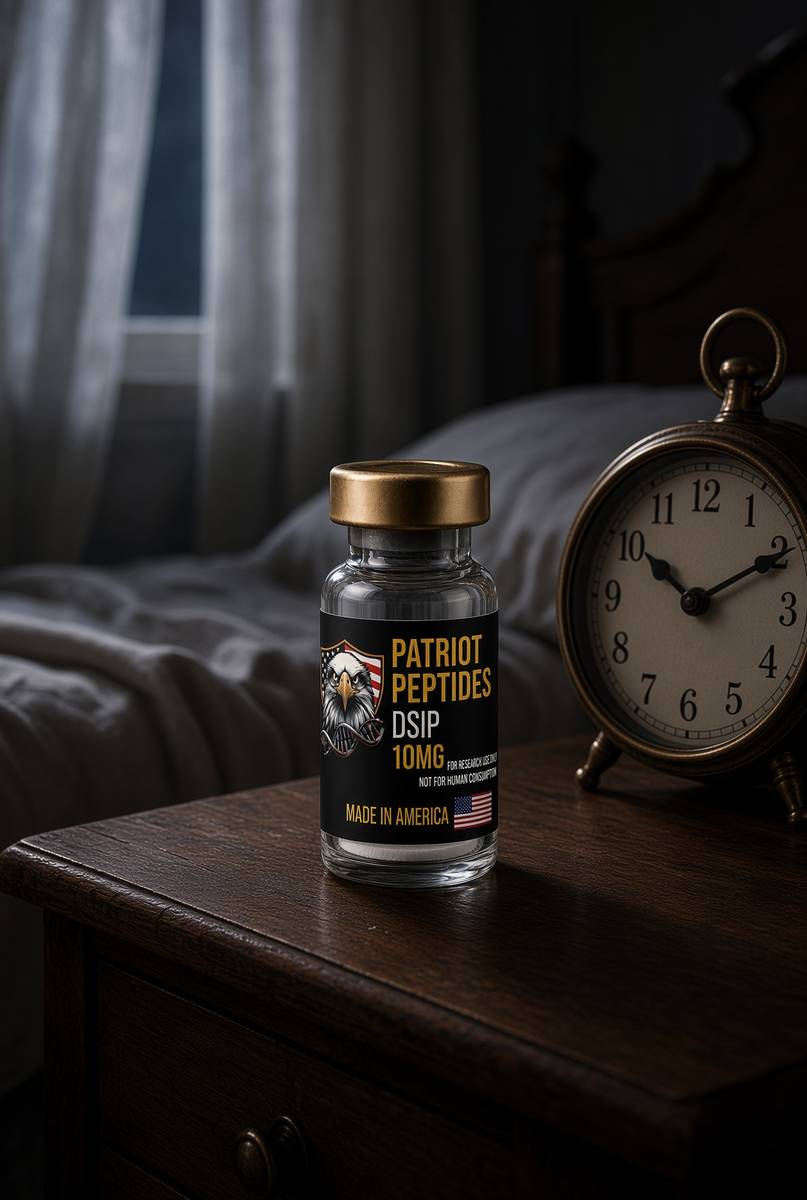
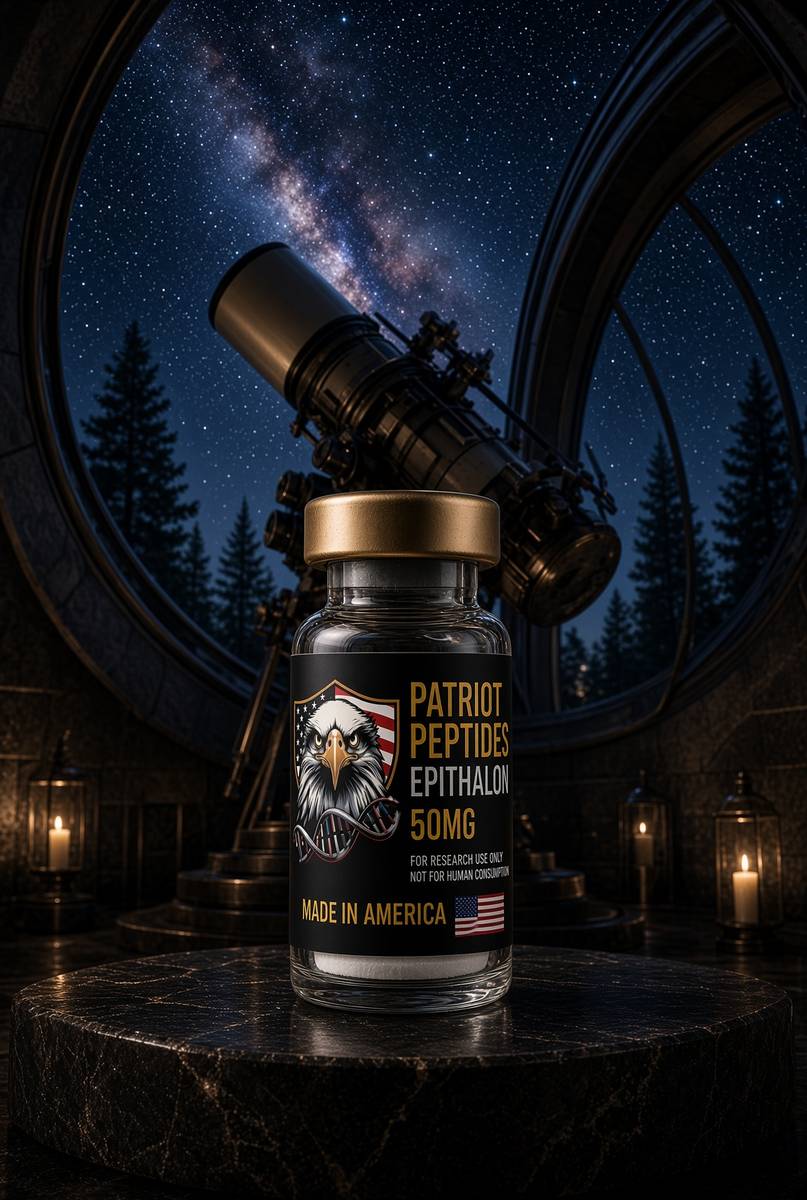
DSIP and Epithalon sit on the same catalogue as CJC-1295 without DAC, and search culture files all three under a night's rest. They're neighbours on a shelf, not a tablet you take at bedtime. DSIP is Trp-Ala-Gly-Gly-Asp-Ala-Ser-Gly-Glu, nine residues isolated by Schoenenberger and Monnier from rabbit cerebral venous blood during electrically induced delta sleep and published in PNAS in 1977. Epithalon is Ala-Glu-Asp-Gly, a pineal tetrapeptide from Khavinson's St Petersburg school, pointed at nocturnal melatonin amplitude and at TERT in fibroblasts. CJC-1295 without DAC is tetrasubstituted GRF(1–29), a GHRH analogue built to last tens of minutes so a somatotroph can still pulse. Those carbon skeletons aren't slow-wave sleep, a cortisol cliff, or glymphatic flow. The neighbouring sleep-architecture essay takes the two night-filed sequences as paper trails. This page takes the metabolic night those sequences are sometimes asked, wrongly, to replace. Darkness is still free. A characterised cake is a reagent.
In short. Two research peptides and a growth-hormone analogue sit near sleep in a catalogue. They aren't a night, and they don't replace one.
What follows is the physiology rather than a protocol. Named clamps, named enzymes, named nuclei, named papers, and a legal class stated once at the close for the reagents the catalogue actually holds. Van Cauter's sleep-and-metabolism corpus is still the citation we send people to. Tasali showed that suppressing slow-wave sleep without cutting total time in bed is already a glucose insult. Broussard put the insulin-receptor signalling defect into human adipocytes after experimental restriction. Spiegel put ghrelin up and leptin down on the same nights. Xie, Iliff and Nedergaard put cerebrospinal fluid through the parenchyma as a clearance path that sleep turns up. Those papers are still the ones I'd start you with. A 4 a.m. finish and a worse breakfast is the domestic replication. The bread didn't change. Pretending the toast is the variable is how a culture treats night as optional and then wonders why fasting glucose has opinions.
In short. This page is the glucose cost of a short night, named at the papers and the machines. It's physiology, not a bedtime plan.
Spiegel, Leproult, Van Cauter, Lancet 1999: six nights of four-hour sleep in healthy men. Next-day glucose tolerance resembled a milder type 2. The meal was not the variable.— Spiegel K, Leproult R, Van Cauter E. Lancet. 1999; 354: 1435–1439.
One restricted night is a glucose experiment
Van Cauter's laboratory, first in Chicago and then across a series of collaborations, spent the 1990s and 2000s treating sleep as an endocrine input rather than as a wellness caption. The 1999 Lancet paper is still the one a careful write-up has to cite. Eleven healthy young men, six nights of four hours in bed, compared with a twelve-hour recovery condition in a crossover design. After a breakfast glucose load the curve looked like early type 2: higher glucose, a blunted first-phase insulin dump, reduced glucose effectiveness. Evening cortisol was higher. Sympathetic tone was up. The bread hadn't changed. The controller had. Sample size is small by modern multi-centre standards, which is a fact, and the direction has been replicated for a quarter of a century, which is also a fact. Later work showed you don't need six nights to move the same variables. The paper remains the sentence we send people to because it named the insult in healthy adults, on a glucose curve, without blaming anyone's character.
In short. In 1999, healthy young men slept four hours a night for six nights. Breakfast sugar handling looked like early type 2. The food hadn't changed.
Donga, van Dijk, van Dijk, Lammers, van Kralingen, Corssmit and Romijn, Journal of Clinical Endocrinology and Metabolism, 2010, is the single-night clamp. Healthy subjects, one night of 4 hours versus 8.5 hours, then a hyperinsulinaemic–euglycaemic clamp the next day. Hepatic insulin resistance rose. Peripheral glucose uptake fell. Multiple metabolic pathways, as the title said, not a single tissue sulking. A clamp is the gold-standard insulin-sensitivity assay: you fix glucose with a variable dextrose infusion while insulin is held high, and the infusion rate tells you how hard the tissues are taking sugar. HOMA-IR from a fasting pair of numbers is a scout. An oral glucose tolerance test is a curve. A continuous glucose monitor is a home photograph. The clamp is the instrument that decides whether insulin resistance is a rumour or a measurement. One restricted night moved it. That's why this page won't treat 'you look tired' as a stand-in for a glucose effect you can titrate with a pump.
In short. After a single four-hour night, a gold-standard insulin test already shows healthy people taking up sugar less well. Looking tired isn't that measurement.
Tasali, Leproult, Ehrmann and Van Cauter, PNAS 2008, closed a loophole the duration papers left open. They suppressed slow-wave sleep with acoustic stimulation and left total sleep time almost intact. Insulin sensitivity still fell. Architecture, not only hours, is a glucose variable. Slow-wave sleep is concentrated in the first cycles of a young adult night: high-amplitude delta, a high arousal threshold, the window in which somatotrophs fire their largest pulses. Steal that stage and you've stolen a chunk of the endocrine night even if the clock on the wall still shows seven hours in bed. A wearable that reports 'sleep score' without a hypnogram can't tell you whether you've done this experiment. Polysomnography can. The practical implication is ruder than a duration caption: a fragmented, delta-poor night is a metabolic night even when time in bed looks respectable. Hours are necessary. They aren't sufficient. The stage table is the other half of the invoice.
In short. Cutting deep sleep without cutting hours still worsens insulin action. How the night is built matters, not only how long it lasted.
Broussard, Ehrmann, Van Cauter, Tasali and Brady, Annals of Internal Medicine 2012, took the insult into the adipocyte. Experimental sleep restriction in healthy adults reduced insulin signalling in fat cells harvested the next day: less phosphorylation in the insulin-receptor cascade, a tissue-level defect rather than a whole-body average. Muscle remains the large disposal sink after a meal. Liver remains the factory that won't clock off. Adipose is the third address, and it's the one a biopsy can actually hand you. A clamp can't tell you which of those three sulked; a tissue assay can. Restriction moves more than one. That's why a CGM that looks noisy after a short night isn't 'the toast', and not only 'the liver', and not a character flaw in the pancreas. Several tissues heard that the dark window had been shortened. Several tissues answered. Naming the tissue is how a glucose essay stays a physiology essay rather than a breakfast sermon.
In short. Fat cells themselves handle insulin less well after a short night. Muscle and liver are in on it too. Several tissues heard that the night was cut.
Continuous glucose monitors made the same phenomenon visible at home, which is a gift and a temptation. The 4 a.m. finish, the worse breakfast, the person who blames the toast: we've all been that person. A CGM is a useful photograph of interstitial glucose. It isn't a clamp. It isn't an oral glucose tolerance test with timed insulin. It doesn't tell you hepatic glucose production from peripheral disposal. What it does tell you, often enough to be a public health fact, is that a short night and a mistimed first meal stack. Dawn phenomenon — glucose already climbing before breakfast, driven by residual hepatic output plus the morning ACTH peak — is louder when the night was thin. Carbohydrate at 07:00 on a well-slept liver is a different experiment from carbohydrate at 07:00 on a liver that still thinks it's on duty. The sensor will draw both curves. Only one of them is about the bread.
In short. Home sugar sensors often show a worse breakfast after a short night. The toast is usually not the thing that changed. The night is.
Mechanism, at this point, is a set of named tissues rather than a catch-all word about 'stress'. Skeletal muscle takes up less glucose under insulin, which is the clamp's peripheral number. The liver produces more glucose than it should for the insulin it's seeing, which is the clamp's hepatic number and the fasting-glucose number people actually look at. Adipose insulin signalling is quieter, which is Broussard's biopsy. Cortisol, still high when it should have fallen, keeps gluconeogenic transcription on. Growth-hormone pulses, missed because slow-wave sleep was missed, change lipolysis and the overnight fuel mix. Sympathetic tone is up, which is Spiegel 1999 again. Sleep restriction is therefore a multi-hormone, multi-tissue perturbation that lands on glucose because glucose is the invoice several of those hormones share. You don't need a personality theory of willpower, and it wouldn't help you. The control system had a schedule. The schedule was broken. The assay you want is the next morning.
In short. Muscle takes up less sugar, the liver makes more, and fat cells listen less well. Several hormones moved. Willpower isn't the variable.
Cortisol should peak in the morning and fall
Cortisol is allowed to be high at 8 a.m. It isn't allowed to be high at 11 p.m. The rhythm is an ACTH rhythm, driven from the suprachiasmatic nucleus via CRH neurons in the paraventricular nucleus of the hypothalamus, then the corticotrophs of the anterior pituitary, then the zona fasciculata of the adrenal cortex. Nadir around midnight. Peak thirty to sixty minutes after waking — the cortisol awakening response, a superimposed pulse on the circadian rise, measured in saliva more honestly than in a single clinic serum. Glucocorticoid receptor occupancy on hepatocytes then writes PEPCK and glucose-6-phosphatase, among other gluconeogenic genes, so that glucose is available for the first waking hours. That's physiology. Flatten the curve — shift work, late light into melanopsin-containing retinal ganglion cells, a stressing evening that keeps CRH on — and hepatic glucose output stays inappropriately on. In people with diabetes that residual output plus the morning ACTH peak is the dawn phenomenon: glucose already climbing before breakfast. Same axis. Wrong amplitude or wrong phase. Both are glucose insults you'll see on a meter.
In short. Cortisol should be high after waking and low at midnight. If the curve stays high, the liver keeps putting sugar into blood when it shouldn't.
The anatomy is worth naming because 'stress hormone' as a caption erases it. Intrinsically photosensitive retinal ganglion cells, melanopsin, peak sensitivity around 480 nanometres, project via the retinohypothalamic tract onto the SCN. The SCN tells the PVN the time. PVN CRH neurons occupy pituitary CRH receptors. ACTH occupies melanocortin-2 receptors on adrenal fasciculata cells, Gs, cyclic AMP, protein kinase A, the steroidogenic acute regulatory protein, cholesterol in, cortisol out. Clearance is hepatic and renal; plasma half-life is tens of minutes, which is why a curve needs several samples, not a hero number at 09:00. Light at 23:30 is an input to that chain. So is a rotating roster. So is a late meal, which talks to the liver clock even if the SCN is still listening to the sun. Cortisol is one humoral hand the SCN has on the liver. Melatonin is another. Autonomic tone is a third. Meal timing is a fourth. A flattened cortisol curve is often several of those hands at once. Naming one hand is a paper. Naming none of them is how a lifestyle blog talks; we can name the chain.
In short. Morning light, a brain clock, a pituitary signal and the adrenal gland write the cortisol curve. Late light and night shifts scramble the same chain.
The dawn phenomenon is this rhythm applied to a liver that already overproduces glucose. Schmidt described it; Bolli and Gerich gave it clinical clothes. In a person with diabetes, overnight growth hormone, the morning ACTH peak, and a fatty liver that won't mute PEPCK combine to raise glucose before any bread is eaten. Sleep restriction makes a milder version of that picture available to people who don't have a diabetes diagnosis: higher evening cortisol, a less decisive nocturnal nadir, a liver still writing glucose at an hour when insulin should have put the factory to bed. Treating dawn phenomenon as a bread problem is how a CGM becomes a diet argument. Treating it as a cortisol-plus-liver problem is how you start measuring the right curve. A single morning serum cortisol isn't that curve. Four or five timed samples, or a salivary awakening response plus an evening point, would be. Most people who blame breakfast have never drawn the evening point. The evening point is where the cliff either happened or didn't.
In short. Morning glucose that's already high before breakfast is often the liver still making sugar. Sleep and the cortisol curve sit on that number.
Shift work is the occupational version of a flattened curve, and IARC has already spent a monograph on it. Night-shift work is Group 2A, a probable carcinogen, argued as circadian disruption: limited human epidemiology, sufficient animal evidence for light-at-night neighbourhoods, strong mechanistic evidence on internal desynchrony. The metabolic half of that mismatch is our subject here. SCN following a compromised light schedule, liver following meals grabbed on a break, melatonin amplitude dented by light-at-night, cortisol failing to cliff: glucose is one of the first readouts to look drunk. Permanent nights, in people who can switch, at least allow a stable if inverted schedule. Rotating nights keep the pacemaker, the liver and the adrenal in a permanent argument. Lifestyle confounds the epidemiology — smoking, diet, socioeconomic load — which is how occupational cohorts look. The mechanism isn't a mystery. A peptide that restored melatonin amplitude in an old rat hasn't unscrewed a rotating roster. Timed light, timed darkness and a meal schedule the liver can learn remain the zeitgebers the loop actually has.
In short. Night shifts scramble the body clock, meals and darkness signals at once. Higher diabetes risk in that work is the same mismatch, applied to glucose.
Late light is the domestic version, and melanopsin is why a 4000 K screen at 23:30 isn't an entertainment footnote. Those intrinsically photosensitive ganglion cells still fire when rods and cones are blocked. Their axons are the retinohypothalamic tract. A light pulse in the early night delays the clock; a pulse in the late night advances it. Either way you've moved the phase of the ACTH rhythm relative to the social clock on the wall, and you've often dented pineal AANAT as well, because the same sympathetic path that writes melatonin is gated by the same pacemaker. Dim, warm light is a weaker input. Outdoor morning light is the correctly timed version of the same photon, a reset the SCN actually believes. Caffeine is a different timer: adenosine-receptor antagonism, sleep-pressure delayed, slow-wave sleep thinner if the drug is still occupying receptors at midnight. Two timers, light and adenosine. Glucose is downstream of both. A phone and a late espresso are therefore two glucose experiments that don't require a peptide literature to explain them.
In short. Bright late screens delay the body clock. Morning daylight resets it. Caffeine late in the day steals deep sleep. Both can show up on next-day glucose.
At the hepatocyte the glucocorticoid receptor is a transcription factor, not a mood. Ligand in, nuclear translocation, glucocorticoid-response elements on PCK1 (PEPCK) and G6PC (glucose-6-phosphatase), gluconeogenesis up. Insulin, via FOXO1 phosphorylation and exclusion, is trying to write the opposite sentence. A fatty liver, Taylor's twin-cycle object, already fails to hear insulin clearly; a mistimed cortisol signal on that liver is a second failure on the same genes. Cyclic AMP from glucagon-receptor occupancy and from adrenaline is a third writer of the same programme. The night is supposed to keep those writers quiet enough that fasting glucose stays a liver number you can live with. Restriction, a flattened cortisol curve, and a late glucagon-tone meal are three ways of leaving the writers on. Second messengers here are ordinary: Gs, adenylate cyclase, cAMP, PKA, CREB. The information is in the timing. A diagram of clouds and kinases belongs on this page so that 'stress' doesn't get to stand in for a receptor, a nucleotide and a clock time.
In short. In liver cells, cortisol turns on the genes that make glucose. Insulin tries to turn them off. Timing of that argument is most of the story.
Diagram
× 1
Ligand
One peptide in one pocket. nM–µM. Shape, not a mood.
× 10–10²
G proteins
The occupied GPCR is a GEF. Each Gα is a catalyst.
× 10³–10⁴
cAMP / IP₃ / Ca²⁺
Adenylyl cyclase and PLC do not make one molecule. They make a cloud.
× 10⁴–10⁶
PKA / PKC / CaMK
Kinases phosphorylate many substrates per messenger.
× tissue
Secretion, transcription, motility
The organism-level readout. Still not a protocol.
This is the only magic, and it is not magic. A nanomolar ligand can move a micromolar messenger because enzymes sit between them. Desensitisation (GRK, β-arrestin, endocytosis) is how the cell refuses to let ‘more ligand’ mean ‘more signal’ forever.
Growth-hormone pulses are nocturnal
The largest GHRH-driven, somatostatin-gated growth-hormone pulses coincide with slow-wave sleep. Takahashi, Kipnis and Daughaday put GH on the sleep tracing in 1968. Van Cauter and colleagues spent the subsequent decades showing that the association isn't a coincidence of clock time: it tracks slow-wave activity, it's thinner when delta is thinner, and it's one reason a short night also looks like a worse repair night. In young men a majority of the daily GH integral is secreted in those first-cycle bursts. Women have a different pulse pattern, more daytime secretion, which is a sex-steroid sentence and a reason a careful write-up states sex. Ageing thins slow-wave sleep and thins the nocturnal GH pulse together, which is one reason the GH-axis essay and this one point at each other without being the same essay. Miss N3 and you miss a chunk of the daily GH integral. A secretagogue story doesn't put the wave back. The wave is a thalamocortical object. The pulse is a pituitary object that was listening to it.
In short. The biggest growth-hormone bursts happen in deep sleep, especially early in the night. Miss that stage and you miss a large share of the day's signal.
The axis itself is four named speakers and a clock. Hypothalamic GHRH says go. Somatostatin says stop. Ghrelin, written mainly in the stomach, occupies GHS-R1a and turns the volume up. The anterior pituitary, hearing that ratio, releases the 191-residue four-helix bundle in pulses. The liver, hearing those pulses at a class-I cytokine receptor, transcribes IGF-1. Much of the growing that people attribute to growth hormone is IGF-1 occupying a receptor tyrosine kinase. Four laboratory analogues sit on four of those microphones: modified GRF(1–29) without DAC, ipamorelin, recombinant somatropin, IGF-1 LR3. Sleep is the native protocol those receptors already expected. A GHRH analogue can ask a somatotroph to pulse. It can't rebuild the slow-wave architecture that timed the native pulse, and it can't rewrite last night's cortisol curve. The neighbouring GH-axis essay is the receptor map. This page is why the map has a night on it.
In short. Brain, stomach, pituitary and liver talk in bursts, mostly at night. Lab analogues can sit on those steps. They don't rebuild the night that timed the bursts.
CJC-1295 without DAC is the catalogue object that search culture most often files next to a night, because it's a GHRH analogue and GHRH is a nocturnal speaker. Native GHRH is forty-four residues; GRF(1–29)-NH2 retains full agonism; DPP-IV cleaves the Ala2–Asp3 bond in minutes; four substitutions buy tens of minutes, which is still a pulse. Adding a Drug Affinity Complex would buy days and would spend the trough; we stock the version without the maleimide because the trough is part of the sentence the liver writes. That chemistry is real, HPLC-characterised, and a research reagent. It isn't slow-wave sleep. Occupying GHRHR for tens of minutes in a dish or in an animal is a named experiment. Replacing a missing N3 night with that experiment, in a person, as a lifestyle, is a category error the label doesn't permit. The pulse is designed to happen in slow-wave sleep. A characterised twenty-nine-mer is how you study the microphone. The night is how the organism actually speaks.
In short. The short growth-hormone analogue in the catalogue still comes in bursts, on purpose. That's a research tool at a receptor, not a replacement for deep sleep.
Ipamorelin, a selective GHS-R1a pentapeptide, and recombinant somatropin, the 191-residue ligand itself, are the other two GH-neighbourhood listings people mash into a sleep caption. Raun 1998 is still the ipamorelin paper: GH up, ACTH and prolactin minimal at GH-effective doses, which is why it was interesting. Somatropin is the cytokine, not a secretagogue; giving it continuously is a different experiment from asking a somatotroph to pulse. Neither molecule is adenosine, melanopsin, or the glymphatic convective path. Neighbourhood here is a courtesy on a reading list. It isn't a combination claim, and it isn't a hypnotic. If you write a GH-axis vial as a night, you haven't yet looked at a hypnogram and a clamp on the same morning. The hypnogram is still the measurement that would decide whether architecture moved. The clamp is still the measurement that would decide whether glucose moved. The vial is the ligand you weigh if the question is occupancy at a named receptor.
In short. Other growth-hormone tools in the catalogue occupy different receptors. They aren't the brain-wave stage that times the native night-time pulse.
Ageing is the slow version of a missed night, and it belongs here so restriction doesn't look like the only human experiment. Slow-wave sleep thins across adult life. Nocturnal GH pulses flatten with it. The cortisol nadir often becomes less decisive; evening levels sit higher. Hepatic clock amplitude can sag. Melatonin amplitude sags even in a dark room, which is the neighbouring circadian essay's gerontology. None of that's a licence to treat ageing as sleep restriction, or sleep restriction as ageing. They share a set of endocrine readouts. They don't share a cause. A twenty-year-old after one four-hour night isn't an eighty-year-old. A clamp in the twenty-year-old still moved. That's the ruder fact. Restoration of a nocturnal GH integral with a secretagogue, in an old animal, is a receptor experiment. Restoration of slow-wave sleep is a thalamocortical experiment. Restoration of a cortisol cliff is a pacemaker-and-adrenal experiment. Three floors. If we treat them as one juice, we haven't named a stage, a receptor or a steroid.
In short. Ageing also thins deep sleep, night-time growth hormone and the sharpness of the cortisol drop. That overlap is real. It isn't the same as one short night.
Diagram
Hypothalamus
GHRH · somatostatin
Go and stop. Class-B GPCRs on the somatotroph.
Stomach / arcuate
ghrelin → GHS-R1a
Volume knob. Synergises with GHRH. Ipamorelin sits here.
Pituitary
GH pulses
191 residues. Night-time bursts. Veldhuis spent a career on the pattern.
Liver
IGF-1 + IGFBP3 + ALS
JAK2–STAT5b at the GH receptor. Much of the growing is this hormone.
Tissue
IGF1R
RTK. IRS–PI3K–Akt–mTOR. IGF-1 LR3 asks this microphone with IGFBPs taken out.
CJC without DAC is DPP-IV-resistant GRF(1–29) that still pulses. Ipamorelin is selective GHS-R1a. Somatropin is the 191-residue ligand. IGF-1 LR3 bypasses the pituitary. Confuse the four and the methods section is already wrong.
- Spiegel 1999
- 4 h × 6 nights
- Donga 2010
- 1 night, clamp
- Tasali 2008
- SWS suppressed
- Cortisol nadir
- ~midnight
- Nocturnal GH
- SWS-locked
- Adult cycle
- ~90 min
- Glymphatic paper
- Xie, Science 2013
- Catalogue neighbours
- DSIP, AEDG, mod GRF
Healthy young men. Lancet 354: 1435–1439. Glucose tolerance resembled milder type 2.
4 h versus 8.5 h. Hepatic and peripheral insulin resistance the next day.
Total sleep time held. Insulin sensitivity still fell. Architecture, not only hours.
ACTH rhythm. Peak 30–60 min after waking. Flatten it and the liver stays on.
Majority of daily integral in young men. Takahashi, J Clin Invest 1968.
NREM then REM, four to six times. N3 in the first cycles.
Sleep drives metabolite clearance from the adult brain. AQP4-dependent.
Nonapeptide, tetrapeptide, GHRH analogue. Reagents. Not a hypnotic.
The liver has its own clock, and it believed you would sleep
Hepatic BMAL1 gates the gluconeogenic enzymes PEPCK and glucose-6-phosphatase. A liver that thinks it's dawn will make glucose even if you're still at a desk. Lamia, Storch and Weitz, and the liver-specific Bmal1 knockouts that followed, made that sentence genetic rather than poetic. Peripheral clocks take their cue from the SCN and from feeding. Dibner, Schibler and the Geneva school, and Damiola's restricted-feeding experiments, showed that the liver clock can be uncoupled from the SCN by meal timing: feed a mouse in the biological night and hepatic rhythmicity follows the food, while the SCN still follows the light. Food is a zeitgeber for the liver. Light is the zeitgeber for the SCN. When those two disagree you've internal desynchrony, which is a more precise name than 'bad sleep' for what a rotating shift does to a hepatocyte. Eat a large glucose load at 23:00, when the liver is trying to go off-shift, and you're running an experiment Van Cauter already ran: appearance rate high, insulin less effective, the CGM noisy.
In short. Liver cells keep their own 24-hour time, set more by meals than by light. A late sugar load hits a factory that was trying to clock off.
Pancreatic islets run clocks that gate insulin secretion. Marcheva, Bass and colleagues showed that β-cell clock disruption impairs insulin exocytosis and glucose tolerance, a paper that should have ended the habit of filing circadian biology under sleep. The β-cell has to know the time of day to know how hard to answer a glucose rise; a mismatched clock is a secretion defect. Muscle clocks gate glucose uptake. Adipose clocks time lipolysis. Let's name the tissue. Name the transcript. Sleep restriction is a simultaneous insult to several of those oscillators: the SCN's light schedule, the liver's meal schedule, the architecture that timed GH, the cortisol cliff that timed gluconeogenesis. A mistimed photoperiod is a glucose insult before it's a sleep complaint, because hepatic BMAL1 and the β-cell clock weren't consulted about the gig. The neighbouring circadian essay owns CLOCK/BMAL1 as a delay line. This page is the glucose genes that delay line writes in a hepatocyte at 04:00.
In short. Pancreas, muscle and fat also keep time for their own jobs. A short or shifted night knocks several of those clocks at once, and glucose shows it.
Practical levers that actually move the hepatic clock are boring, which is why they work. A stable dark window. Morning outdoor light for the melanopsin reset. Caffeine that doesn't still occupy adenosine receptors at midnight. Not eating that 11 p.m. glucose load. A consistent feeding window, which is Panda's time-restricted-eating work as a liver zeitgeber rather than as a brand, can re-align hepatic clocks even when sleep is imperfect; the human evidence is smaller and more mixed than the mouse rooms, as you should expect when the animal also has a job. None of these levers is a peptide. All of them are why we write the metabolism pieces beside the peptide journal instead of underneath it. You can't replace a night with a secretagogue story, and you shouldn't want to. The pulse is designed to happen in slow-wave sleep. The gluconeogenic enzymes are designed to clock off. A characterised analogue is how you study one microphone. A dark room is how you let the orchestra play the piece it already knows.
In short. Regular darkness, morning daylight, earlier caffeine and not eating a large late meal are the inputs the liver clock actually believes. They aren't peptides.
Incretin agonists move the same metabolic variables from a different door, which is why a triple-agonist diagram belongs on a sleep-and-glucose page without becoming a sleep claim. GLP-1, GIP and glucagon receptors are class-B GPCRs. Occupancy at GLP-1R and GIPR cuts intake and raises glucose-stimulated insulin. Occupancy at GCGR, used carefully, talks to hepatic lipid oxidation and energy expenditure. Retatrutide, Lilly's published LY3437943, occupies all three; Jastreboff, NEJM 2023, is the Phase 2 weight curve. Coskun, Cell Metabolism 2018, is the engineering. A fatty liver that overproduces glucose is Taylor's depot; DiRECT emptied it with an energy deficit; the triple agonist empties it from the receptor side. Sleep restriction fills the invoice from the night side. Three keys, one depot, if the variable you care about is hepatic fat and fasting glucose. Confusing a night with a weekly incretin is how a journal becomes a stack. We stock the American-made published structure because the receptor physics of emptying a liver belong next to the diet physics and the sleep physics of the same organ. Same depot. Different keys.
In short. Gut-hormone drugs can also move glucose and liver fat, from receptor occupancy rather than from a night. That's a different door into the same organ.
First-phase insulin is the secretion event a short night most obviously blunts on an oral glucose curve, and it's the event a β-cell clock and a GIP/GLP-1 occupancy both sit on. Glucokinase, KATP, voltage, calcium, granule fusion: the β-cell's minutes-scale machine. Incretin receptors amplify that fusion when glucose is already rising. Sleep restriction, Spiegel 1999, dropped the acute insulin response. Those two sentences can both be true in the same person on consecutive days: a well-slept β-cell with an incretin agonist on board isn't the experimental object this page is describing, and a sleep-restricted β-cell without one isn't a reason to caption a triple agonist as a hypnotic. Floor three is occupancy at a GPCR. Floor eight is an organism that slept, or didn't. Pathophysiology here is the climb. A research vial of retatrutide is occupancy at three named receptors, labelled for in-vitro work. A night isn't a receptor ligand. Hold the floors apart and the glucose number becomes interesting again, because you know which floor you moved.
In short. The first burst of insulin after a meal is quieter after a short night. Gut-hormone receptors can amplify that burst. They aren't a substitute for sleep.
Diagram
GLP-1R
β-cell, brainstem, stomach
Incretin, delayed emptying, satiety. Semaglutide’s occupancy.
GIPR
β-cell, adipocyte
Second incretin. Lipid handling. Tirzepatide added this.
GCGR
hepatocyte
Glycogenolysis and, biased, energy expenditure. The third occupancy.
LY3437943 is a fatty-acylated unimolecular agonist at GIPR, GLP-1R and GCGR (Coskun, Cell Metab 2018). Jastreboff, NEJM 2023: 24.2% mean weight loss at 48 weeks, 12 mg, Phase 2 — clinical literature, not a use instruction for a research vial.
Glymphatic clearance: sleep is a metabolic organ
Iliff, Nedergaard and colleagues, Science Translational Medicine 2012, described a paravascular pathway that drives cerebrospinal fluid through the brain parenchyma and clears interstitial solutes, including amyloid-β. Xie, Kang, Xu, Chen, Liao, Thiyagarajan, O'Donnell, Christensen, Nicholson, Iliff, Takano, Deane and Nedergaard, Science 2013, then showed that this clearance is higher in sleep than in wake. The convective path depends on astrocytic aquaporin-4 polarised to perivascular endfeet. In sleep, interstitial space expands, resistance falls, flux rises. Metabolites that accumulated during wake leave. That's a metabolic argument about the brain, not a mood argument about rest. Sleep is a metabolic organ in the strict sense: it changes the fluxes of a tissue. We'd talk about it that way more often if it came in a bottle. Nedergaard's 'garbage truck of the brain' sentence is the popularisation. The measurement is tracer clearance as a function of arousal state. A peptide isolated during delta sleep isn't that convective path. A dark night is.
In short. During sleep, brain fluid flow rises and washes out waste that built up while you were awake. That rinse is a metabolic job, not a feeling of rest.
Brain energy budget at night is the other half of the organ claim, and it's older than glymphatics. Cerebral glucose utilisation falls in NREM relative to wake, rises again in REM, a PET fact from the 1980s and 1990s. Slow-wave sleep is, among other readings, a discharge of synaptic load; Tononi and Cirelli's synaptic-homeostasis hypothesis is one account of why the waves are large. Adenosine, the local metabolite of ATP use, is the sleep-pressure coin Process S spends; caffeine is an antagonist at those receptors. A brain that didn't get N3 hasn't paid that debt, hasn't run the glymphatic flux at the higher rate, and hasn't fired the GH pulses that the rest of the organism uses as a night signal. Three jobs, one missing stage. Treating sleep as 'rest' is how those jobs get filed under lifestyle. Treating it as a metabolic organ is how a clamp, a tracer study and a hypnogram end up in the same essay. They belong together. The organ does all three jobs on the same night, which is why we keep them together.
In short. Deep sleep also changes how the brain burns sugar and pays back a chemical sleep debt. Miss it and several brain and body bills stay open.
Amyloid-β and tau get the headlines, because the Alzheimer's literature needed a clearance path, and because glymphatic flux is one candidate among several. I won't inflate a mouse tracer study into a dementia protocol. I'll say that interstitial metabolite clearance is state-dependent, that AQP4 polarisation matters, that the human replication is thinner than the rodent films, and that the metabolic-organ claim doesn't depend on any one proteinopathy. Lactate, glutamate, tau, amyloid-β, a cloud of wake-accumulated solutes: the path is a path. Sleep turns it up. Wake turns it down. A short night is, on this reading, a missed clearance shift as well as a glucose insult and a missed GH burst. Three reasons to treat the night as physiology. That isn't a reason to caption DSIP as a glymphatic ligand. The nonapeptide was isolated during delta sleep. Isolation during a state isn't the same as running the pump that operates in that state. The pump, as currently drawn, is convective CSF, AQP4, and a change in interstitial volume.
In short. Brain-waste headlines are real animal measurements, not a human treatment plan. The wider point stands: sleep changes how the brain clears what wake produced.
Mitochondria notice a missed night because several of the jobs land on the same organelle. Hepatic mitochondria run gluconeogenesis when cortisol and glucagon tone stay high; pyruvate carboxylase, the redox state of NAD+, the GTP from succinyl-CoA synthetase, all of that's matrix work. Muscle mitochondria, the next morning, sit under a quieter insulin signal and a different fuel mix if overnight GH was missed and lipolysis ran oddly. Brain mitochondria ran a different glucose-utilisation profile across a truncated hypnogram, and the glymphatic argument is at least adjacent to the extracellular neighbourhood those organelles dump into. Complex I still wants oxidised NAD+. NAMPT is itself a clock gene, Ramsey and Bass 2009, so a mistimed night is also a mistimed salvage rhythm in the tissues where that rhythm is loud. None of this makes sleep restriction a NAD+ deficiency, or a 1000 mg cake of β-NAD+ a hypnotic. It makes the organelle a downstream customer of the same night. Two time points on a Seahorse plate, or a clamp plus a hypnogram, would be a paper. A homogenate NAD+ kit after a late film is a metabolome anecdote.
In short. Liver, muscle and brain mitochondria all sit downstream of the night's hormones and fuel mix. That doesn't make an energy cofactor into a sleeping pill.
MOTS-c, the 16-mer translated from mitochondrial 12S rRNA — Lee, Kim, Cohen, Cell Metabolism 2015 — sits on AMPK, which is a fuel-gauge kinase that also talks to clocks. That neighbourhood is real and it isn't this page's ligand. Sleep restriction raises AMP/ATP in some tissues and doesn't, by that fact, become a MOTS-c indication. NAD+ salvage, MOTS-c, a GHRH analogue, a pineal tetrapeptide and a delta-sleep nonapeptide can all be on the same shelf because a catalogue is a shelf. A paper has to pick one invoice. The invoice on this page is next-day insulin sensitivity, a cortisol curve, a nocturnal GH integral, and a brain-clearance argument that sleep is a metabolic organ. The mitochondrion is in the picture because gluconeogenesis, insulin-stimulated disposal and neuronal energy use are mitochondrial jobs. It isn't in the picture as a product. Cristae, 150 millivolts, thirteen proteins still written on-site: the neighbouring mitochondria essay owns that factory. This page only needs the night shift those factories weren't given, and that's the shift we can name.
In short. A mitochondrial peptide in the catalogue talks to a fuel-gauge enzyme. That's next door to a missed night, not the same experiment.
Diagram
Matrix
- TCA cycle · β-oxidation · mtDNA nucleoids
- NADH produced here. Complex I spends it.
- MOTS-c (MRWQEMGYIFYPRKLR) from 12S rRNA.
Inner membrane
- I → II → III → IV → V (ATP synthase)
- ~150 mV proton-motive force
- ~40–60 kg of ATP turned over per human day
mtDNA is 16,569 bp, 37 genes, 13 proteins of the respiratory chain. Nuclear DNA encodes the other ~1,200 mitochondrial proteins. NAD+ is the hydride carrier between dehydrogenases and Complex I. MOTS-c is a 16-mer translated from 12S rRNA — a peptide the mitochondrion wrote itself.
Appetite hormones move in parallel
Spiegel, Tasali, Penev and Van Cauter, Annals of Internal Medicine 2004, measured the grocery insult on the same nights as the glucose insult. Short sleep in healthy young men: leptin down, ghrelin up, hunger and appetite up, a particular drift toward carbohydrate-dense food in that cohort. Leptin is the adipose 'we've fuel' vote, an adipokine occupying Ob-Rb, JAK-STAT, mainly hypothalamic. Ghrelin is the stomach's hunger vote, the same 28-residue Ser3-octanoylated ligand that occupies GHS-R1a on somatotrophs and on arcuate NPY/AgRP neurons. One molecule, two jobs, which is why a secretagogue pentapeptide and a sleep-restriction grocery study can name the same receptor without being the same experiment. Restriction moved both votes in the direction of eating more. That's why a short night is a grocery insult as well as a glucose insult. A clock and a set of hormones expected a consolidated dark window, and they didn't get one. No character lecture required. The hypothalamus counted the hours. The stomach and the adipose tissue filed their returns.
In short. After short sleep, the stomach's hunger hormone rises and the fat-cell fullness hormone falls. People eat more. That's chemistry, not weak character.
Endocannabinoid tone, reward circuitry and next-day food choice are the noisier half of the same literature, and they deserve a paragraph so leptin and ghrelin don't look like the whole grocery. Sleep restriction has been reported to raise 2-arachidonoylglycerol in some human studies, a CB1-adjacent signal that talks to palatable-food wanting. fMRI work from several groups has shown stronger amygdala and insula responses to food images after a short night, with prefrontal restraint looking quieter. Those papers are smaller, more mixed, and easier to over-caption than Spiegel's leptin–ghrelin pair. They are still pointing at the same invoice: the brain that didn't sleep is a different customer in a supermarket. Treating that customer as a willpower failure is how a culture moralises a clamp result. Treating it as an endocrine-and-reward state is how you design the next experiment — a controlled buffet, a visual-analogue appetite score, a leptin–ghrelin pair, and, if you have the scanner time, a task. The toast, again, isn't the variable. The controller of the toast is.
In short. Brain reward systems also lean toward richer food after a short night. The person in the shop is running on a different hormone set, not a different morality.
Weight, over months, is the slow integral of those grocery nights plus the glucose nights, which is why epidemiological sleep-and-obesity papers keep finding a signal and why they keep being confounded. Cross-sectional short sleepers are heavier on average. Causality runs both ways: sleep apnoea is a weight disease as well as a sleep disease, and a fatty liver is a glucose disease that fragments a night. Experimental restriction for a fortnight can move energy intake more than expenditure in some cohorts, a modest calorie surplus that would compound. I won't run a diet protocol. I'll say that a clamp after one night, a leptin–ghrelin pair after two nights, and a waist tape after two years are three timescales, and that only the first two are clean enough to hang a mechanism on. The third is public health, and public health is allowed to recommend a dark window without waiting for the perfect cohort. A peptide isn't that recommendation. The recommendation is free, and it's older than the Lancet paper.
In short. Over years, short sleep and extra weight travel together, with causality in both directions. The clean experiments are still the next-day hormone and glucose tests.
Willpower, as an explanation, fails a measurement test. A personality doesn't phosphorylate IRS-1 in an adipocyte, doesn't raise hepatic glucose production on a clamp, doesn't drop leptin and raise ghrelin on a timed blood draw, and doesn't expand interstitial space in a sleeping cortex. Those are the measurements. The person who 'snacked because they were weak' after four hours in bed is a person whose endocrine night was truncated. Kindness isn't the point, although it would be a side-effect of reading the papers. The point is that the control system is named, the assays exist, and a culture that treats night as optional is running a glucose experiment on healthy adults and then selling them a breakfast theory. Spiegel already ran the experiment. Donga already clamped it. The grocery half is the same week of their lives. We can stop discovering it in the kitchen as if it were a character flaw of yours.
In short. A short night changes measured hormones and insulin action. Calling the extra appetite a willpower problem ignores the blood tests that already explained it.
Catalogue neighbours are not a night
DSIP is WAGGDASGE, about 849 daltons, CAS 62568-57-4, nine residues from rabbit cerebral venous blood during electrically induced delta-wave sleep, Schoenenberger and Monnier, PNAS 1977. They named it for the finding. The finding was a nonapeptide in blood leaving a brain that was writing delta. Subsequent architecture and HPA papers are mixed. No cloned GPCR has survived as a consensus. A ligand without a receptor is a research object, not a hypnotic, and a paper that reports 'sleep' without a hypnogram and a delta-power spectrum has reported a mood. The catalogue holds a lyophilised cake because the isolation story is real and because people type the letters. The neighbouring sleep-architecture essay is the paper trail. This page only needs one sentence: isolation during a state isn't the same as occupying the generator of the state, and it isn't a clamp-reversal of Spiegel 1999. Cognitive behavioural therapy for insomnia, a dark room, and the medicines a sleep clinic already writes still live where they lived when we closed this paragraph.
In short. DSIP is nine amino acids found in blood leaving a sleeping brain. The name isn't a sleeping pill, and the receptor is still not cleanly named.
Epithalon is AEDG, about 390 daltons, a synthetic tetrapeptide from Vladimir Khavinson's pineal-peptide programme, the defined stand-in for the extract epithalamin. The papers sit on two assays: nocturnal melatonin amplitude in aged animals, and TERT/TRAP in fibroblasts. Melatonin itself is N-acetyl-5-methoxytryptamine, written by pineal AANAT after the SCN has certified night. Three carbon skeletons if you count DSIP. Three assays. A comments-thread caption will tell you they're one night in a vial. The chromatogram is the better witness. Restoring a flattened nocturnal melatonin peak in an old rat is an amplitude experiment at an ageing oscillator. It isn't a DLMO shift in a jet-lagged student, not a hypnogram in an insomniac, and not a clamp in a sleep-restricted twenty-year-old. The neighbouring Epithalon essay takes telomeres and shelterin. The neighbouring circadian essay takes the pineal factory. This page takes the glucose invoice those essays are sometimes asked to pay. They can't pay it. The night can.
In short. Epithalon is four amino acids from a pineal research school, pointed at night-time melatonin in old animals. It isn't melatonin, and it isn't a glucose drug.
CJC-1295 without DAC, already named above, is the GH-axis neighbour rather than the sleep-filed one, and it still gets asked to stand in for a night because the native pulse is nocturnal. Tens of minutes at GHRHR. A trough left intact. HPLC-characterised. A research solid for anyone whose question is that receptor, that clock, that analogue versus the albumin-conjugating version ConjuChem actually named CJC-1295. Tesamorelin is the licensed GHRH analogue in a different legal class, a named indication, a clinic. The catalogue twenty-nine-mer isn't tesamorelin. A night of slow-wave sleep isn't tesamorelin either. If a protocol needs a GHRH-receptor ligand, it needs a concentration, a sampling interval, and a somatotroph or an animal whose pulses you actually draw. If a person needs a night, they need darkness, time, and an architecture that still contains delta. Bundling those needs is how a research reagent becomes a medical claim it isn't allowed to be. This paragraph is the unmix. The physiology above doesn't depend on it. The label does.
In short. The growth-hormone analogue is a timed receptor tool. A licensed cousin exists in clinic. Neither object is a night of deep sleep.
Retatrutide, MOTS-c and lyophilised β-NAD+ complete the neighbourhood people reach for when glucose and energy feel like one problem, which they partly are. The triple agonist occupies GLP-1R, GIPR and GCGR; Phase 2 weight loss is in print; hepatic fat is part of that syndrome; the listing is the published LY3437943 structure, American-made, for research. MOTS-c is MRWQEMGYIFYPRKLR from 12S rRNA, AMPK-adjacent. NAD+ is the hydride coin Complex I and SIRT3 spend, a 1000 mg cake for a tube, not a drip. Three more jobs. Sleep restriction will move glucose, energy expenditure and a mitochondrial neighbourhood because those are downstream of the night. Giving the downstream ligand isn't giving the night. A reading list can sit them together. A protocol can't. We'll sell you the named objects. We won't design a blot that pretends a hypnogram, a triple agonist, a 16-mer and a dinucleotide are one juice. Neighbourhood is a courtesy. Identity is a chromatogram and a receptor list.
In short. Glucose-and-energy research tools live on the same shelf. A missed night moves some of the same readouts. The tools and the night are still different experiments.
What the night already wrote is the protocol a hypothalamus, a liver and a cortex will actually run. Slow-wave pulses of GH. A midnight cortisol nadir and a morning peak. A hepatic clock that gates PEPCK and G6Pase. A β-cell that knows the time. A glymphatic shift that clears what wake produced. Adenosine as sleep pressure. Melanopsin as the light meter. None of that requires a catalogue. The catalogue exists because people still type the letters, and because the paper trails at GHRHR, at a pineal tetrapeptide and at a delta-sleep nonapeptide are real enough to characterise. Filing those trails under a hypnotic is how a chromatogram gets replaced by a caption. Filing the night under 'hygiene' as if hygiene were optional is how a clamp result becomes a breakfast argument. Hold both: the free protocol, and the named reagents for the people who actually have an assay. Darkness first. Then, if your question is a receptor, weigh the cake.
In short. The body already has a night-time programme for growth hormone, cortisol, liver sugar and brain clearance. Research peptides sit beside that programme. They don't write it.
How to measure the insult honestly
Decide the glucose instrument before you decide the story. A hyperinsulinaemic–euglycaemic clamp, with a glucose tracer if you want hepatic production separated from peripheral disposal, is the gold standard Donga used. An oral glucose tolerance test with timed insulin is Spiegel's 1999 shape: first-phase dump, glucose effectiveness, the curve that looked like milder type 2. HOMA-IR from a fasting pair is a scout, useful in a cohort, easy to fool in an individual. A CGM is a home photograph of interstitial glucose, invaluable for showing the 4 a.m. night and the 8 a.m. breakfast to the same person, and not a clamp. HbA1c is a three-month integral and won't move after one night, which is a feature: it keeps people from over-reading a single bad breakfast. If you claim insulin resistance, say which of those instruments wrote the number. If you only have a CGM and a feeling, you have a photograph. Photographs are allowed. They aren't a clamp.
In short. Say how you measured sugar handling. A formal insulin clamp, a timed meal test, a fasting estimate and a home sensor are four different strengths of evidence.
Cortisol is a curve, not a hero number. Salivary cortisol at lights-out, at midnight, at waking, and thirty to forty-five minutes after waking will show you whether the cliff happened and whether the awakening response arrived. Serum at 09:00 in a clinic queue is a number with a waiting-room attached to it. ACTH, if you can have it, tells you whether the pituitary spoke. Urinary free cortisol is an integral, useful for a different question. Dexamethasone suppression is a still different question, Cushing's neighbourhood, and not this page. Light history, wake time and the previous night's hours belong in the methods or the variance will eat the effect. A flattened evening cortisol with a preserved morning peak is a different lesion from a delayed peak, and both are different from a small peak in an old adrenal. Phase versus amplitude, again. The neighbouring circadian essay had to keep saying that about melatonin. The same honesty applies to a glucocorticoid.
In short. Cortisol needs several timed samples, including late evening and just after waking. One morning blood test can't show whether last night's drop happened.
Sleep itself has to be scored if the claim is architecture. Polysomnography — EEG, EOG, EMG, airflow, effort, oximetry — is the machine Rechtschaffen and Kales, then the AASM, trained technicians to read. Slow-wave activity as spectral power, 0.5 to 4 hertz, is the continuous cousin of the N3 call. Actigraphy is a rest-activity pattern, useful for duration and timing in the field, blind to stage. A wrist wearable that guesses N3 from a pulse and a motion chip is a consumer object; it can motivate a dark window and it can't support a Tasali-style claim. If you suppressed delta, show the hypnogram and the power spectrum, blinded. If you only cut hours, say hours, and don't caption stages. Adenosine antagonists (caffeine) and melanopsin inputs (light) are the two timers you have to write down, or you haven't described the night you think you've described. A peptide paper that moved 'sleep' without those instruments has moved a diary. Diaries have their place. They aren't delta.
In short. Deep-sleep claims need a lab tracing, not a wrist score. If you only cut hours, say hours. Write down caffeine and late light, or the night isn't described.
An honest sleep-and-glucose study is therefore a stack of clocks, not a feeling. Photoperiod controlled. Meal timing stated. Caffeine stated. Sex stated, because GH pulse pattern and, in some cohorts, cortisol awakening response differ. A hypnogram or at least a verified duration. A glucose instrument named in the previous paragraphs. A cortisol curve if that's the claimed mediator. IGF-1 or a GH series if the claimed mediator is the nocturnal pulse — random IGF-1 is a poor proxy for last night's bursts. Leptin and ghrelin if the claim is appetite. For the glymphatic half, in animals, a tracer and a state. In humans, the honest sentence is still that the rodent flux is state-dependent and the human tools are limited. FK866 and PARP inhibitors are for a NAD+ paper; they aren't sleep tools. Olaparib won't put N3 back. Design the assay as if you had to convince a careful reader who wasn't in the room. The cake on the shelf, if any, is for the receptor question you named, not for the night you didn't measure.
In short. Write down light, meals, caffeine, sex, a real sleep measure and a named sugar test. If you claim a hormone path, measure that hormone as a curve.
- Name the glucose instrument: clamp, OGTT with insulin, HOMA as scout, CGM as photograph. HbA1c will not move overnight.
- Name the night: hours, or stages, or both. A wearable guess is not a hypnogram. Caffeine and light history in the methods.
- Name the cortisol curve if you claim one: evening point plus awakening response. A 09:00 serum is not a cliff.
- Name the GH claim separately: a pulse series tracks SWS; a random IGF-1 does not.
- Name the tissue if you can: muscle disposal, hepatic production, adipose signalling. A whole-body average is a start.
- Keep catalogue ligands on their receptors. A GHRH analogue, a pineal tetrapeptide and a delta nonapeptide are three assays, none of them a night.
Close: the night is the protocol, the reagents are reagents
The node is conserved, which is the only reason a rabbit delta isolation, a rat pineal curve, a mouse liver-clock knockout and a human clamp can sit in one essay without being a collage. Slow-wave sleep times GH in a man and in a rat, with the usual caveats of species and sex. CLOCK/BMAL1 writes gluconeogenic enzymes in a hepatocyte that has never heard of a Lancet. Melanopsin is a photopigment in a ganglion cell that doesn't care about your roster. Glymphatic flux, as drawn, is an AQP4-dependent convective path in a sleeping cortex. Conservation isn't a licence to treat a mouse figure as a human protocol. It's a licence to take the biochemistry seriously enough to measure it, in the organism you've, with the instruments the insult requires. The popular story got loud because everyone has had the worse breakfast. The work got hard because the night is a multi-organ programme and a CGM is only a photograph of one output.
In short. The same night-time logic shows up across species: deep sleep, body clocks, light sensors, brain rinsing. A mouse result is still not automatically a human plan.
The public papers are short enough to actually read. Spiegel, Leproult, Van Cauter, Lancet 1999, six nights, a glucose curve. Donga 2010, one night, a clamp. Tasali, PNAS 2008, slow-wave suppression, hours held. Broussard, Annals 2012, adipocyte insulin signalling. Spiegel, Annals 2004, leptin down, ghrelin up. Takahashi, J Clin Invest 1968, GH on the sleep tracing. Van Cauter's later reviews keep the somatotropic night attached to delta power, which is why a secretagogue paper without a hypnogram is still a receptor paper. Xie, Science 2013, sleep-dependent metabolite clearance. Iliff, Sci Transl Med 2012, the paravascular path. Damiola, Schibler, 2000, food resets the liver. Marcheva, Bass, Nature 2010, β-cell clocks gate insulin. IARC Monographs Volume 124, night-shift work as Group 2A. Jastreboff, NEJM 2023, if your question is the other door into hepatic fat. That's a fortnight of evenings, not a guru. The breakfast headlines will still be there when you come back, and they'll look smaller.
In short. A short stack of named papers covers the six-night curve, the one-night clamp, deep-sleep suppression, appetite hormones and brain clearance. Read those before any headline.
What you should leave with is a map, not a shopping list. One restricted night raises next-day insulin resistance in healthy adults; a clamp wrote that number. Cortisol should peak in the morning and fall; flatten that curve and hepatic glucose output stays high. Glymphatic clearance of brain metabolites is higher in sleep; sleep is a metabolic organ. GH pulses are nocturnal and slow-wave-locked. The liver has a clock that believed you would sleep. Appetite hormones file a grocery return on the same nights. DSIP, Epithalon and a GHRH analogue are catalogue neighbours with named assays; they aren't a sleep tablet. Retatrutide occupies three class-B GPCRs and moves glucose from the receptor side; that's a different key. Practical levers that actually move the night — a stable dark window, morning light, caffeine timing, not the 11 p.m. load — remain free. The control system expected you to be horizontal. It billed you when you weren't.
In short. Leave with the map: one short night, a cortisol cliff, a liver clock, a brain rinse, night-time growth hormone. Research peptides nearby aren't that map in a vial.
Research-use-only. Not for human consumption / not a medicine. The lyophilised neighbours named above — DSIP, Epithalon, CJC-1295 without DAC, and any incretin or mitochondrial reagent this page sat next to — are laboratory solids, HPLC-characterised, labelled for in-vitro work: a receptor tube, a pulse-protocol in a system you actually sample, a standard curve. The physiology in the paragraphs above is public, cited, and older than those vials. Sleep isn't a reagent. It's a scheduled endocrine programme with a glucose invoice you can measure on a clamp. Use the papers to design the experiment you have the controls for, with the night named, the instrument named, and the tissue named. Read Spiegel, read Donga, read Tasali, read Xie, then decide whether you're studying a receptor or a dark window. We'll sell you the characterised sequence if the question is the sequence. We won't tell you it's a night. The night is still free, and it still does the work.
In short. The catalogue solids named here are research chemicals for experiments, not medicines and not a night's rest. The glucose biology is public. Measure it. Keep the claim the size of the instrument.
Questions the essay actually answers
- Does one short night really change insulin sensitivity?
- Yes, in healthy adults, on a clamp. Donga et al., J Clin Endocrinol Metab 2010: a single four-hour night raised hepatic and peripheral insulin resistance the next day. Spiegel, Leproult and Van Cauter, Lancet 1999, had already shown a six-night, four-hour protocol pushing glucose tolerance toward a milder type 2. Looking tired isn't that measurement.
- Why is breakfast glucose worse after bad sleep?
- The liver is more insulin-resistant, the cortisol/GH timing is off, and the first-phase insulin dump works less well. Spiegel 1999 already measured the curve. Same toast. Different controller. A CGM will draw it; a clamp will decide it.
- What is the dawn phenomenon, in this context?
- Overnight residual hepatic glucose output plus the morning ACTH–cortisol peak, so glucose is already climbing before breakfast. Sleep restriction and a flattened evening cortisol make a milder version available to people without a diabetes diagnosis. It's a liver-and-clock number, not a bread number.
- Is this why shift workers have more diabetes?
- Night shifts scramble the SCN, melatonin, cortisol and meal timing at once. IARC treats night-shift work as a probable carcinogen (Group 2A) on a circadian-disruption file; the metabolic half is that same mismatch applied to glucose. Lifestyle confounds the epidemiology. The mechanism isn't a mystery.
- Will a nap fix a short night?
- It pays back some of the adenosine. It doesn't rebuild the GH pulse architecture of a consolidated night of slow-wave sleep, and it doesn't automatically restore next-day insulin sensitivity. Useful. Still worse than sleeping the hours in one block.
- How is growth hormone involved?
- The largest GH pulses track slow-wave sleep (Takahashi, 1968; Van Cauter reviews). Miss N3 and you miss a chunk of the daily integral. Catalogue GHRH analogues such as CJC-1295 without DAC occupy that pituitary receptor as research ligands. They aren't a substitute for the stage that timed the native pulse.
- What is glymphatic clearance, and why is it in a glucose essay?
- A paravascular CSF path that clears interstitial brain metabolites faster in sleep than in wake (Iliff 2012; Xie, Science 2013). It's the reason to call sleep a metabolic organ, not only an endocrine programme. Separate from the clamp. Same night.
- Are DSIP or Epithalon sleep medicines?
- No. DSIP is a 1977 nonapeptide isolation from sleeping-brain venous blood with mixed later literature and no clean receptor. Epithalon is a pineal tetrapeptide (AEDG) pointed at melatonin amplitude and TERT. Catalogue solids for the bench. CBT-I, a dark room and clinic hypnotics remain where they were.
- How should a bench measure this insult?
- Name the night (hours and/or scored stages), the glucose instrument (clamp > OGTT with insulin > HOMA > CGM), and the hormone curve you claim (cortisol as several timed points, GH as a pulse series). Write caffeine and light history down. A wearable score and a breakfast feeling aren't a study.
- Is this a protocol or a medicine?
- Neither. The night is physiology. The named peptides on this page are characterised laboratory solids for in-vitro work. A dark window, morning light and not eating the 11 p.m. load remain free, and they remain the zeitgebers the loop actually has.
Hypothetical research reconstitution
How these vials are typically mixed
Hypothetical research reconstitution for the named catalogue vial. Not a protocol, not medical advice, not a use instruction. These amounts sit in published and commonly cited laboratory ranges. The vial is labelled for research use only — not for human or veterinary administration.
CJC-1295 (no DAC)
10mg
Mix with 2 ml bacteriostatic water → 5 mg/ml · 5,000 mcg/ml
- Hypothetical aliquot
- 100–300 mcg
- 0.02–0.06 ml · 2–6 units on a U-100 syringe
- How often
- Once daily, often with ipamorelin in the same window
- 8–12 weeks
Bench steps
- Let the vial sit until it is no longer cold to the touch.
- Wipe the stopper with 70% isopropyl alcohol. Let it dry.
- Draw 2 ml bacteriostatic water (0.9% benzyl alcohol).
- Run the water slowly down the inside glass — do not blast the cake.
- Roll between finger and thumb until the cake is gone. Do not shake.
- Label the date. Store the solution at 2–8 °C. Do not freeze. Use within 30 days unless the note below says otherwise.
No DAC — the pulse, not the drip. This is not CJC with DAC. Fridge. Often paired with the ipamorelin listing or the 10/10 blend.
DSIP
10mg
Mix with 2 ml bacteriostatic water → 5 mg/ml · 5,000 mcg/ml
- Hypothetical aliquot
- 100–300 mcg
- 0.02–0.06 ml · 2–6 units on a U-100 syringe
- How often
- Once daily, evening
- 7–14 nights, then a pause
Bench steps
- Let the vial sit until it is no longer cold to the touch.
- Wipe the stopper with 70% isopropyl alcohol. Let it dry.
- Draw 2 ml bacteriostatic water (0.9% benzyl alcohol).
- Run the water slowly down the inside glass — do not blast the cake.
- Roll between finger and thumb until the cake is gone. Do not shake.
- Label the date. Store the solution at 2–8 °C. Do not freeze. Use within 30 days unless the note below says otherwise.
Delta-sleep peptide. Night-time aliquot in the papers that bother with a clock. Fridge. Short runs.
Epithalon
50mg
Mix with 5 ml bacteriostatic water → 10 mg/ml
- Hypothetical aliquot
- 5–10 mg
- 0.50–1.00 ml · 50–100 units on a U-100 syringe
- How often
- Once daily, evening, for 10–20 consecutive days
- 10–20 days, two cycles a year in the Khavinson-school notes
Bench steps
- Let the vial sit until it is no longer cold to the touch.
- Wipe the stopper with 70% isopropyl alcohol. Let it dry.
- Draw 5 ml bacteriostatic water (0.9% benzyl alcohol).
- Run the water slowly down the inside glass — do not blast the cake.
- Roll between finger and thumb until the cake is gone. Do not shake.
- Label the date. Store the solution at 2–8 °C. Do not freeze. Use within 30 days unless the note below says otherwise.
Tetrapeptide (AEDG). Short pulses, not a daily-forever molecule in that literature.
Bacteriostatic water and sterile syringes ship with peptide orders over £75. Kit details · 10 ml bacteriostatic water
The vials this essay sits on
Named sequences the essay maps — CJC without DAC, DSIP, Epithalon. Hypothetical research neighbourhood, not a protocol, not a medicine. One press puts every in-stock vial in the bag.
 Research only
Growth axis
CJC without DAC
10 mg CJC without DAC — a GHRH pulse, not a weekly drip.
4.6(620)
100 browsing this now · 4 purchased in the last 24 hours
10mg · In stock
£30.00
 Made in USAOut of stock
Neuropeptide
DSIP
10 mg DSIP — the nonapeptide isolated during slow-wave sleep.
4.7(521)
36 browsing this now · 1 purchased in the last 24 hours
10mg
£25.00
 Research only
Research use only. Not a combined-use instruction.
Read next
49 min · long read · Metabolism
Regulating blood sugar: the control system
Glucose is a tightly bound variable. Here is the hardware — pancreas, liver, muscle, incretins — and the places it fails.
49 min · long read · Peptide research
The pineal, melatonin and the 24-hour gene
The SCN is a transcription-translation loop that keeps ~24-hour time. The pineal converts its night signal into melatonin via AANAT. Peripheral clocks then decide when liver may make glucose. Aging flattens the peak.
44 min · long read · Peptide research
The growth-hormone axis, properly explained
GHRH, ghrelin, somatotropin and IGF-1 are one conversation. CJC without DAC, ipamorelin, HGH and IGF-1 LR3 are four different microphones.
51 min · long read · Metabolism
Reversing type 2 diabetes is a published result, not a slogan
The DiRECT trial put type 2 diabetes into remission by emptying the liver and pancreas of surplus fat. Very-low-calorie and very-low-carbohydrate programmes can both get you there. The mechanism isn't mystical.
More in this desk
51 min · long read · Metabolism
Human metabolism, without the slogan
Calories are bookkeeping. The actual system is a set of hormonally gated fluxes through glycogen, fat and amino acids — with the liver as air-traffic control.
50 min · long read · Metabolism
Fasting, autophagy and the mTOR switch
Eat, and mTOR builds. Fast, and AMPK and ULK1 start recycling the cell. The molecular story is a switch, not a personality.
49 min · long read · Metabolism
Liver fat is the variable type 2 diabetes actually cares about
Ectopic fat in the liver overproduces glucose and VLDL. Empty it — by energy deficit, by carbohydrate restriction, or by both — and first-phase insulin can return. That is the twin-cycle in working clothes.
49 min · long read · Metabolism
Protein, training and muscle protein synthesis
Muscle isn't a mood. It is mechanical tension plus a leucine-gated translational programme. Here is the dose, the threshold, and why the gym still has to happen.
Essays describe published research. They are not medical advice and they do not authorise human use of any catalogue item.