


Clinic · 49 min · 10,850 words
In-clinic NAD+ and the lyophilised research vial are not the same product
In-clinic NAD+ at eLIVEate Me (£200/month IM) is not Patriot’s 1000 mg lyophilised research vial. Same molecule class, different product, different till.
· updated
What this essay actually tells you
- NAD+ is the hydride carrier for metabolism and the substrate sirtuins, PARPs and CD38 consume. The pool falls with age as CD38 rises. That's the budget.
- eLIVEate's NAD+ is a 15-minute intramuscular appointment on JP's diary. Patriot's vial is 1000 mg lyophilised β-NAD+ for the bench. Related carbon skeleton. Different job.
- Those two objects don't share legal class, sterility file or pharmacokinetics. One is a lousy shortcut to the other, whichever direction you're pointing.
What this actually means
Every dehydrogenase you met in first-year biochemistry passes a hydride to NAD+. That's job one: glycolysis, the TCA cycle, electrons to Complex I. Job two is newer and ruder. Sirtuins, PARPs and CD38 consume NAD+ as a substrate, not a recyclable cofactor. Nick DNA and PARP1 can drain the local pool in minutes. Age, and CD38 (the body's most enthusiastic NADase) rises, and tissue NAD+ falls. Massudi and others measured roughly a 50% drop in human skin between young adult and elderly. That's why the molecule is fashionable. What you do next is the split, and we get asked about it every week. A clinic can inject a prepared NAD+ solution into muscle on a weekly diary. We sell freeze-dried β-NAD+ as a cofactor for enzyme assays. The carbon skeleton is related. The legal class, the sterility file, the pharmacokinetics and the job are not, and you're allowed to want both rooms without anyone collapsing them into one product.
Here's a distinction that matters before the chemistry gets interesting. Two rooms, one formula on a whiteboard. eLIVEate's NAD+ is a fifteen-minute intramuscular appointment on JP's diary in Great Missenden — often weekly, currently £200 a month, a prepared solution put into muscle under a clinician's eye. Patriot's listing is 1000 mg of lyophilised β-NAD+, freeze-dried, ≥98% by HPLC: the cofactor you'd weigh into a dehydrogenase, a sirtuin or a PARP assay. Same carbon skeleton. Two different jobs. NAD+ is nicotinamide adenine dinucleotide — a charged dinucleotide of 663 daltons. Its day job is hydride transfer: shuttling a proton and two electrons. Its second job is being the substrate three enzyme families actually consume rather than recycle. None of that chemistry turns a clinic-compounded intramuscular bolus into a laboratory standard, or a laboratory standard into a supervised injection. You can care about both rooms. You just have to know which one you're standing in.
In short. A clinic injection and a freeze-dried lab chemical can share a formula on paper. They don't share a job.
NAD+ is nicotinamide adenine dinucleotide, the hydride carrier for metabolism — the little shuttle that moves a pair of electrons around a cell. Two nucleotides joined by their phosphates: an adenine, a nicotinamide, a pair of riboses. The chemically interesting atom is carbon 4 of that nicotinamide ring. That carbon accepts a hydride — a proton and two electrons, written H− — and the molecule becomes NADH. Give the hydride back, and you have NAD+ again. Otto Warburg and Arthur Harden were arguing about this chemistry before anyone had a word for sirtuin. Almost every dehydrogenase you were taught in first-year biochemistry is a commentary on that single carbon. Molecular weight 663.43. Formula C21H27N7O14P2. CAS 53-84-9. The biologically relevant anomer is β-NAD+. The clinic names the same molecule. The bench names the same molecule. Naming it is not collapsing the two products into one, and we won't pretend it is. Once you can see the ring, the rest of the story — the drains, the refill, the appointment, the cake — sits on top of that carbon.
In short. NAD+ carries a pair of electrons on one carbon of a vitamin-B3 ring. That carbon is the whole chemical trick.
What changed, and the reason this cofactor escaped the textbook and landed in a wellness diary, is that three enzyme families consume NAD+ as a substrate rather than recycle it as a coenzyme. Sirtuins deacylate lysines — they snip an acyl badge off a protein — and spend one NAD+ per lysine. PARPs polymerise ADP-ribose onto DNA-damage foci and can empty a millimolar pool in minutes. CD38 is a NADase, an NAD-chopping enzyme, whose expression climbs with age and with inflammation; Verdin's group made that the paper a lot of later work still walks from. The pool falls with age as CD38 rises. Massudi and others measured roughly a 50% drop in human skin between young adult and elderly. Salvage through NAMPT tries to refill what those three spend. That budget is real, published, and older than either product on this page. Restoration experiments usually feed precursors because intact extracellular NAD+ is a poor cell-membrane passenger. The appointment and the cake sit downstream of that sentence. They don't rewrite it, and they don't inherit each other's pharmacokinetics just because the whiteboard formula matches.
In short. Some enzymes recycle NAD+. Others spend it. Ageing tissues often spend faster, partly because a chopping enzyme becomes more common.
The longer NAD+ essay on this desk is the redox-and-sirtuin map: Complex I, NAMPT, NR, NMN, the mouse figures, the human clamps. The sirtuin essay is the deacylase family. This one is the unmix the clinic page actually needs. eLIVEate's object is a prepared solution put into muscle under a clinician's governance. Patriot's object is a freeze-dried solid for a tube. Related carbon skeleton. Different job. The physiology below is the biochemistry you'd want before treating one as a shortcut to the other, and it's also why the shortcut looks tempting: a central node, a pool that sags, a publicity trail that ran ahead of the intramuscular evidence. Hold the temptation and the map at once. We'll name the drains, the inlet, the membrane problem, the organelle that jobs twice, and the two products that still don't become each other when you've done all of that naming. If you've booked the slot, or you're weighing the cake, you'll know which paragraph is yours.
In short. Same carbon skeleton, two jobs: a fifteen-minute muscle appointment, and a gram of freeze-dried cofactor for the bench.
The dinucleotide both rooms name
Cozymase was the old name. Harden and Young, 1906, a heat-stable fraction that alcoholic fermentation required in addition to the protein. Warburg isolated the nicotinamide nucleotide in the 1930s and showed that the hydride landed on the ring. For most of the twentieth century that was the whole story, and it was already a large story: every hydride-transfer dehydrogenase, the respiratory chain, the reason a cell has a measurable NADH fluorescence. You can still run a cuvette assay in which alcohol dehydrogenase and NAD+ make NADH and you watch 340 nanometres. The extinction coefficient is 6,220 M−1 cm−1. Generations of undergraduates have written that number in a lab book and then forgotten why it mattered. It mattered because the pool is a reagent the cell cannot do without, present at hundreds of micromolar to low millimolar depending on the compartment, and because the ratio of the two redox states is a readout of whether the chain is keeping up with the dehydrogenases. A clinic appointment doesn't replace that cuvette. A cuvette doesn't replace a clinic appointment. The carbon is the same. The experiment is not.
In short. For a century NAD+ was the helper that moves electrons in metabolism. A simple light reading at 340 nanometres still measures the reduced form.
Name the dehydrogenases, because the interesting work lives in the named enzymes. GAPDH is the glycolytic step that cannot run without NAD+. If the cytosol is reduced — high NADH, low NAD+ — GAPDH slows, glycolysis backs up, and the cell dumps pyruvate to lactate via lactate dehydrogenase in order to regenerate NAD+ in the cytosol. That is the Warburg observation as a nucleotide problem, not as a caption about cancer. Malate dehydrogenase is the TCA step that is near equilibrium; the mitochondrial NAD+/NADH ratio sets how hard that step pulls. The acyl-CoA dehydrogenases of β-oxidation, the pyruvate dehydrogenase complex, isocitrate dehydrogenase 3, α-ketoglutarate dehydrogenase: hydride out, NADH in the pool. All of them want oxidised NAD+. Complex I is how they get it back. The redox picture did not become untrue when sirtuins were cloned, and it did not become a dosing instruction when a clinic put a solution into a deltoid. It is the floor the signalling budget is built on. Skip the named enzymes and you're already talking about energy in the abstract, which is much less interesting than the chemistry in front of you.
In short. Named enzymes in sugar and fat burning all need the oxidised form. If the pool is stuck reduced, those pathways stall.
Complex I of the inner mitochondrial membrane is where most of that NADH is cashed. NADH:ubiquinone oxidoreductase, forty-five or so subunits in mammals, flavin and iron-sulphur clusters, a proton pump. The flavin oxidises NADH, the electrons walk a chain of iron-sulphur clusters, ubiquinone is reduced, four protons are pumped. The chain runs through Complex III and cytochrome c to Complex IV, where oxygen is the terminal acceptor. Peter Mitchell's gradient is the product. ATP synthase is the turbine. Peter Rich, Biochemical Society Transactions, 2003, put a number on the flux: a human adult turns over something like forty to sixty kilograms of ATP a day, a standing pool of about fifty grams, recycled not stored. NAD+ is not that phosphate. It is the hydride coin the chain wants oxidised so the chain can pump the protons the turbine spends. A 1000 mg cake is about 1.5 millimoles. It is not a day's energy in a bottle, and a fifteen-minute intramuscular visit is not how you deliver a body-weight of ATP. The number is still worth getting excited about, then we move.
In short. Most of the loaded form is cashed at the first machine of the respiratory chain. That is how food becomes a proton gradient.
The NADH/NAD+ ratio and the absolute pool size are doing two jobs at once, and it's worth keeping them honest. As a redox gauge the ratio reports whether dehydrogenases are outrunning the chain. A typical mitochondrial matrix sits more oxidised than the cytosol; the malate-aspartate shuttle and the glycerol-phosphate shuttle are how those two pools talk without the dinucleotide itself crossing the inner membrane. As a signalling budget the absolute concentration of NAD+, not only the ratio, decides whether SIRT1, SIRT3 and PARP1 have substrate. You can imagine a cell with a healthy ratio and a small pool: redox fine, sirtuins hungry. You can imagine the reverse. Assays that report 'NAD+' without saying total versus ratio, and without saying which compartment, are reporting a blur. The fluorescent biosensors — SoNar, Peredox, the genetically encoded NADH/NAD+ probes — exist because the blur was costing people papers. A clinic diary that reports 'NAD+' without a compartment, a ratio, or a tissue is telling you how someone felt that week, not which room of the cell moved. Use the tools, or say you measured a homogenate, or say you didn't measure.
In short. How much NAD+ you have, and how much of it is loaded with electrons, are two different measurements in two different rooms of the cell.
A budget that ageing spends twice
The promotion to a signalling budget is a stoichiometric fact, not a metaphor. A dehydrogenase binds NAD+, takes a hydride, and releases NADH. The nicotinamide nucleotide is recycled. A sirtuin binds NAD+ and an acyl-lysine, transfers the ADP-ribose to the acyl oxygen, and releases nicotinamide plus O-acyl-ADP-ribose plus a deacylated lysine. The NAD+ is gone. A PARP binds NAD+, nicks it at the nicotinamide-ribose bond, and adds ADP-ribose to a protein or to a growing ADP-ribose polymer. The NAD+ is gone. CD38 hydrolyses NAD+ to nicotinamide and ADP-ribose, or cyclises it to cyclic ADP-ribose, a calcium messenger. The NAD+ is gone. Three families, three products, one shared cost. When the cost is paid on a timescale of DNA-repair minutes, or on a timescale of years of CD38-high immune cells, the mitochondria notice because the same pool feeds Complex I. That sentence is why a redox cofactor sits in ageing biology, and why a clinic and a catalogue both ended up naming it. The pool is a budget being raided by two kinds of enzyme. Raiding is not a reason to confuse an intramuscular bolus with a weighed standard.
In short. Recycling enzymes borrow NAD+ and give it back. Signalling enzymes spend it. Spent molecules have to be rebuilt.
Seven mammalian sirtuins, SIRT1 through SIRT7, three compartments. SIRT1 and SIRT6 and SIRT7 are nuclear; SIRT2 is largely cytosolic and can visit the nucleus in G2/M; SIRT3, SIRT4 and SIRT5 are mitochondrial. All of them are NAD+-dependent lysine deacylases — enzymes that snip acyl badges off lysines — with some of the family moonlighting as ADP-ribosyltransferases, SIRT4 and SIRT6 in particular. The chemistry is the same spend: NAD+ in, nicotinamide and an O-acyl-ADP-ribose out, lysine deacylated. The acyl can be acetyl, succinyl, malonyl, long-chain fatty acyl, depending on the isoform and the paper. Nicotinamide is a product inhibitor, which is why a NAMPT block raises nicotinamide and quiets sirtuins from both sides of the reaction. The family is old. Bacteria have Sir2 homologs. You're looking at a redox nucleotide that was recruited, early, as a way for chromatin and metabolic enzymes to listen to the energy state of the cell. Leonard Guarente's laboratory, working in yeast, found that SIR2 was an NAD+-dependent deacetylase. Imai, Nature 2000, is still the sentence. A clinic injection doesn't occupy a sirtuin. It puts a dinucleotide into extracellular space and hopes a cell will see some of it.
In short. Humans have seven NAD-spending deacetylases, in the nucleus, the cytosol and the mitochondria. Each spent molecule is gone.
SIRT1 is the isoform the caloric-restriction literature cannot stop talking about, and for once the attention is partly earned. Nuclear. Deacetylates histones (H3K9, H4K16 among the named sites), p53, FOXO transcription factors, PGC-1α, NF-κB subunits, a list that is long because a lysine deacetylase with that address will find clients. PGC-1α deacetylation is the mitochondrial-biogenesis sentence: SIRT1 takes the acetyls off, PGC-1α works with NRF1 and ERRα, nuclear genes for respiratory subunits and for TFAM get written, the organelle census can rise. FOXO deacetylation leans the cell toward stress resistance. p53 deacetylation quiets a pro-apoptotic programme. All of that is NAD+-gated. When the nuclear pool is thin, SIRT1 is a slower enzyme, not a missing gene. Pharmacological SIRT1 activators have been a messy literature — resveratrol as a direct activator did not survive contact with the assays — and we don't need to re-litigate that mess here. The enzyme is real. The cofactor dependence is real. Neither the 1000 mg cake nor the intramuscular appointment is a SIRT1 activator. One is the substrate for a tube. The other is a supervised bolus with a different file.
In short. SIRT1 lives in the nucleus and takes acetyl badges off proteins that run mitochondria and cell-death decisions. It can only work if NAD+ is plentiful inside that room.
SIRT3 is the mitochondrial deacetylase, and it is the isoform a respiratory-chain paragraph actually needs. It deacetylates Complex I subunits, SOD2, long-chain acyl-CoA dehydrogenase, IDH2, a matrix neighbourhood of fuel and of superoxide. Knock it out and you get a hyperacetylated mitochondrial proteome and a mouse that mishandles fuel under stress. SIRT4 and SIRT5 share the organelle; SIRT5 prefers succinyl and malonyl over acetyl, which is why the word deacylase, not deacetylase, is the honest family name. SIRT6 sits on chromatin, has DNA-repair and glucose-transcription jobs, and is one of the cleaner longevity orthologues when you look across mouse genetics. SIRT7 is nucleolar. The point of the census is not to memorise seven captions. It is to stop writing 'sirtuins' as if they were one enzyme in one place, and to stop writing an intramuscular NAD+ visit as if it had filled the matrix pool that SIRT3 actually spends. Compartment is the variable. NAD+ supply in that compartment is the other variable. A homogenate number, or a diary slot, does not tell you whether SIRT3 had substrate this morning.
In short. The mitochondrial family member tunes fuel burning and the superoxide mop. A blended NAD+ number does not tell you if that room was empty.
PARP1 is the other nuclear spend, and it is faster. Poly(ADP-ribose) polymerase 1 binds DNA breaks, nicks NAD+, and polymerises ADP-ribose onto itself and onto nearby proteins — histones, repair factors, a focus you can see with an antibody. The polymer is a flag. Repair machinery reads it. Then a glycohydrolase (PARG) takes it off. The NAD+ does not come back from that cycle as NAD+; it comes back, at best, as nicotinamide plus ADP-ribose, which salvage has to rebuild. A genotoxic hit can drop cellular NAD+ by millimolar amounts in minutes. Dawson, Berger, Kraus: the PARP literature is not subtle about this. In an ischaemic neuron the same burst is how PARP1 kills: NAD+ collapse, glycolytic stall at GAPDH, energy failure on top of the break. PARP inhibitors exist as oncology drugs because BRCA-deficient tumours need PARP1 to limp through replication. Those drugs also spare NAD+. If you are about to claim a NAD+ restoration phenotype, in a dish or in a chair, you need to know whether you have a PARP1 problem, a salvage problem, a CD38 problem, or a story that hasn't named the hole. An intramuscular bolus doesn't close a nuclear polymerisation burst.
In short. When DNA breaks, PARP1 spends NAD+ very fast to flag the damage. A bad enough hit can empty the pool in minutes.
CD38 is the age-associated NADase. Camacho-Pereira, Chini, Verdin, Cell Metabolism 2016, is the paper to put on the bench: CD38 expression rises with age in mice, the rise tracks the fall in tissue NAD+, and CD38-knockout animals keep more of the pool. The enzyme is a type II and type III membrane protein, ecto-facing in many of its incarnations — sitting on the outside of the cell — and it hydrolyses NAD+ to nicotinamide and ADP-ribose, or cyclises it to cADPR. Immune cells carry a lot of it. Inflamed tissue carries more. CD157/BST1 is a related NADase. The drain is chronic rather than a minutes-scale burst, which is a different experimental object from PARP1. A NAMPT activator or an NR supplement is trying to refill a bucket that CD38 is still holing. The same ecto-face is why an extracellular bolus is such an awkward gift: you have parked the dinucleotide in front of the enzyme that ageing already over-expressed. Massudi's 2012 human-skin measurements — about half, in older adults, of young-adult levels — are a number, not a dosing instruction. Verdin has been saying the supply-and-demand sentence out loud for a decade.
In short. CD38 chops NAD+ up, and it becomes more common with age. Human skin NAD+ has been measured at roughly half in older adults.
Competing drains matter as much as salvage because the phenotype of 'low NAD+' is not one phenotype. A PARP1 burst is acute, nuclear-first, glycolytic-stall-adjacent. A CD38-high immune infiltrate is chronic, partly extracellular, and will eat precursor as well as the dinucleotide. A sirtuin programme running hard is a spend you might actually want — restriction, exercise, a genuine fast — and the refill through NAMPT is part of the adaptation. Measuring a lower NAD+ in aged tissue and writing 'inject more' skips the interesting question. Measuring which drain is open, in which compartment, in which cell type, is how a paper earns the word mechanism. FK866 inhibits NAMPT and will collapse the pool from the refill side; olaparib and its cousins close the PARP1 hole; CD38 antibodies and inhibitors exist in the literature. Those are tools. Use them as tools. The diagram that follows is the bucket with three holes and a named bottleneck on the inlet. A fifteen-minute intramuscular appointment is not on that diagram as a fourth inlet. It is a different experiment, parked outside the cell, with a different file.
In short. Low NAD+ is not one disease. A sudden DNA-repair spend and a slow age-linked leak are different stories. Name the hole before you talk about the tap.
Diagram
Sirtuins
SIRT1–7
Deacylate lysines. One NAD+ per lysine. Nicotinamide + OAADPr out.
PARP1
DNA-damage
Poly-ADP-ribose on a break. Can empty millimolar NAD+ in minutes.
CD38
NADase
Age- and inflammation-associated. A hole in the bucket, not a repair job.
NAMPT is the kinetic bottleneck of mammalian salvage (Revollo, Brenner). NR and NMN feed the same pool from different rungs. Restoration papers move the node. They do not own every phenotype downstream of it.
- NAD+ formula
- C21H27N7O14P2
- Clinic appointment
- 15 minutes IM
- Catalogue cake
- 1000 mg β-NAD+
- Human skin NAD+
- ~50% drop
- PARP1 drain
- millimolar in minutes
- NAMPT
- kinetic bottleneck
- Whole-body ATP turnover
- 40–60 kg/day
- CD38
- age-related NADase
663.43 g·mol⁻¹. Hydride lands at nicotinamide C4. CAS 53-84-9.
JP's diary, Great Missenden. Often weekly. Currently £200/month. Supervised administration.
~1.5 mmol, ≥98% HPLC. Reagent for a tube. Not an infusion.
Massudi 2012, young adult versus elderly. A number. Not a dosing instruction.
A genotoxic hit. Nuclear-first. Glycolysis notices because GAPDH wants NAD+.
Nicotinamide → NMN. Revollo, Imai; Brenner. FK866 shuts it.
Rich, Biochem Soc Trans, 2003. Recycled, not stored. The redox pool sits on this flux.
Camacho-Pereira, Verdin, Cell Metab 2016. Ecto-facing. The bolus meets it first.
Salvage is the inlet most papers actually use
Mammalian cells build NAD+ three ways, and they do not use them equally. De novo synthesis starts from tryptophan, climbs the kynurenine path, and arrives at quinolinic acid, which QPRT turns into nicotinic acid mononucleotide. The Preiss-Handler path starts from nicotinic acid — the niacin of a flush — and meets the same nicotinic acid mononucleotide, then NAAD, then NAD+ via NAD synthetase. Salvage starts from nicotinamide, the product every consuming enzyme releases, and it is the workhorse in most tissues. NAMPT (nicotinamide phosphoribosyltransferase) transfers a phosphoribosyl group from PRPP onto nicotinamide and makes NMN. NMNAT isoforms adenylate NMN to NAD+. That is the loop the drains feed, and the loop that has to keep up. A liver has more de novo capacity than a neuron. A neuron lives on salvage. If you only remember one enzyme from this heading, remember NAMPT. The kinetic bottleneck of mammalian NAD+ salvage is a Km, a protein abundance, and a reason FK866 is lethal to the pool. Restoration papers feed this loop. They rarely inject the intact dinucleotide and call the job done.
In short. Most tissues recycle leftover nicotinamide back into NAD+. The first enzyme on that path is the bottleneck.
NAMPT was cloned as a cytokine, pre-B-cell colony-enhancing factor, visfatin, a confusing decade of names, before Revollo, Imai and colleagues put it where it belongs: the rate-limiting enzyme of NAD+ salvage. Intracellular NAMPT (iNAMPT) is the one that matters for the pool in most cells. There is an extracellular form (eNAMPT) that has been argued over as a secreted enzyme and as a ligand; that argument is not settled enough to build a protocol on, and we won't pretend otherwise. What is settled is that NAMPT abundance and activity set how fast nicotinamide becomes NMN, that the enzyme is feedback-sensitive, and that a pharmacological block collapses NAD+ on a timescale of hours in a dish. AMPK phosphorylates and can stabilise NAMPT. Circadian clocks write the gene in some tissues — Ramsey, Bass, and the Northwestern papers on CLOCK/BMAL1 and NAD+. Restriction and exercise raise it in the tissues those papers actually measured. Age, in several depots, lowers it. Supply side. Demand side is CD38 and PARP. Both sides, always. An intramuscular NAD+ visit is not a NAMPT assay, and a NAMPT blot is not a booking.
In short. NAMPT is the enzyme that turns leftover nicotinamide back into the next precursor. Block it and the pool falls in hours. Age often lowers it.
NMNAT is the second step, and it is where compartmentation stops being a footnote. NMNAT1 is nuclear. NMNAT2 is cytosolic and Golgi-associated, and it is the isoform axons cannot do without — its loss is how NMN accumulates and SARM1 fires. NMNAT3 is mitochondrial, or at least that is the textbook assignment; the extent to which mitochondria make their own NAD+ from imported NMN versus importing NAD+ itself is a live experimental argument, not a closed diagram. Three genes, three addresses, one chemical reaction: NMN + ATP → NAD+ + PPi. A nuclear PARP1 burst is, among other things, a local NAMPT-NMNAT1 problem. A mitochondrial SIRT3 programme is a local NMNAT3-and-import problem. Adding NMN to a medium is not the same experiment as adding NAD+, and neither is the same as overexpressing NAMPT, and none of the three is the same as putting a prepared solution into a muscle belly. If your blot cannot say which NMNAT you have, you are not yet doing compartmental salvage. You are doing a soup. A diary slot is also a soup, unless someone measured the compartment.
In short. The second recycling enzyme comes in three postcodes: nucleus, cytosol, mitochondrion. Which room you fill decides which job gets paid.
Nicotinamide riboside is the Brenner contribution, and it is the cleanest precursor story in the last twenty years. Charles Brenner identified NR as a vitamin, mapped the nicotinamide riboside kinases NRK1 and NRK2, and showed that NR is phosphorylated to NMN and then adenylated to NAD+. Trammell, Brenner, Nature Communications 2016: oral NR raises the human NAD+ metabolome, with nicotinic acid adenine dinucleotide as a distinctive marker. The chemistry is tidy. NR is uncharged relative to NAD+, it uses nucleoside transporters, and it bypasses NAMPT, which is the point if NAMPT is the bottleneck you are trying to walk around. NRK2 is enriched in muscle, which is why some of the muscle papers look better than the whole-body papers. What NR is not is a guarantee that a clinical endpoint will move once the metabolome has. What it also is not is the clinic appointment. Oral NR is a precursor with a published human metabolome. Intramuscular NAD+ is a different route, a different molecule at the moment of administration, and a thinner evidence file. Hold the chemistry here: NR → NMN → NAD+, NRK, bypass of NAMPT. Then notice that the appointment does not walk that path as written.
In short. Nicotinamide riboside joins the recycle path after the bottleneck enzyme. It changes NAD+ metabolites in people. That is not the clinic injection.
NMN is one rung down, and it is the Sinclair-adjacent molecule, which means you have to read more carefully. Yoshino, Mills, Imai, Cell Metabolism 2011: NMN treated diet- and age-induced diabetes in mice, insulin sensitivity, a mitochondrial neighbourhood. Mills, Yoshino, Imai, Cell Metabolism 2016: longer NMN administration in mice, vascular and metabolic endpoints. Grozio, Imai, Nature Metabolism 2019: Slc12a8 as a NMN transporter, a claim that has been disputed as well as cited, which is how a transporter paper ought to age. Extracellular NMN can be dephosphorylated by CD73 to NR, then imported as NR, which is a competing route and a reason a 'NMN receptor' sentence is never free. The mouse work is large. Translating that literature into a human capsule is where the field has spent more reputation than it needed to. Translating it into an intramuscular NAD+ appointment is a further leap, because NMN is not NAD+, oral is not intramuscular, and a C57BL/6 mouse is not a person in Buckinghamshire. The chemistry remains: NMN is the NAMPT product and the NMNAT substrate. The appointment remains a different object.
In short. NMN is the middle rung of the recycle ladder. Mouse papers are real. An intramuscular NAD+ visit is not those papers rewritten as a diary slot.
Intact NAD+ as a precursor is the awkward object, and it is the object both rooms name, so the awkwardness has to be written down. The dinucleotide is charged, about 663 daltons, and does not stroll through a plasma membrane. Connexin 43 hemichannels have been proposed as a route in some cells — Bruzzone and colleagues put NAD+ on that list of permeants. CD38 and CD73 on the cell surface will eat extracellular NAD+ and leave nicotinamide, ADP-ribose, NMN, NR, and, via CD73, adenosine: a cloud of smaller pieces some of which can then enter, and one of which is an immunosuppressive nucleoside with its own receptor sheet. Adding β-NAD+ to a medium is therefore, in many dishes, an experiment about ectonucleotidases and salvage, not about 'NAD+ going in'. Isolated mitochondria, permeabilised cells, and in-vitro enzyme assays are the settings where the intact cofactor is the ligand you think it is. A lyophilised 1000 mg cake is a reagent for those settings. An intramuscular bolus is an experiment about the cloud. Precursor identity is a mechanism, not a brand, and not a reason to write the cake as a prepared injection.
In short. Whole NAD+ is charged and does not easily cross a cell membrane. Surfaces often chop it first. In a test tube the intact molecule is what you weigh out.
Why a muscle bolus is a harder story than it looks
Put NAD+ in a muscle belly and you have an extracellular bolus sitting in interstitial fluid, in front of CD38, CD73, and a set of myocytes and endothelial cells that would rather see nicotinamide, NMN or NR. Deltoid, glute, vastus lateralis: the appointment is minutes, the depot is local, the ecto-enzyme landscape is the one ageing already wrote. Some NAD+ can enter through connexin hemichannels. Some is hydrolysed on the spot. CD73 can take the pathway onward to adenosine, which occupies P1 receptors and is a different conversation from filling a mitochondrial NAD+ pool. So the clinic protocol — a fifteen-minute intramuscular appointment, weekly, on JP's diary — is not the same experiment as raising intracellular NAD+ with an oral precursor, and it is not the same object as a lyophilised solid on a balance. The cofactor is real. The appointment is a wellness practice built on that reality. We can hold both of those without turning one into a shortcut for the other. 'NAD+ in muscle, therefore SIRT3 in matrix' skips the membrane, the ecto-NADases, and the adenosine cloud, and those are the interesting parts.
In short. Put intact NAD+ into muscle and you have an extracellular bolus sitting in front of chopping enzymes, not a guaranteed refill of mitochondria.
The appointment itself is a clinical object with a length, a price, and a person attached. Fifteen minutes. Intramuscular. Often weekly. £200 a month at eLIVEate Me in Great Missenden, under JP's governance, with a consent form. The solution in the syringe is a clinic-compounded or licensed preparation; that is the clinic's sterility file, the clinic's batch, the clinic's responsibility. If you book that slot, here's what you're walking into: a supervised injection into a muscle belly, a clinician who owns the settings, a diary that belongs to that room. None of those sentences is a randomised literature. None of them is a mitochondrial NAD+ number in vastus lateralis before and after, with a CD38 blot and a SIRT3-client acetylation panel. A person can still want the visit. A clinician can still own the settings. What the visit cannot do is inherit the oral-NR metabolome papers, the NMN clamp, or the mouse capillary-density figures just because the whiteboard formula is β-NAD+. Wellness practices built on real biochemistry are allowed to exist. They are not the papers captioned as a booking. JP owns the diary. The papers own the figures. The catalogue owns the cake. Three files.
In short. The clinic appointment is a short intramuscular visit on a weekly diary. That is a supervised practice, not a published intracellular top-up.
Pharmacokinetics of intact NAD+ are the reason the cake and the appointment cannot be collapsed, and they are the reason an intravenous wellness drip is not a free extra either. Charged, 663 daltons, poor passive permeability. Ectonucleotidases on endothelium and on immune cells. CD38 facing out. CD73. Connexins as a disputed door. Plasma half-life of an intravenous bolus is short; what you measure downstream is often nicotinamide, NR, NMN, ADP-ribose, a cloud, not a tidy rise in mitochondrial NAD+ in the tissue you cared about. Intramuscular administration is a different curve again: a depot, a local ecto-enzyme landscape, a slower appearance in plasma, a set of unknowns a clinic has to own as a clinic. Oral NAD+ is, on the chemistry, mostly a precursor experiment by the time the intestine and the liver have seen it. The research solid does not inherit any of those curves. It was not formulated to. It was freeze-dried to be a standard. If you want a precursor with a published human metabolome, that literature is NR and NMN, oral. If you want an enzyme assay, the listing is the cofactor. If you want the appointment, you book the appointment.
In short. A freeze-dried standard for a tube does not inherit a muscle injection's pharmacokinetics. Different object, different curve.
There is not a large randomised literature that makes intramuscular NAD+ in healthy adults a settled metabolic therapy. That sentence is not a sneer. It is where the evidence currently sits, and you're allowed to know it. The IV NAD+ literature that does exist is older, smaller, and mostly adjacent to addiction and withdrawal rather than to a SIRT3-client panel in ageing muscle; it does not write JP's diary, and it does not write a catalogue certificate. Human NR and NMN trials, which are the restoration papers a careful reader will actually ask for, are oral precursor studies. They move the metabolome more reliably than they move VO2 max, strength, or a clamp, and they are still not IM NAD+. Mouse NMN work is larger and less transferable. A clinic can offer a supervised intramuscular NAD+ visit as a wellness practice without pretending that file is full. A catalogue can sell a characterised dinucleotide for assays without pretending the cake fills the file. The gap is the interesting bit. Filling the gap with a reconstitution instruction is how two honest objects become one confusing one.
In short. There isn't a large randomised literature that makes intramuscular NAD+ in healthy adults a settled metabolic therapy. That's where the evidence sits.
The temptation to treat the appointment as the papers is obvious, and it's worth naming without making a fuss. The pool falls with age as CD38 rises. Sirtuins and PARPs spend the same coin Complex I wants oxidised. Mice given NMN or NR show metabolic and vascular phenotypes that are in print. A person who has read that neighbourhood, who has a birthday, and who can book a fifteen-minute slot in Buckinghamshire will want the shortest path from the figure to the deltoid. The shortest path is a lousy path. Intact NAD+ crosses membranes poorly and is a substrate for the ecto-NADases the ageing literature already named. Precursor salvage is how most restoration papers actually raise the intracellular pool. Injection is a different pharmacokinetic experiment. The clinic protocol and the oral-precursor literature do not substitute for each other. Wanting both information and a treatment is adult. Writing them as one SKU is how a journal becomes a brochure and a clinic becomes a webshop. We can like both rooms and still keep the door between them.
In short. Oral precursor trials measure a different route. They do not write the clinic diary, and the diary does not write those trials.
Camacho-Pereira et al., 2016: CD38 is the NADase that climbs with age. The pool did not spring a leak. An enzyme started drinking it. Park the dinucleotide outside the cell and you have parked it in front of the drinker.— Cell Metabolism 23:1127–1139, read against an intramuscular bolus rather than against a NAMPT-bypass precursor.
Mitochondria notice first — and they keep their own stash
Complex I wants oxidised NAD+. That is a structural statement. The flavin of NADH:ubiquinone oxidoreductase oxidises NADH, the electrons walk a chain of iron-sulphur clusters, ubiquinone is reduced, four protons are pumped. If NAD+ is scarce, dehydrogenases cannot mint NADH, and Complex I has nothing to oxidise. If NADH is plentiful and the chain is blocked, the matrix sits reduced, superoxide leak at I and III rises, and the TCA cycle backs up at the NAD+-dependent steps. Either failure shows up first in the tissues that already run the organelle hardest: heart, brain, skeletal muscle, brown fat when it is on, kidney cortex. A hepatocyte will notice too, but a hepatocyte has more glycolytic latitude. The ageing-NAD+ literature keeps finding mitochondrial phenotypes — oxygen consumption, membrane potential, PGC-1α targets, acylcarnitines — because the organelle is a NAD+ customer twice: once as Complex I, once as SIRT3. Two jobs, one pool, or at least one pool that is not freely mixed with the cytosol. An intramuscular extracellular bolus is a third object, outside both jobs, until someone shows the matrix number move.
In short. Tissues that live on mitochondria feel a NAD+ shortage first. Heart, brain and muscle are the obvious ones.
The mitochondrial NAD+ pool is not in free equilibrium with the cytosol. The inner membrane does not let the dinucleotide cross as such. How the matrix is topped up is still being mapped: NMN import, a dedicated NAD+ transporter in some species (SLC25A51 / MCART1 is the mammalian candidate, Kory, Mootha, Nature 2020, and independent papers the same year), NMNAT3 on the inside. The malate-aspartate shuttle moves reducing power without moving NAD+. So does the glycerol-phosphate shuttle, dumping electrons on Q and skipping Complex I. A cytosolic PARP1 burst can starve the nucleus and the cytosol without immediately emptying the matrix; a CD38-high extracellular drain can starve the precursors before any compartment sees them. Compartmentation is why a whole-cell NAD+ kit is a starting measurement and not a mitochondrial paper, and why a clinic visit that never names the matrix is not a Complex I intervention. Digitinin fractionation, isolated mitochondria, matrix-targeted biosensors: those are the tools. Use them if you are about to write the word mitochondrion in a title, or in a caption under a syringe.
In short. Mitochondria keep their own NAD+ stash behind a membrane the molecule cannot freely cross. A whole-cell average can hide a hungry organelle.
A drained mitochondrial pool has a look, and the look is not mystical. Oxygen consumption falls because Complex I is underfed. Membrane potential sags. TCA intermediates rearrange; citrate and α-ketoglutarate are often the ones people quote. Fatty-acid oxidation stalls and acylcarnitines accumulate. Superoxide rises, not always, but often enough that SOD2 acetylation — a SIRT3 substrate — shows up on a blot. PGC-1α stays acetylated if the nuclear pool is thin too, so biogenesis does not answer the failure. mtDNA, sitting next to a leakier chain with a thinner repair budget, picks up damage faster than the nucleus does; that is the neighbouring mitochondria essay, and it is why a NAD+ problem and a second-genome problem are allowed to travel together without being the same problem. None of this is a licence to write 'NAD+ restores youthful mitochondria' as a product sentence, in a catalogue or on a clinic card. It is a licence to measure OCR, Δψ, acylcarnitines, SIRT3 clients and a NAD+ number in the same experiment. If you only have the last, or only have the appointment, you have a mood, not a mitochondrion.
In short. When mitochondrial NAD+ runs low, fuel burning slows, the voltage sags, and fat oxidation can stall. Measure those together.
MOTS-c is the other catalogue object in this neighbourhood, and the neighbourhood has to stay a neighbourhood. MRWQEMGYIFYPRKLR, sixteen residues, translated from an open reading frame in mitochondrial 12S rRNA — an RNA that was supposed to be a ribosome, not a message. Lee, Kim, Cohen, Cell Metabolism 2015: metabolic homoeostasis in mice, AMPK, the folate–methionine cycle. Kim, Lee, Cell Metabolism 2018: nuclear translocation under metabolic stress. AMPK is a fuel-gauge kinase that phosphorylates ULK1 and TSC2 and acetyl-CoA carboxylase; it is one door away from autophagy and from mitochondrial biogenesis via PGC-1α. Sitting on AMPK is not sitting on Complex I, and it is not sitting on NAMPT, and it is not sitting in JP's syringe. A 16-mer written inside the organelle and a dinucleotide the organelle spends are two different jobs. Confusing them is how a journal becomes a stack. Confusing either with an intramuscular NAD+ appointment is how a stack becomes a protocol it is not allowed to be. We stock the named reagents because the papers are real. We will not write them as each other, and we will not write them as a booking.
In short. A short peptide the mitochondrion writes from its own RNA sits next door. Same campus. Different molecule. Different job.
Diagram
- I. Pumps H⁺. ~45 subunits. The NADH coin is spent here.
- II. TCA entry. No proton pump. FADH₂ neighbourhood.
- Q. Lipid-soluble shuttle in the inner membrane.
- III. Q-cycle. Pumps H⁺. Superoxide leak site.
- c. Intermembrane space. The shuttle everyone has heard of.
- IV. O₂ → H₂O. The reason you breathe.
- V. F₁Fₒ rotary. Protons in, ATP out. ~10²¹ times a second in you.
Mitchell’s chemiosmotic theory (Nobel 1978): the inner membrane is a battery of ~150 mV. NAD+ is the hydride carrier that feeds Complex I. MOTS-c is a 16-mer the mitochondrion translated from 12S rRNA — a different object on the same campus.
Diagram
Matrix
- TCA cycle · β-oxidation · mtDNA nucleoids
- NADH produced here. Complex I spends it.
- MOTS-c (MRWQEMGYIFYPRKLR) from 12S rRNA.
Inner membrane
- I → II → III → IV → V (ATP synthase)
- ~150 mV proton-motive force
- ~40–60 kg of ATP turned over per human day
mtDNA is 16,569 bp, 37 genes, 13 proteins of the respiratory chain. Nuclear DNA encodes the other ~1,200 mitochondrial proteins. NAD+ is the hydride carrier between dehydrogenases and Complex I. MOTS-c is a 16-mer translated from 12S rRNA — a peptide the mitochondrion wrote itself.
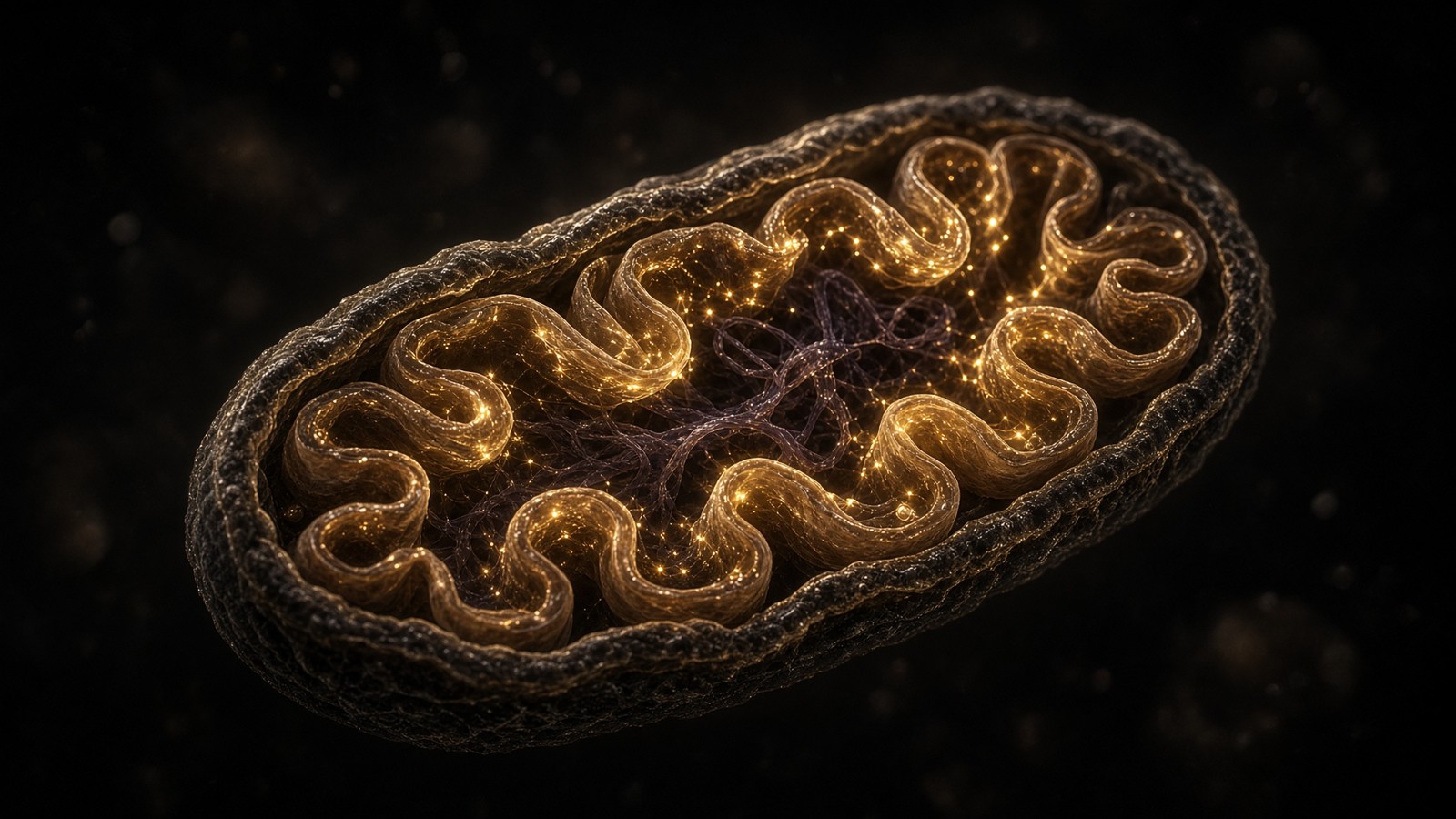
What restoration experiments actually show — and what they did not inject
The mouse literature is large enough to be a field, and it is not a cartoon. Yoshino, Mills, Yoon, Imai, Cell Metabolism 2011: NMN, diet- and age-induced diabetes, insulin sensitivity, a mitochondrial set of readouts. Gomes and the Sinclair laboratory's 2013 Cell paper on NMN and mitochondrial communication in ageing muscle — the paper that put the 'NAD+ restoration' sentence into the bloodstream of the popular press, with a PGC-1α/SIRT1/HIF-1α story that other labs have both used and argued with. Mills, Yoshino, Imai, Cell Metabolism 2016: twelve months of NMN in mice, body weight, energy expenditure, insulin sensitivity, plasma lipids, eye function, a panel rather than a single heroic endpoint. Das, Sinclair, Cell 2018: NMN and capillary density, SIRT1 in endothelium, an exercise-adjacent vascular phenotype in old mice. Canto, Auwerx: NR in mice, mitochondrial unfolded-protein response, a different lab, an overlapping metabolome. You can dislike a press release and still have to cite the figures. You cannot caption those figures with a fifteen-minute intramuscular NAD+ visit in Buckinghamshire. The mice drank a precursor. They did not book JP.
In short. In mice, NMN and nicotinamide riboside have moved insulin handling and some mitochondrial readouts in named papers. That is mouse work, with mouse routes.
David Sinclair's NMN mouse work exists. The translational rhetoric around it is contested. Both sentences are required, and we don't need a fandom to hold them. The 2013 Cell paper, the later Science and npj papers, the company-adjacent interviews, the book: a serious enzyme family and a serious cofactor were asked to carry a public story about reversing ageing that the human data have not yet earned. Other serious people — Imai, Brenner, Verdin, Auwerx, Baur — have kept publishing, often more quietly and with more attention to which drain is open. The useful position for a catalogue that sells the cofactor, and for a clinic that offers an intramuscular visit, is not to referee a personality dispute. It is to say: the mouse phenotypes are in print; the mechanisms (SIRT1, SIRT3, PARP1-sparing, CD38 as the age-NADase, NAMPT as bottleneck) are in print; the leap from a C57BL/6 mouse drinking NMN to a human clinical claim is a leap; the further leap from that claim to an intramuscular dinucleotide is a second leap. Leaps are where fields get sloppy. Read the figures. Read the doses. Read the route.
In short. One laboratory made NAD+ restoration famous, and the publicity ran ahead of the human evidence. The mouse figures are still in print. A press tour is not a route.
Human NR trials are smaller and more mixed, which is what you should expect when you perturb a node this central in an animal that also has a diet, a sleep schedule and a CD38-positive immune system. Trammell, Brenner, Nature Communications 2016: oral NR is bioavailable, the NAD+ metabolome moves, NAAD is a marker. Martens, Seals, Nature Communications 2018: NR in healthy middle-aged and older adults, blood pressure and aortic stiffness as the endpoints that moved in that cohort, a modest study, a real vascular conversation. Elhassan, Philp, Cell Reports 2019: NR in aged men, skeletal-muscle NAD+ metabolome up, a set of circulating inflammatory cytokines down, mitochondrial function in muscle not dramatically remodelled. Other trials have moved the metabolome and left VO2 max, insulin sensitivity and strength where they were. That pattern is information. You can fill a pool and not own the phenotype the pool sits under. Promising otherwise skips the tables. Captioning those tables with an intramuscular NAD+ appointment skips the route. Oral nucleoside. Muscle depot. Different curves.
In short. In people, nicotinamide riboside often changes NAD+ metabolites. Blood pressure moved in one study. Fitness and insulin numbers often have not.
Yoshino, Yoshino, Imai, Klein, Science 2021 is the human NMN paper a careful methods line actually has to cite, because it is a controlled trial rather than a metabolome anecdote. Prediabetic women, postmenopausal, NMN for ten weeks, hyperinsulinaemic–euglycaemic clamps — the gold-standard insulin-sensitivity assay, not a fasting insulin tweet. Skeletal-muscle insulin sensitivity improved; liver and adipose insulin sensitivity, in that study, did not. The effect was modest, the cohort was specific, and the paper did not claim to have reversed ageing. That is what honesty looks like at this node. Other human NMN studies are smaller still, some industry-adjacent, some reporting NAD+ metabolome changes and some reporting well-being scores that a clamp would not recognise. Dose, duration, sex, menopausal status, baseline NAD+, and whether anyone measured CD38: the covariates are the story. A catalogue that sells β-NAD+ for the bench has no business inflating this trial into a protocol. A clinic that offers IM NAD+ has no business captioning the clamp as the appointment. The trial was oral NMN in a named cohort. Read it as written.
In short. A 2021 human NMN trial used a proper insulin clamp in prediabetic women and found a modest improvement in muscle, not in liver or fat.
Pellagra is the historical control, and it belongs in a restoration heading so that niacin does not get forgotten. Goldberger, the South, a diet of maize, four Ds: dermatitis, diarrhoea, dementia, death. Nicotinic acid and nicotinamide cure pellagra because they refill a NAD+ pool that was empty from the dietary side. That is a deficiency disease, a vitamin, a public-health victory. Ageing is not pellagra. Aged tissue is not a population with no niacin. The pool falls, in specific tissues, for reasons of drain and of NAMPT, against a dietary background that would have kept Goldberger's patients well. Treating ageing-NAD+ as a vitamin deficiency is how a serious salvage map becomes a supplement aisle. Treating an intramuscular NAD+ visit as the pellagra victory rewritten for a birthday is the same mistake in a nicer chair. Treating supplements as irrelevant is how you forget that NR and NMN do move human metabolomes. The clinical gap is the gap between pellagra, a clamp in a prediabetic woman, and a fifteen-minute depot in a deltoid. Hold all three ends.
In short. Niacin cures pellagra because that is a true vitamin deficiency. Ageing is not pellagra. A muscle injection is not the pellagra victory either.
Why a central node can move without owning the phenotype is not a mystery, and it is not a scandal. NAD+ sits under redox metabolism, under sirtuin programmes, under PARP repair, under CD38-positive immune cells, under circadian NAMPT, under whatever the animal ate and whether it slept. Raise the pool and you have changed a denominator. The numerator is still the drain, the tissue, the receptor sheet, the mitochondria you actually have, the mtDNA heteroplasmy, the insulin receptor. Mouse rooms are 22 °C, which is cold for a clothed mouse and a chronic brown-fat stimulus; human rooms are not. Mouse NMN doses, scaled by body-surface area or by the number someone picked, are often higher than a capsule a person swallows, and they are a different molecule from the dinucleotide in a syringe. Strain is a variable. Microbiome is a variable. Route is a variable this clinic page is not allowed to skip. The restoration literature is at its best when it names those. It is at its worst when it treats a metabolome shift, or a diary slot, as a clinical endpoint. We will stay with the best.
In short. NAD+ sits under too many jobs for one top-up to fix a whole body. Mice are not people. A changed metabolite is not a changed life, and a diary slot is not a clamp.
What a 1000 mg research vial is actually for
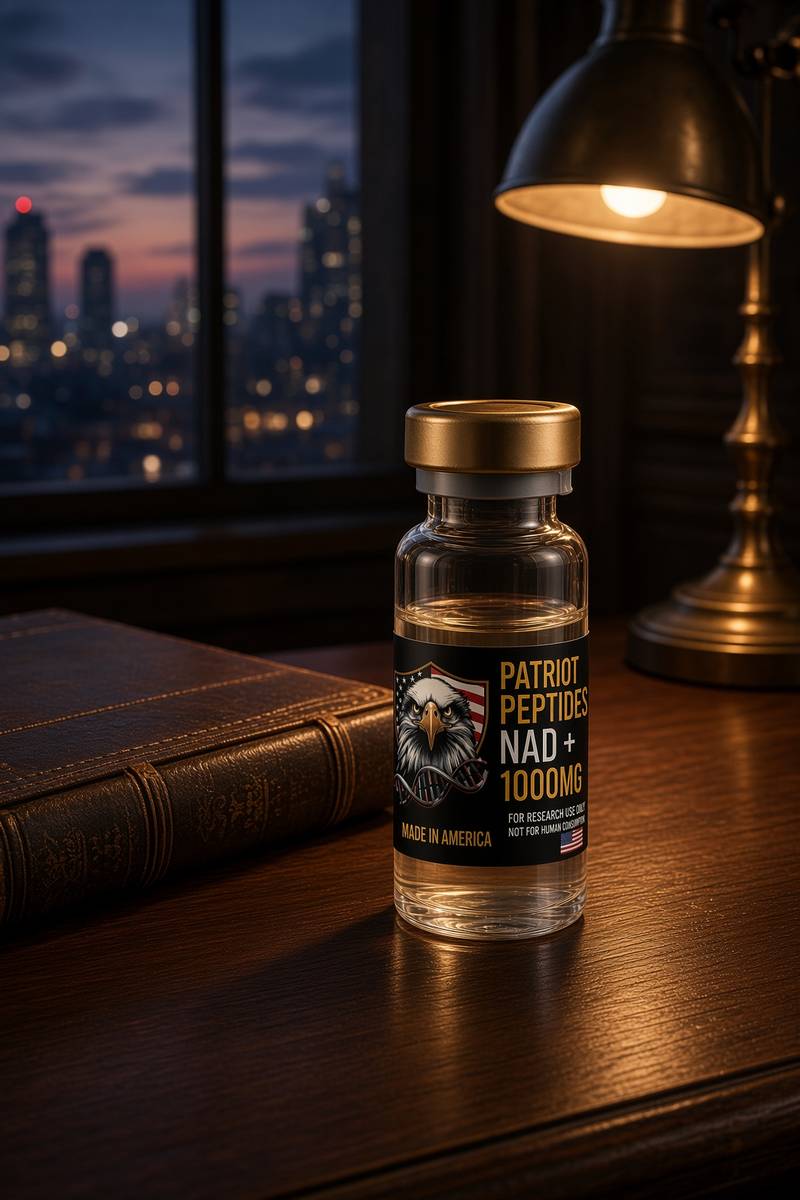
The catalogue listing is lyophilised β-NAD+, 1000 mg, ≥98% by HPLC, molecular weight 663.43, formula C21H27N7O14P2, CAS 53-84-9. A white to off-white cake in a vial, a certificate of analysis, a reconstitution kit. It is the same carbon skeleton every dehydrogenase, sirtuin and PARP paper names. It is a laboratory reagent. The form is the form you weigh into a sirtuin assay, a PARP assay, a cycling assay, a set of isolated mitochondria, a standard curve for LC-MS. Purity is a chromatogram, not a feeling. Water, light and freeze–thaw are the enemies of a nicotinamide nucleotide in solution; the lyophilised solid is how you store it. The 1000 mg size exists because cofactor assays are hungry. It does not exist as a substitute for a clinic injection, and the label says so in language even we find boring. None of those sentences is a dose, a route, or a schedule. Write down how many nanomoles went into a well before you start. The 1000 mg on the label is an aliquot for hungry assays, not a human serving.
In short. The vial is freeze-dried NAD+ for weighing into experiments. Purity lives on a chromatogram. That is a laboratory chemical, not a dose.
Decide what you are measuring before you thaw the cake. Total NAD(H) is a pool size. The NADH/NAD+ ratio is a redox state. They can move in opposite directions. A cycling assay (alcohol dehydrogenase, or a commercial kit built on the same idea) reports a number from a homogenate and is only as good as the extraction; acid extraction destroys NADH and keeps NAD+, alkali the reverse, and people have been getting that wrong since the 1960s. LC-MS, with 13C internal standards, is how a metabolome paper earns the word metabolome: NAD+, NADH, NADP+, NADPH, NMN, NR, nicotinamide, NAAD, ADP-ribose, a family. NADPH is not NADH. The extra phosphate on the adenosine ribose is a different pool, anabolic, pentose-phosphate, glutathione reductase, and confusing the two is a way to ruin a figure. Biosensors — SoNar, Peredox, LigA-based probes, matrix-targeted variants — give you ratio in a living compartment. Pick one, and write which one. The cake on the shelf is for those assays. It is not for a deltoid, and it does not become more suitable for a deltoid if you add bacteriostatic water and a confident caption.
In short. Say whether you measured how much NAD+ there is, or how much of it is loaded. Freeze fast. Write the time point.
Name the machines, because 'we measured NAD+' doesn't tell you which pool you saw, and 'we injected NAD+' isn't a mitochondrial paper by itself. A plate reader at 340 nm is the undergraduate cycling assay. A mass spectrometer — Q Exactive, TQ-XS, whatever your core actually has — with a HILIC or a porous-graphitic-carbon method is how you separate the family. A Seahorse XF, or an Oroboros O2k if you are serious about isolated mitochondria, is oxygen consumption, the Complex I invoice. A Clark electrode still works. TMRM or rhodamine dyes for membrane potential, with FCCP and oligomycin as the brackets. Westerns for SIRT1, SIRT3, NAMPT, CD38, PAR, PGC-1α, acetyl-p53, acetyl-SOD2. qPCR for the PGC-1α targets if biogenesis is the claim. Pharmacological controls name the hole: FK866 for NAMPT, olaparib for PARP1, 78c for CD38. None of that is glamorous. All of it is how you stop a cofactor essay becoming a mood. The cake is the standard those assays need. The appointment is not those assays done in a person. If a clinic protocol wants to become a paper, it needs these machines, these controls, and a statistician, not a reconstitution of a research listing.
In short. Name the machine: a mass spectrometer for metabolites, an oxygen-consumption instrument for mitochondria. The vial is a standard for those assays.
One carbon skeleton. Two jobs.
eLIVEate is a separate company. The intramuscular NAD+ appointment on JP's diary is a supervised administration of a clinic-compounded or licensed preparation, with a consent form and a clinician, a sterility file that belongs to that preparation, and a pharmacokinetic experiment that starts in a muscle belly. Patriot's 1000 mg cake is lyophilised β-NAD+ for the bench, characterised for identity and purity, labelled for laboratory work, with a reconstitution kit meant for a tube. Those two objects do not share legal class, sterility file or pharmacokinetics. One is a lousy shortcut to the other. Same carbon skeleton. Different product, different company, different regulator's attention. Patriot Peptides does not take a commission on the booking, does not write the appointment as a reconstitution of the catalogue cake, and does not pretend the two legal objects share a file. Adults can want both a paper and an appointment. Bundling them is how a research reagent becomes a medical claim it is not allowed to be, and how a clinic becomes a webshop it is not. It will not be repeated as a refrain. The physiology above does not depend on it. The labels do.
In short. Same carbon skeleton on a whiteboard. Different law, different sterility file, different pharmacokinetics. Do not treat one as a packaged version of the other.
Partner clinic, then, in the ordinary sense: a postcode-adjacent curiosity we actually like, a clinician who owns the energy settings and the consent, a diary we do not take a cut of. GHK-Cu next to NEOGEN, KPV next to CELL STORY, BPC-157 next to Dermalux, lyophilised β-NAD+ next to the intramuscular visit: those are reading lists, not bundles. The peptides-and-procedures map on this desk is the index. This page is the NAD+ entry, written at the length the unmix actually needs. JP paints the appointment. We weigh the cofactor. Different rooms, different paperwork, and we keep them that way because that is how you stay employable. A person who has read Camacho-Pereira, Trammell and Yoshino, and who still wants a fifteen-minute intramuscular visit, is allowed to want it. A person who wants a sirtuin assay is allowed to want the cake. What neither person is allowed, by chemistry or by the label, is to treat the one as a cleverly packaged version of the other. Neighbourhood is a courtesy on a reading list. It is not a combination claim, and it is not a reconstitution protocol.
In short. The clinician owns the appointment. The catalogue owns the reagent. Adults can want both. Bundling them is how labels get into trouble.
Diagram
| Node | Catalogue | Conversation |
|---|---|---|
| GPCR | Ipamorelin, MT2, PT-141, retatrutide, CJC | Second messengers, secretion, appetite, pigment |
| RTK / IGF1R | IGF-1 LR3 | IRS–PI3K–Akt–mTOR and Shc–ERK |
| Cytokine receptor | Somatropin (HGH) | GHR–JAK2–STAT5b, hepatic IGF-1 |
| Cofactor | NAD+ | Sirtuins, PARPs, CD38, redox |
| Actin buffer | TB-500 / Tβ4 motif | G-actin sequestration, motility |
| Growth-factor-like | BPC-157 | VEGFR2 / FAK / eNOS neighbourhood |
| Copper ligand | GHK-Cu | Transcriptome shift in fibroblasts |
| MC fragment | KPV | NF-κB, PepT1, no pigment |
| Nuclear / pineal | Epithalon (AEDG) | TERT and melatonin literatures |
| mtORF peptide | MOTS-c | AMPK, folate–methionine cycle |
Each row is a different kind of molecular conversation. The catalogue peptides bind at these nodes; they are not interchangeable, and stacking them because a forum did mixes unrelated literatures.
- Name the object: clinic-compounded intramuscular administration, or lyophilised β-NAD+ for a tube.
- Name the pool: total NAD(H), NADH/NAD+ ratio, or a named precursor. NADP(H) is a different nucleotide.
- Name the compartment: cytosol, nucleus, matrix. A homogenate is a scout. A deltoid depot is extracellular.
- Name the drain: sirtuin client, PAR polymer, CD38 protein or activity. FK866, a PARP inhibitor, a CD38 tool.
- Name the refill: NAMPT, NRK, NMNAT isoform. Rescue with NR if you blocked NAMPT. Intact NAD+ is not that rescue.
- Name the mitochondrial invoice if you claim one: OCR, Δψ, acylcarnitines, SIRT3 clients. Not a kit alone, and not a diary slot alone.
Close: a cofactor, an appointment, a catalogue
The node is conserved, which is the only reason a yeast silencing gene, a worm lifespan paper, a mouse clamp, a human metabolome and a Buckinghamshire diary can sit in one essay without being a collage. SIR2 spent NAD+ in Saccharomyces. The seven mammalian sirtuins still do. PARP1 is a eukaryotic elaboration on a break. CD38 is a vertebrate NADase that ageing and inflammation both write. NAMPT is the bottleneck a mammal actually lives on. NRKs let a nucleoside walk around it. Complex I has wanted oxidised NAD+ since there was a proton-motive force to build. You can run this argument in a bacterium, with different names, and the hydride at nicotinamide C4 will still be the chemistry. Conservation is not a licence to treat a mouse figure as a human protocol, and it is not a licence to treat a human oral-precursor table as an intramuscular appointment. It is a licence to take the biochemistry seriously enough to measure it, in the organism you have, with the controls the drains require, and to keep the two products on this page from collapsing into a SKU. The popular story got loud because the node is central.
In short. From yeast to humans, cells spend this cofactor to silence genes, flag broken DNA, and run mitochondria. A mouse result is not automatically a clinic visit.
The public papers are the reading list, and they are short enough to actually read. Imai and Guarente, Nature 2000, SIR2 as an NAD+-dependent deacetylase. Revollo, Imai, JBC 2004, NAMPT as the mammalian bottleneck. Bieganowski and Brenner, Cell 2004, NR as a vitamin. Camacho-Pereira, Chini, Verdin, Cell Metabolism 2016, CD38 as the age-NADase. Massudi, 2012, the human-skin number. Yoshino, Imai, Cell Metabolism 2011, NMN in diabetic mice. Trammell, Brenner, Nature Communications 2016, NR in humans. Yoshino, Klein, Science 2021, NMN and a clamp in prediabetic women. Kory, Mootha, Nature 2020, SLC25A51 as the mitochondrial NAD+ transporter. Rich, 2003, so the ATP scale stays honest. Kraus and Berger on PARP, so the minutes-scale drain stays in the picture. Lee, Cohen, Cell Metabolism 2015, MOTS-c, so the neighbourhood stays named. That is a fortnight of evenings, not a guru. The restoration headlines will still be there when you come back, and they will look smaller. The appointment will still be a fifteen-minute slot. The cake will still be a cake.
In short. A short stack of named papers covers the enzyme, the bottleneck, the age-linked leak, the mouse work and the human clamps. Read those before any headline.
What you should leave with is a topology, not a shopping list. NAD+ is a hydride carrier at nicotinamide C4, and that is still most of the pool's day. Sirtuins, PARP1 and CD38 spend it, one molecule at a time. The pool falls with age as CD38 rises. NAMPT salvages. NR and NMN feed. Mitochondria notice first because Complex I and SIRT3 both sit on the pool, and because the matrix is not in free exchange with the rest of the cell. Mice, given NMN or NR, show metabolic and vascular phenotypes that are in print. Humans, given NR or NMN, show metabolome shifts that are in print and clinical endpoints that are mixed. Intact extracellular NAD+ is a poor membrane passenger and a substrate for ecto-NADases. The 1000 mg cake is lyophilised β-NAD+ for the assays that topology demands. The appointment at another company is a fifteen-minute intramuscular visit on a clinician's diary. MOTS-c is a different object on the same campus. If your experiment needs the cofactor, weigh it, quench it, and name the drain. If it needs a precursor, the precursor papers are cited above. If it needs a clinic visit, book the clinic visit.
In short. Leave with the map: electron carrier, three spends, one bottleneck, a muscle appointment, a freeze-dried standard. Do not collapse the last two.
Ageing, on this node, is a budget that started to leak faster than it was refilled. CD38 up, NAMPT down in some tissues, PARP1 busier in a genome that has had more years to be nicked, sirtuins still trying to deacylate a proteome that is more acetylated than it was. That sentence is a research programme, not a diagnosis or a booking instruction. The programme runs on HPLC-characterised reagents, on mice whose age you state, on clamps rather than well-being scores, and on a willingness to publish the trial that did not move the endpoint. We will keep the cofactor on the shelf at a serious aliquot because that programme is real and because the molecule it spends is not a mystery. eLIVEate will keep offering a supervised intramuscular visit because a clinician owns that practice and a person is allowed to want it. We will not write your discussion section, and we will not write JP's consent form. The currency of cellular time is a dinucleotide. Time, in a cell, is also telomeres and proteostasis and mtDNA heteroplasmy and a hundred other clocks. This one you can weigh. The other you can book. Weighing is not booking.
In short. Ageing on this node looks like a budget leaking faster than it is refilled. That is a research programme, not a booking instruction.
You can read the biochemistry and book a clinic visit without anyone turning one into a protocol for the other. That is the only adult arrangement this page is for. The hydride at nicotinamide C4 does not care which room you are in. The label does. The sterility file does. The pharmacokinetic curve does. Handed this page and asked which object to use, you should be able to answer in a sentence: the cake for the assay, the diary for the appointment, the precursor papers for the intracellular pool, and none of them as a clever substitute for the others. If that sentence feels like less than the publicity promised, the publicity promised a shortcut the membrane does not permit. Related carbon skeleton. Different job. The longer NAD+ essay is next door if you want more of the redox map. The sirtuin essay is next door if you want the deacylase family. The procedures map is next door if you want the four clinic objects in one index. This page was the unmix. Keep it.
In short. You can read the biochemistry and book a clinic visit without anyone turning one into a protocol for the other. That is the adult arrangement.
Research-use-only. Not for human consumption / not a medicine. The lyophilised β-NAD+ on this listing is a laboratory reagent, HPLC-characterised at ≥98 percent, labelled for in-vitro work: a standard curve, a sirtuin tube, a PARP assay, a set of isolated mitochondria whose oxygen consumption you actually record. The physiology in the paragraphs above is public, cited, and older than the vial. Use it to design the experiment you have the controls for, with the drain named, the compartment named, and the time point written down. The intramuscular appointment, where you want it, is eLIVEate's object, under eLIVEate's governance, on JP's diary. Read Imai, read Verdin, read Brenner, then weigh the cake, or book the slot, or do neither. We will sell you the cofactor. We will not tell you it is a currency you can deposit in a deltoid and draw as youth. Cellular time is a set of rates. This rate you can measure, in a tube, with a chromatogram on the bench beside it. The other rate, if it exists in a muscle belly, is a clinic's to own and a paper's to earn.
In short. The vial is a research chemical for experiments, not a medicine. The appointment is the clinic's. Weigh the first. Book the second, or do not.
Questions the essay actually answers
- Can the research vial replace a clinic NAD+ appointment?
- No. The vial is a freeze-dried cofactor for laboratory assays. The clinic plan is an in-person injection of a prepared solution under eLIVEate's governance. We sell the first. We don't take a cut of the second.
- If NAD+ falls with age, why not just inject it?
- Intact NAD+ crosses membranes poorly and is a substrate for ecto-NADases, CD38 among them — chopping enzymes sitting on the outside of cells. Precursor salvage (NR, NMN, nicotinamide) is how most restoration papers actually raise the intracellular pool. Injection is a different pharmacokinetic experiment, which is why the clinic protocol and the oral-precursor literature don't substitute for each other.
- What number should I remember?
- Human skin NAD+ has been measured at roughly half, in older adults, of young-adult levels, with CD38 as a major age-related drain. That's the budget Massudi and Camacho-Pereira were pointing at. It isn't a dosing instruction.
- What is the 1000 mg vial actually for?
- Lyophilised β-NAD+, ≥98% HPLC, for in-vitro assays, standard curves and isolated-organelle work. Cofactor assays are hungry; that is why the aliquot is a gram. It is not a human serving and not a reconstitution of JP's syringe.
- Is intramuscular NAD+ the same experiment as oral NR or NMN?
- No. NR and NMN are precursors with published human metabolomes (Trammell 2016; Yoshino, Science 2021). Intact NAD+ is the charged dinucleotide, a poor membrane passenger, hydrolysed by ecto-enzymes. Three rungs, three experiments, three files.
- Why does the NAD+ pool fall with age?
- Consumption outruns salvage in specific tissues. PARP1 can drain the pool after DNA damage; CD38 is an age- and inflammation-associated NADase (Camacho-Pereira, Verdin, Cell Metab 2016); NAMPT, the kinetic bottleneck of salvage, often falls. Supply and demand, not a vitamin-deficiency story.
- Do sirtuins consume NAD+?
- Yes. SIRT1–7 are NAD+-dependent lysine deacylases. One NAD+ is spent per lysine; nicotinamide and O-acyl-ADP-ribose are released. That is Imai and Guarente, Nature 2000, still the sentence. They do not redox-cycle the cofactor. They spend it.
- What did human NR and NMN trials actually show?
- The metabolome often moves (Trammell, Brenner, 2016 for NR). Clinical endpoints are mixed: a vascular signal in one NR cohort (Martens, 2018); muscle insulin sensitivity, modest, in prediabetic women on NMN with a clamp (Yoshino, Science 2021). An intramuscular NAD+ visit is not those trials.
- How is MOTS-c related to in-clinic NAD+?
- Neighbourhood, not identity. MOTS-c is a 16-mer (MRWQEMGYIFYPRKLR) translated from mitochondrial 12S rRNA (Lee, Cohen, Cell Metab 2015) and sits on AMPK. NAD+ is the hydride coin Complex I and SIRT3 spend. The appointment is a clinic object. Three jobs, not a bundle.
- Is this a supplement or a medicine?
- The listing is a characterised laboratory solid for the assays on this page. The appointment is an in-person medical-aesthetic service on eLIVEate's diary. Pellagra was a niacin-deficiency disease; ageing is not pellagra. Neither object on this page is a vitamin-deficiency cure.
Hypothetical research reconstitution
How this vial is typically mixed
Hypothetical research reconstitution for the named catalogue vial. Not a protocol, not medical advice, not a use instruction. These amounts sit in published and commonly cited laboratory ranges. The vial is labelled for research use only — not for human or veterinary administration.
NAD+
1000mg
Mix with 10 ml bacteriostatic water → 100 mg/ml
- Hypothetical aliquot
- 50–100 mg
- 0.50–1.00 ml · 50–100 units on a U-100 syringe
- How often
- Two or three times per week in published infusion and assay notes
- 4–8 weeks, then a pause
Bench steps
- Let the vial sit until it is no longer cold to the touch.
- Wipe the stopper with 70% isopropyl alcohol. Let it dry.
- Draw 10 ml bacteriostatic water (0.9% benzyl alcohol).
- Run the water slowly down the inside glass — do not blast the cake.
- Roll between finger and thumb until the cake is gone. Do not shake.
- Label the date. Store the solution at 2–8 °C. Do not freeze. Use within 30 days unless the note below says otherwise.
A 1000mg cake wants 10 ml. Protect from light. Solution yellows as it oxidises — that is the cofactor dying, not a flavour. Use promptly.
Bacteriostatic water and sterile syringes ship with peptide orders over £75. Kit details · 10 ml bacteriostatic water
The molecule in the essay
The same published structure the essay describes — HPLC-characterised.
Partner clinic
NAD+ in clinic at eLIVEate Me
Great Missenden, Buckinghamshire. Book on their diary. We take no commission.
Prices and booking for NAD+ in clinicRead next
49 min · long read · Peptide research
NAD+: the currency of cellular time
NAD+ is nicotinamide adenine dinucleotide, the hydride coin Complex I wants oxidised and the stoichiometric substrate sirtuins, PARP1 and CD38 spend. Salvage through NAMPT is the kinetic bottleneck; the pool falls with age. Restoration in mice moves muscle, endothelium and stem-cell assays; human NR and NMN trials more often move the metabolome than a hard clinical endpoint. This essay is that topology, the named papers, and why a 1000 mg cake of lyophilised β-NAD+ is a laboratory reagent rather than an infusion.
50 min · long read · Peptide research
Sirtuins, caloric restriction and the NAD+ budget
Yeast SIR2, worm daf-16, mouse SIRT1 — a conserved story about spending NAD+ to deacylate the proteins that decide whether a cell is in famine or feast. The cofactor is the budget. We stock it at 1000mg.
49 min · long read · Clinic
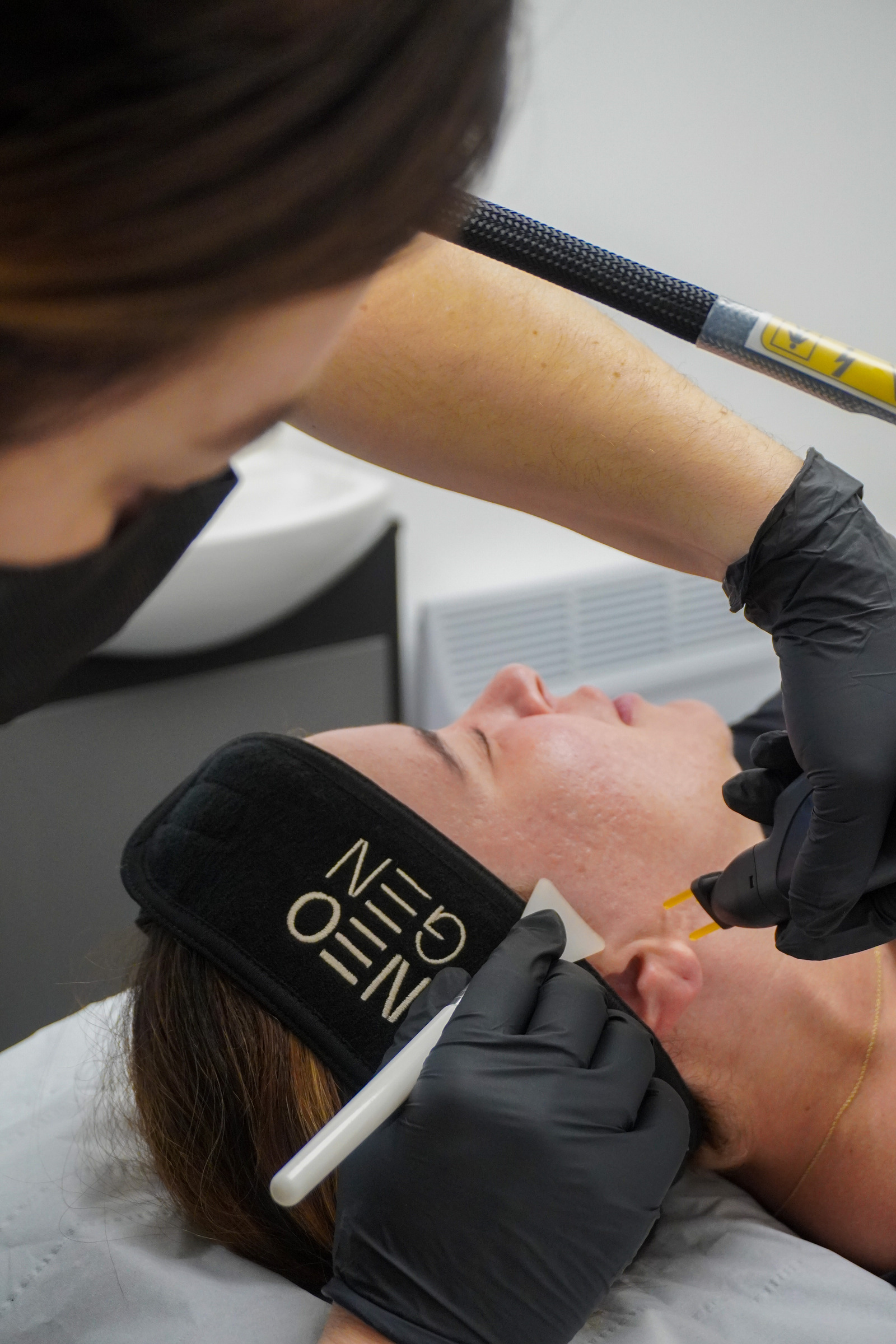
Peptides and aesthetic procedures: a map, not a protocol
NEOGEN, CELL STORY, Dermalux and in-clinic NAD+ at eLIVEate Me — four procedures, four neighbouring peptide literatures. Read the map. It is not a bundle.
More in this desk

50 min · long read · Clinic
CELL STORY liquid microneedling: 50,000 Microspears, no needle gun
CELL STORY at eLIVEate Me in Great Missenden. Sponge Microspears open transient channels, stimulate collagen, and shed in 72 hours — microneedling without a gun.
47 min · long read · Clinic
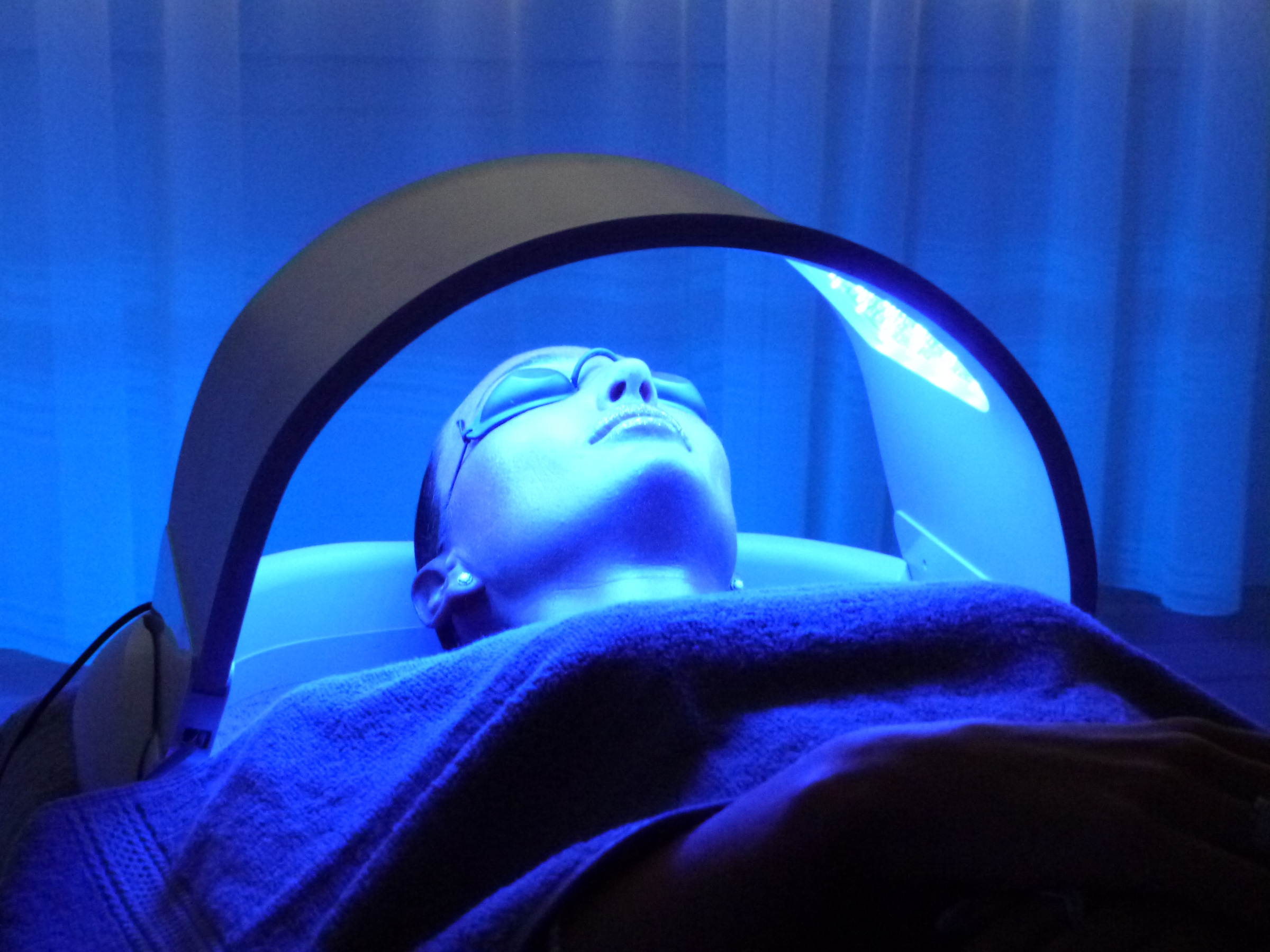
Dermalux LED phototherapy: light as a mitochondrial instruction
Dermalux LED in Buckinghamshire. Blue 415 nm hits acne bacteria; red 633 nm and near-infrared 830 nm talk to cytochrome c oxidase. A course of six is how repair accumulates.
45 min · long read · Clinic
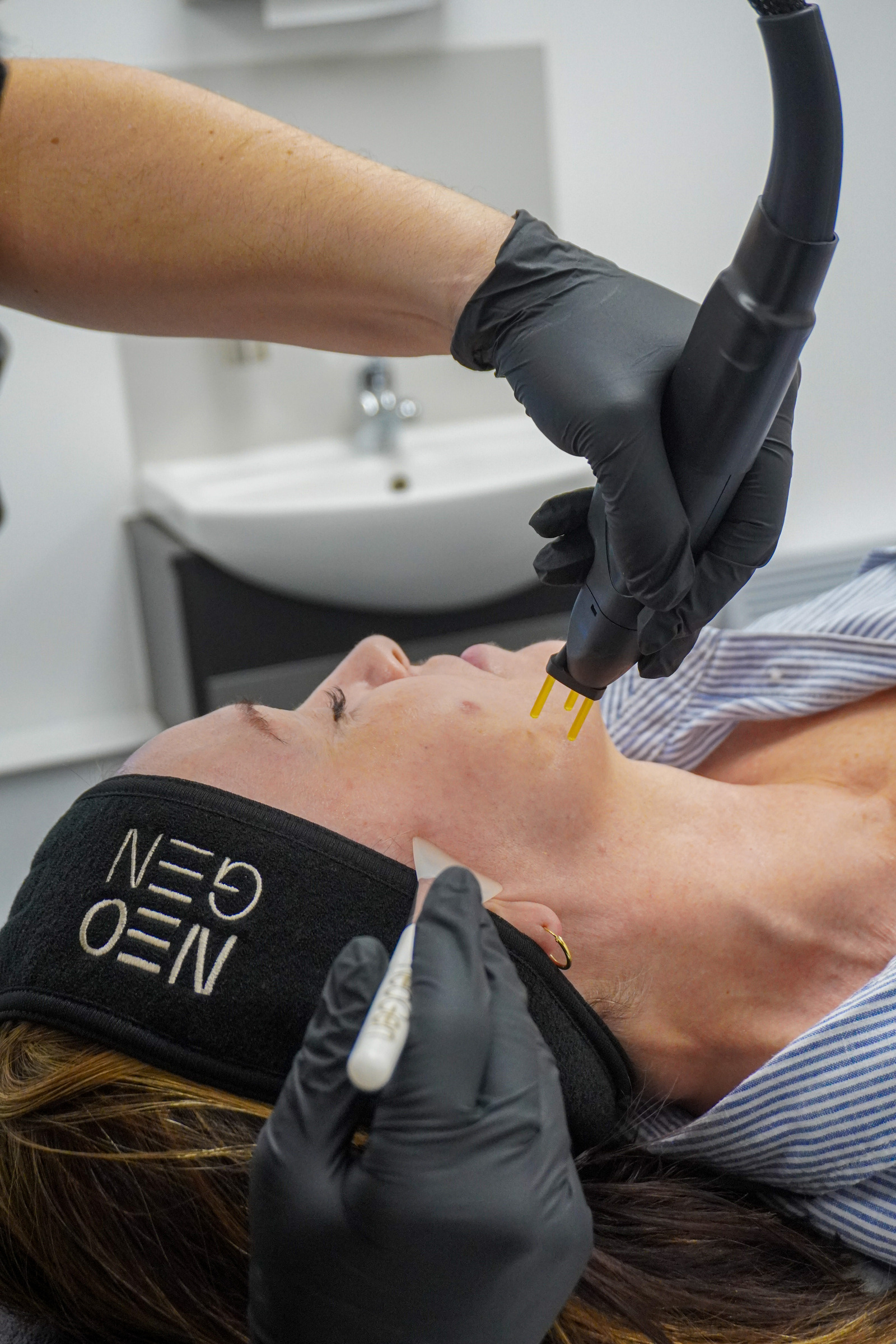
NEOGEN nitrogen plasma: what the energy actually does to skin
NEOGEN plasma at eLIVEate Me in Buckinghamshire. Nitrogen plasma denatures collagen without a laser chromophore. A course of three, then 90 days of rebuild.
Essays describe published research. They are not medical advice and they do not authorise human use of any catalogue item.