

Peptide research · 9 min · 1,939 words
Insulin: the first peptide medicine
Insulin is 51 amino acids, an A chain of 21 and a B chain of 30. Banting and Best isolated it in Toronto in 1921. GLP-1, tirzepatide and retatrutide are not insulin.
What this essay tells you
- Insulin is 51 amino acids, A chain 21 and B chain 30, with three disulfide bonds. Beta cells make it. Banting and Best isolated a working extract in Toronto in 1921.
- The cell first makes proinsulin, 86 residues, then cuts out a 31-residue C-peptide. Sanger sequenced insulin in the 1950s. Humulin, human insulin from bacteria, was licensed in the US on 28 October 1982.
- GLP-1, tirzepatide (LY3298176) and retatrutide (LY3437943) are not insulin. They ask the beta cell to release it. A research vial is not the 1922 extract and not Humulin.
What this means
Insulin is a hormone made in the pancreas, 51 amino acids long, in two chains. Banting and Best got a working extract in Toronto in 1921, and a 13-year-old boy received it in January 1922. The cell makes one longer chain first, then cuts out a middle piece called C-peptide. GLP-1 drugs and retatrutide are not insulin. They ask the pancreas to release insulin. A research vial is not the medicine licensed in 1982.
Insulin is a peptide of 51 amino acids. The pancreas makes it in the beta cell, and its job is to tell muscle, fat and liver that glucose has arrived. It was the first peptide medicine: a chain you could hold in a vial, with a sequence, a mass, and a patient whose blood sugar moved. Before 1922, type 1 diabetes was a wasting disease with a short clock. After the Toronto extract, it became a disease you could treat with a molecule. That is why every later peptide drug, including the incretins, is standing on this one.
In short. Insulin is 51 amino acids, made in the pancreas. It was the first peptide you could give as a medicine, and it changed diabetes from a short illness into a treatable one.
Toronto, 1921
Frederick Banting and Charles Best worked through the summer of 1921 in J. J. R. Macleod's laboratory at the University of Toronto. The idea was blunt. The pancreas both makes insulin and digests it, so if you tie off the ducts and let the digestive tissue waste, an extract of what remains might keep the hormone. J. B. Collip then cleaned that extract until it could be given more than once. On 11 January 1922 Leonard Thompson, aged 13, received the first injection at Toronto General Hospital. The preparation was impure, he reacted to it, and his sugar barely moved. On 23 January a cleaner extract dropped his blood glucose. Banting, Best, Collip, Campbell and Fletcher wrote it up that year in the Canadian Medical Association Journal.
In short. In 1921 a small Toronto lab made an extract of pancreas that lowered blood sugar. The first boy they treated, in January 1922, needed a cleaner batch before it worked.
The 1923 Nobel Prize in Physiology or Medicine went to Banting and Macleod. Best and Collip were not named. Banting split his prize money with Best, and Macleod split his with Collip. The argument about who did what has never really stopped, and it does not change the molecule. What changed medicine was an extract that lowered glucose in a child who was dying of the lack of it.
In short. The Nobel went to two of the four people in the room. The result that mattered was a child's blood sugar coming down.
Fifty-one letters, in two chains
Human insulin is not one string. It is two. The A chain is 21 residues, GIVEQCCTSICSLYQLENYCN. The B chain is 30, FVNQHLCGSHLVEALYLVCGERGFFYTPKT. Three disulfide bonds hold them: one inside the A chain, between cysteines 6 and 11, and two between the chains, A7 to B7 and A20 to B19. The mass is about 5,808 daltons. Frederick Sanger worked out that order in the early 1950s. Insulin was the first protein whose amino-acid sequence was known, and the 1958 Nobel Prize in Chemistry was for that work. Dorothy Hodgkin's group published the three-dimensional structure in 1969. Sequence first, shape after. That is the order the work earned.
In short. Insulin is two short chains, 21 and 30 letters, clipped together by three sulfur bridges. Sanger read the order in the 1950s. It was the first protein anyone had fully sequenced.
For decades the vials were animal insulin. Pig insulin differs from human insulin at one position, the last residue of the B chain. Beef insulin differs at three. They worked, because the receptor is forgiving of those few letters, and they were what you could extract from a slaughterhouse. The human sequence only became the ordinary medicine once bacteria could be instructed to make it.
In short. For years the medicine came from pigs and cattle. Pig insulin is almost the human chain, off by one letter. It worked well enough to carry the century.
It is made as one chain, then cut
The beta cell does not build the two chains separately and hope they find each other. Donald Steiner showed in 1967 that the cell first makes one longer chain, proinsulin. Human proinsulin is 86 residues: the B chain, a connecting peptide, and the A chain, with a few extra basic residues at the cuts. The connecting piece, the C-peptide, is 31 amino acids. Folding and the disulfide bonds happen while it is still one chain. Enzymes then cut the C-peptide out, and insulin and C-peptide leave the cell together, in the same amounts. A ribosome product is longer still. A signal peptide of 24 residues leads proinsulin into the endoplasmic reticulum and is removed. The hormone in the blood is the trimmed 51.
In short. The cell makes one long chain, folds it, then cuts out the middle. What you measure in blood is the two chains that are left, plus that discarded middle piece.
C-peptide is useful because of that cut. Injected insulin does not come with a C-peptide. Insulin from your own beta cells does. A C-peptide measurement is therefore a way to ask how much insulin a person is still making, without being fooled by insulin they were given. The half-life of insulin itself in the blood is short, on the order of five minutes, because liver and kidney clear it. The hormone is a pulse, not a bath. That is why replacement has always been a question of timing, and why a fatty-acid tail on a later incretin is a different trick: it makes a long-lived signal, not a copy of this five-minute pulse.
In short. Your own insulin arrives with a companion fragment called C-peptide. Injected insulin does not. Insulin itself only lasts a few minutes in the blood.
A tyrosine kinase, not an incretin
The insulin receptor is a receptor tyrosine kinase. It sits on the cell as a pair of pairs, two alpha subunits outside and two beta subunits crossing the membrane, and when insulin binds, the inside of the receptor phosphorylates itself and then a set of insulin-receptor substrates. That is a different machine from the receptors GLP-1 and GIP use. Those are class B G-protein-coupled receptors on the beta cell. They work through cyclic AMP, and they ask the beta cell to release insulin when glucose is already high. They are not insulin. Insulin lowers glucose whether or not you have just eaten. GLP-1 and GIP request insulin only in that high-glucose setting, and GLP-1 also slows the stomach and reduces appetite.
In short. Insulin docks on a kinase receptor and moves glucose into tissues. GLP-1 and GIP are different hormones. They ask the pancreas to release insulin when sugar is high.
Tirzepatide (LY3298176, the chain in Mounjaro) occupies the GIP receptor and the GLP-1 receptor. Retatrutide (LY3437943) occupies those two and the glucagon receptor as well. Glucagon is the other pancreatic peptide, 29 residues, from the alpha cell, and it pushes glucose out of the liver. None of these is the 51-residue insulin molecule. A trial mean for tirzepatide or retatrutide is a result about those engineered chains, in the people who were randomised, on that protocol. It is not an insulin result, and it does not rewrite 1922.
In short. Mounjaro and retatrutide copy gut hormones, not insulin. They are longer, engineered chains with a different receptor. Do not read their trial numbers as insulin numbers.
- The hormone
- 51
- Before the cut
- 86
- In the blood
- ~5 min
- The copied gene
- 1982
Amino acids in human insulin. A chain 21, B chain 30. Mass about 5,808 daltons.
Residues in proinsulin. The 31-residue C-peptide is removed, with the pairs of basic residues at the cuts.
Order of the half-life. Liver and kidney clear it. A pulse, not a week-long tail.
28 October. The US FDA licensed Humulin, human insulin made in bacteria. The first recombinant medicine.
From the slaughterhouse to a copied gene
Animal insulin carried patients for sixty years. The limit was supply, allergy in some people, and the fact that you were always one species away from the human sequence. In the late 1970s Genentech built a synthetic gene for the human chains and had bacteria express them. Eli Lilly scaled it. On 28 October 1982 the US Food and Drug Administration licensed Humulin. It was the first medicine made by recombinant DNA. The sequence in the vial could finally be the human sequence, letter for letter, without a pancreas from a pig. Later analogues (lispro, aspart, glargine, degludec) edit a few residues or add a tail so the rise and fall is faster or flatter. They are still insulin. They are still that receptor.
In short. In 1982 a human insulin gene, copied into bacteria, became a licensed medicine. Later insulins change a few letters so they act faster or last longer. They are still insulin.
Growth hormone is the other early peptide hormone people put beside this story. Somatropin is 191 residues, one chain, a different receptor, a different gland. It is not a long insulin. The incretins are not a long insulin either. What they share with insulin is the class: a defined amino-acid sequence, a mass you can check, a receptor you can name. What they do not share is the 1922 result, the 51-letter structure, or the tyrosine-kinase receptor.
In short. Growth hormone is a different peptide, 191 letters, from a different gland. Same kind of molecule, different job.
What a research vial is not
A lyophilised research vial of a published incretin sequence is a chemical with a chromatogram. It is not Humulin, it is not the Toronto extract, and it was not the arm in any insulin trial. Reading the insulin papers is the right use of them. Treating a research listing as if it had inherited insulin's licence, or insulin's dose, is a different claim, and it is not the one on the label. Laboratory research only. Not for human consumption.
In short. The insulin story belongs to insulin, the licensed medicine. A research vial of a different chain is a reagent. It is not that medicine.
Questions this essay answers
- What is insulin?
- Insulin is a peptide hormone of 51 amino acids made by beta cells in the pancreas. It signals muscle, fat and liver to take up and store glucose. Human insulin is two chains, 21 and 30 residues, linked by three disulfide bonds.
- Who discovered insulin?
- Frederick Banting and Charles Best isolated a working pancreatic extract in Toronto in 1921, in J. J. R. Macleod's laboratory, with J. B. Collip purifying it. Leonard Thompson, aged 13, received it in January 1922. The 1923 Nobel Prize went to Banting and Macleod.
- How many amino acids are in insulin?
- Human insulin has 51 amino acids: an A chain of 21 and a B chain of 30. The mass is about 5,808 daltons. Proinsulin, the single chain made first, is 86 residues, and a 31-residue C-peptide is cut out of it.
- Is retatrutide the same as insulin?
- No. Retatrutide is LY3437943, a triple agonist at the GLP-1, GIP and glucagon receptors. Insulin is the 51-residue hormone that acts on the insulin receptor, a tyrosine kinase. They are different sequences and different receptors.
- What is the difference between insulin and GLP-1?
- Insulin lowers blood glucose directly through its own receptor. GLP-1 is a gut hormone. It asks the beta cell to release insulin when glucose is high, and it also slows the stomach and reduces appetite. Tirzepatide and retatrutide are engineered relatives of those gut hormones, not of insulin.
- When was human insulin first made by recombinant DNA?
- The US Food and Drug Administration licensed Humulin on 28 October 1982. It was human insulin made in bacteria from a synthetic gene, and the first medicine produced by recombinant DNA. Genentech built the gene and Eli Lilly made the medicine.
Hypothetical research reconstitution
How these vials are typically mixed
Hypothetical research reconstitution for the named catalogue vial. Not a protocol, not medical advice, not a use instruction. These amounts sit in published and commonly cited laboratory ranges. The vial is labelled for research use only — not for human or veterinary administration.
Retatrutide
30mg
Mix with 3 ml bacteriostatic water → 10 mg/ml
- Hypothetical aliquot
- 1–2 mg to start; published trial arms ran higher by week
- 0.10–0.20 ml · 10–20 units on a U-100 syringe (at 1–2 mg)
- How often
- Once weekly
- The Jastreboff NEJM 2023 arms ran 48 weeks. That is a trial, not a shop protocol.
Bench steps
- Let the vial sit until it is no longer cold to the touch.
- Wipe the stopper with 70% isopropyl alcohol. Let it dry.
- Draw 3 ml bacteriostatic water (0.9% benzyl alcohol).
- Run the water slowly down the inside glass — do not blast the cake.
- Roll between finger and thumb until the cake is gone. Do not shake.
- Label the date. Store the solution at 2–8 °C. Do not freeze. Use within 30 days unless the note below says otherwise.
LY3437943 architecture. Weekly, not daily. Those milligram figures are what the papers used on the investigational medicine — they are not a use instruction for this reagent.
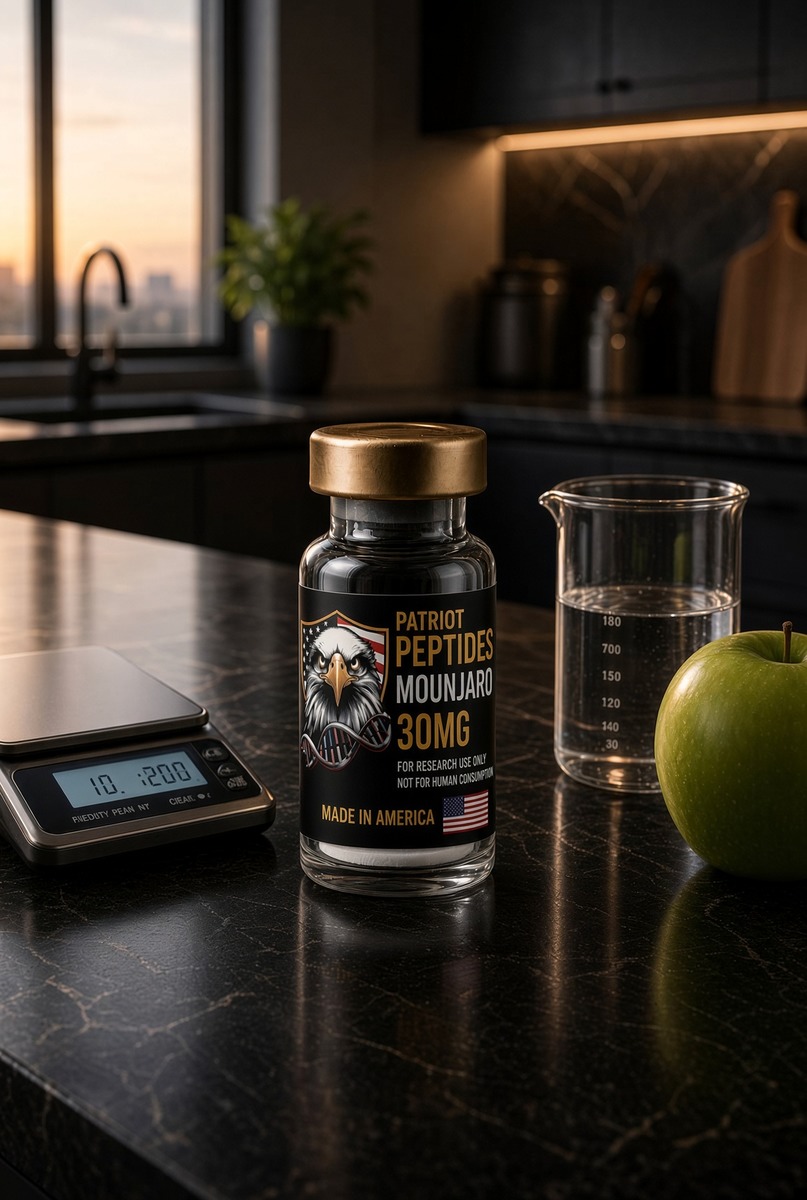
Mounjaro
30mg
Mix with 3 ml bacteriostatic water → 10 mg/ml
- Hypothetical aliquot
- The SURMOUNT arms used 5, 10 and 15 mg
- At 10 mg/ml those amounts are 0.50, 1.00 and 1.50 ml
- How often
- Once weekly in the published trials
- SURMOUNT-1 ran 72 weeks.
Bench steps
- Let the vial sit until it is no longer cold to the touch.
- Wipe the stopper with 70% isopropyl alcohol. Let it dry.
- Draw 3 ml bacteriostatic water (0.9% benzyl alcohol).
- Run the water slowly down the inside glass — do not blast the cake.
- Roll between finger and thumb until the cake is gone. Do not shake.
- Label the date. Store the solution at 2–8 °C. Do not freeze. Use within 30 days unless the note below says otherwise.
Mounjaro 30mg. Tirzepatide, LY3298176. The milligram figures are what the papers used. They are not a use instruction for this vial.
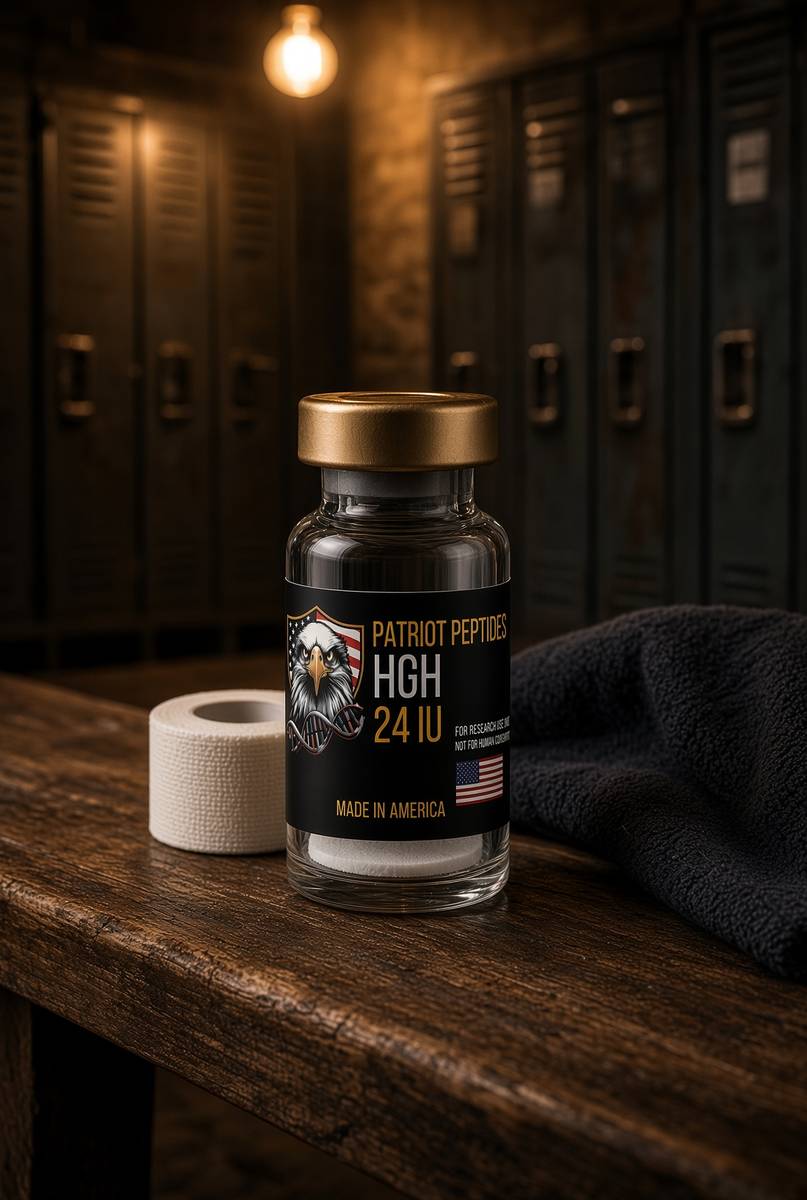
HGH
24 IU
Mix with 2 ml bacteriostatic water → 12 IU/ml
- Hypothetical aliquot
- 1–2 IU
- 0.08–0.17 ml · 8–17 units on a U-100 syringe
- How often
- Once daily, usually an evening aliquot in the somatropin notes
- 8–12 weeks, then a pause
Bench steps
- Let the vial sit until it is no longer cold to the touch.
- Wipe the stopper with 70% isopropyl alcohol. Let it dry.
- Draw 2 ml bacteriostatic water (0.9% benzyl alcohol).
- Run the water slowly down the inside glass — do not blast the cake.
- Roll between finger and thumb until the cake is gone. Do not shake.
- Label the date. Store the solution at 2–8 °C. Do not freeze. Use within 30 days unless the note below says otherwise.
24 IU in 2 ml. Two IU is about 17 units on the syringe. Gentle roll only — somatropin denatures if you beat it.
Bacteriostatic water and sterile syringes ship with peptide orders over £75. Kit details · 10 ml bacteriostatic water
The vials this essay sits on
Named sequences the essay maps: Retatrutide, Mounjaro, HGH. Hypothetical research neighbourhood, not a protocol, not a medicine. One press puts every in-stock vial in the bag.
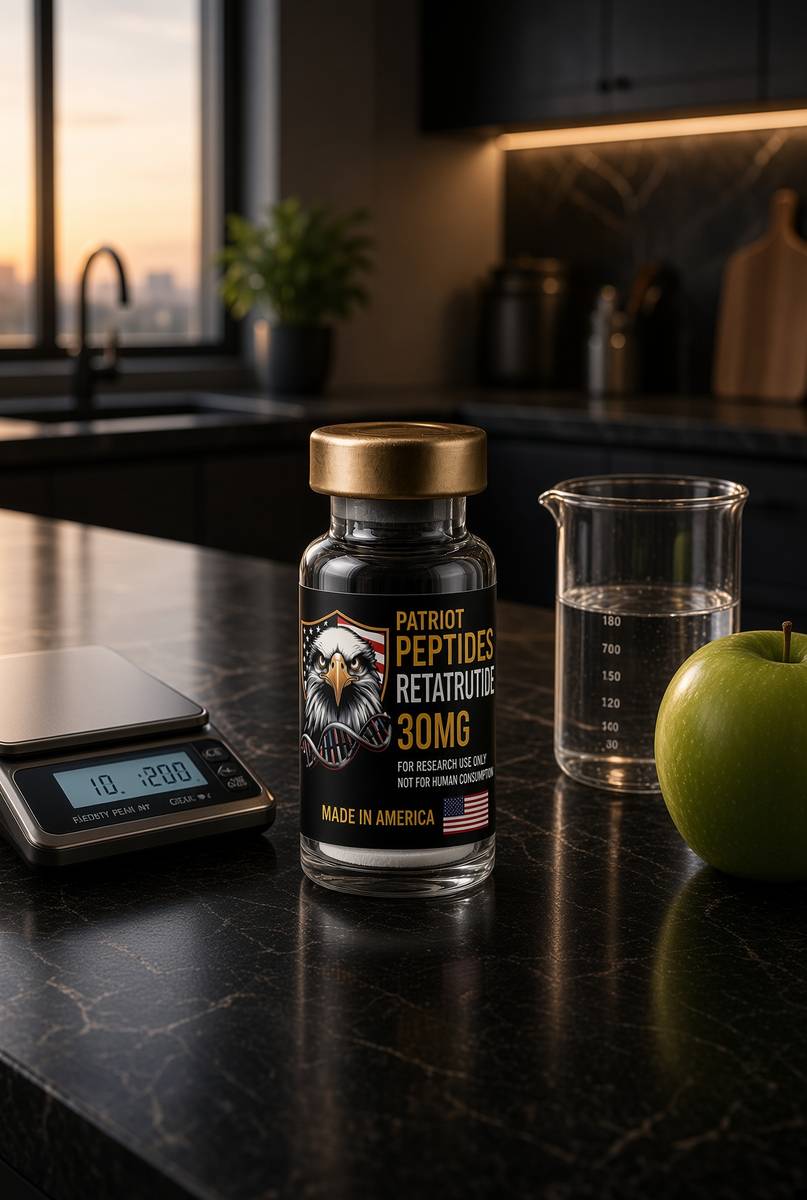 Made in USA
Incretin
Retatrutide
One chain that copies three hormones you release after a meal: fullness, insulin, and how the liver spends fuel.
4.6(609)
8 browsing this now · 3 purchased in the last 24 hours
30mg · In stock
£120.00
 Research only
 Research only
Research use only. Not a combined-use instruction.
Read next
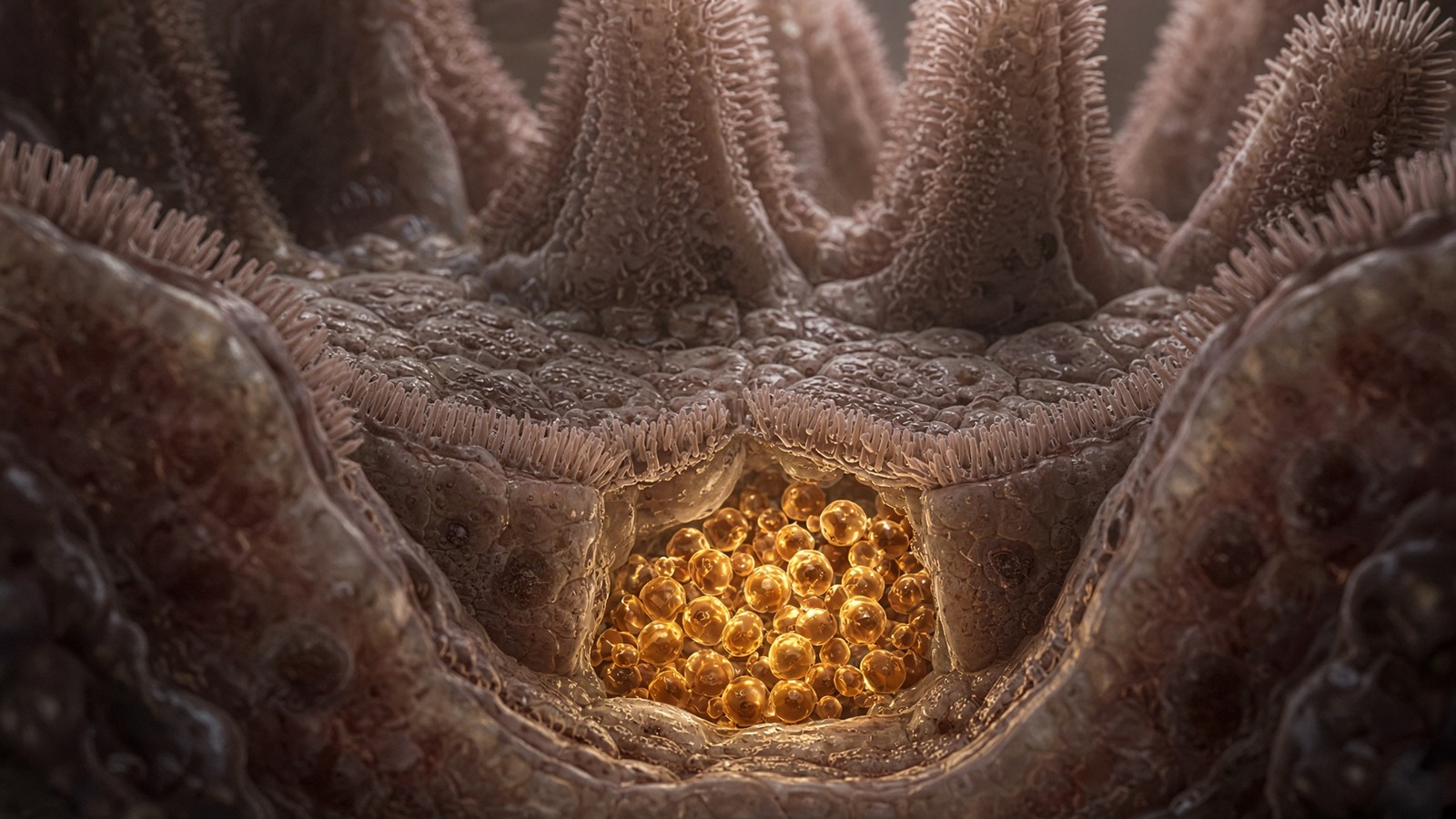
48 min · long read · Peptide research
From secretin to retatrutide: a century of gut hormones
Bayliss and Starling named the first hormone in 1902. A hundred and twenty years later a single American-made chain occupies GIP, GLP-1 and glucagon at once. The through-line is the gut talking to the pancreas.
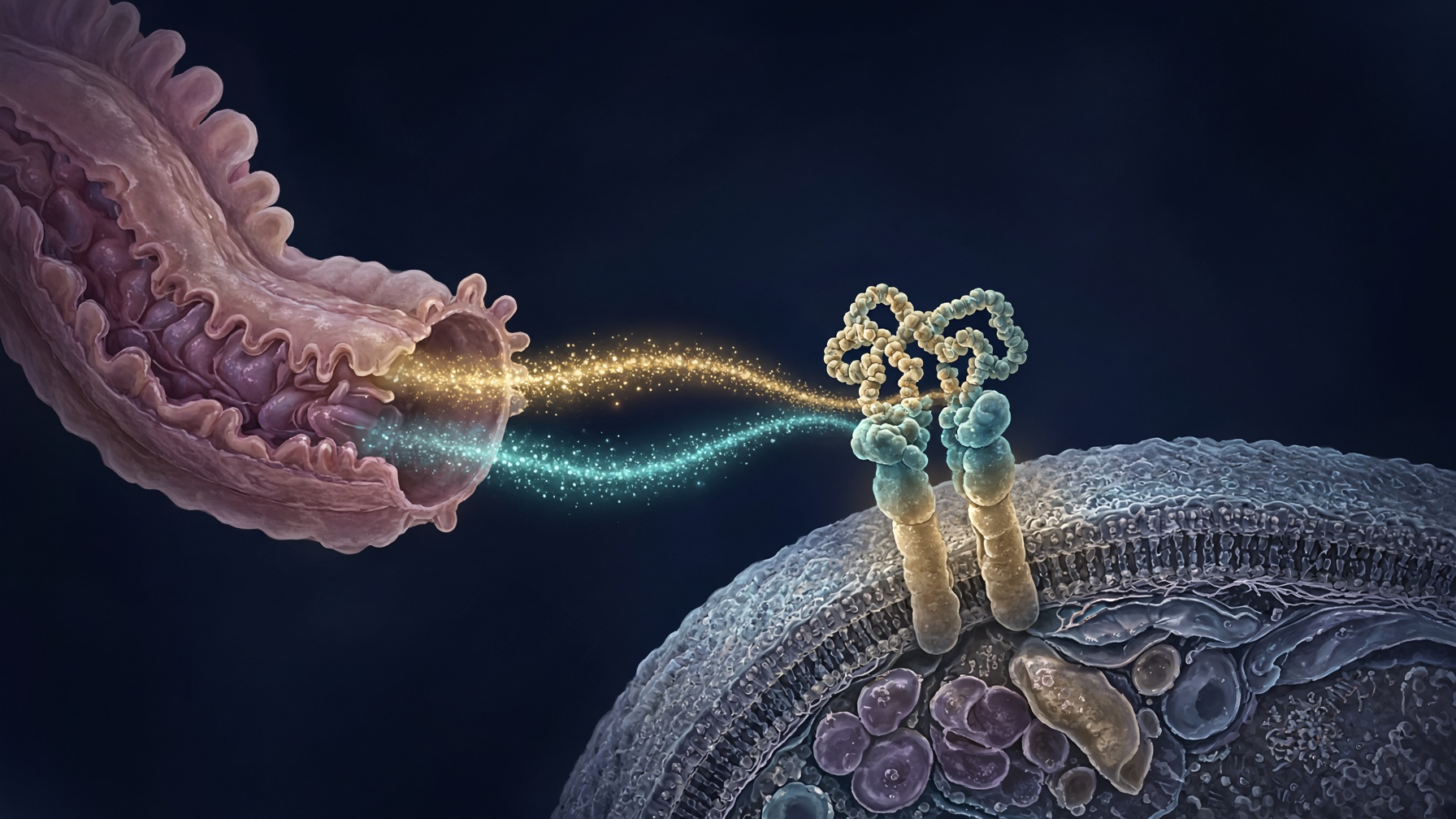
7 min · Peptide research
GIP: the incretin people forgot, then remembered
GIP is the gut hormone that tells the pancreas to release insulin when sugar is high. GLP-1 does that and also slows the stomach and quiets appetite. Mounjaro is tirzepatide: one chain on both. Semaglutide is only the second. The 72-week trial mean at 15 mg was about 21 percent.
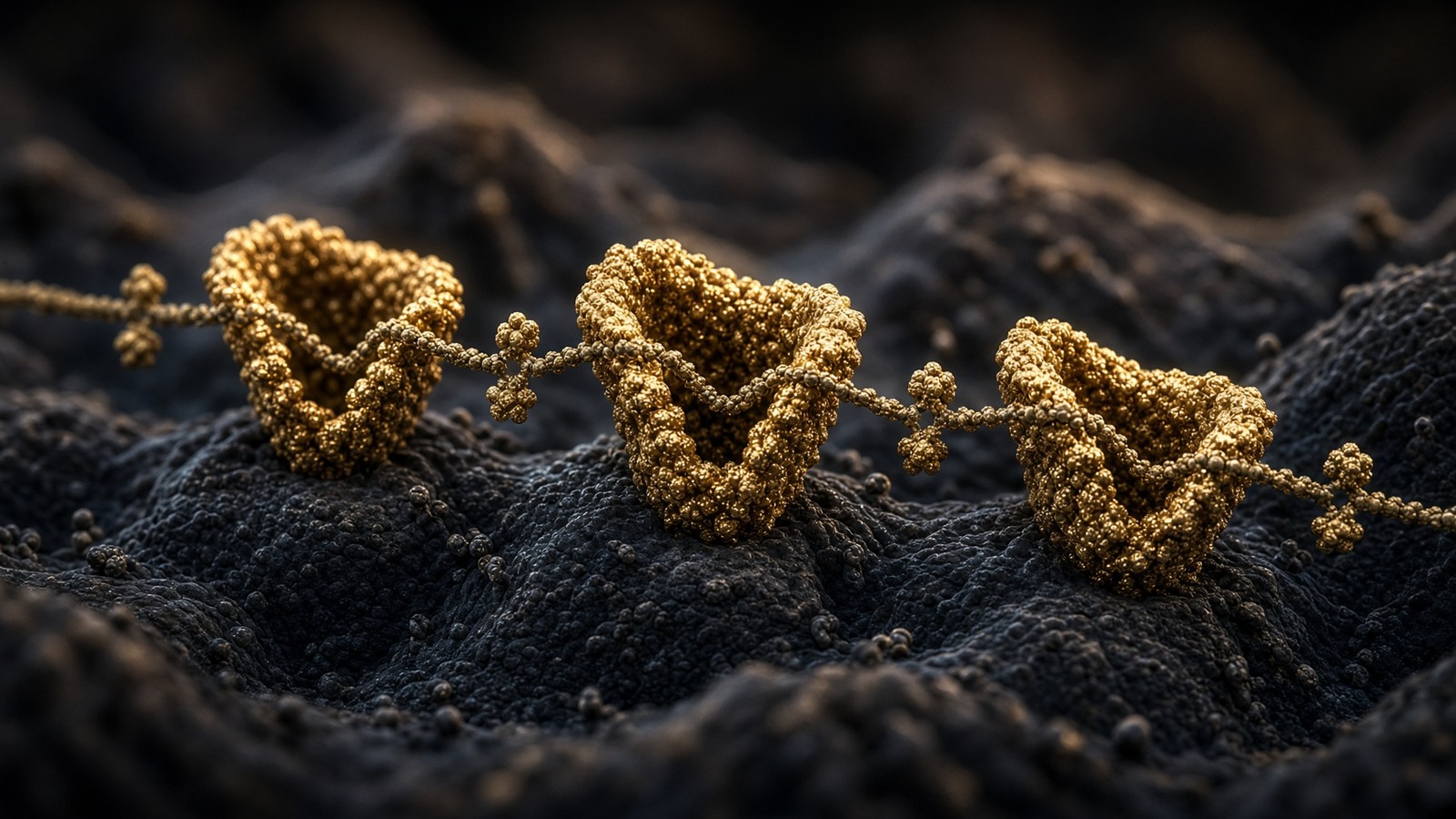
44 min · long read · Peptide research
Retatrutide (LY3437943): the published triple-agonist structure
A fatty-acylated unimolecular agonist at GIPR, GLP-1R and GCGR.
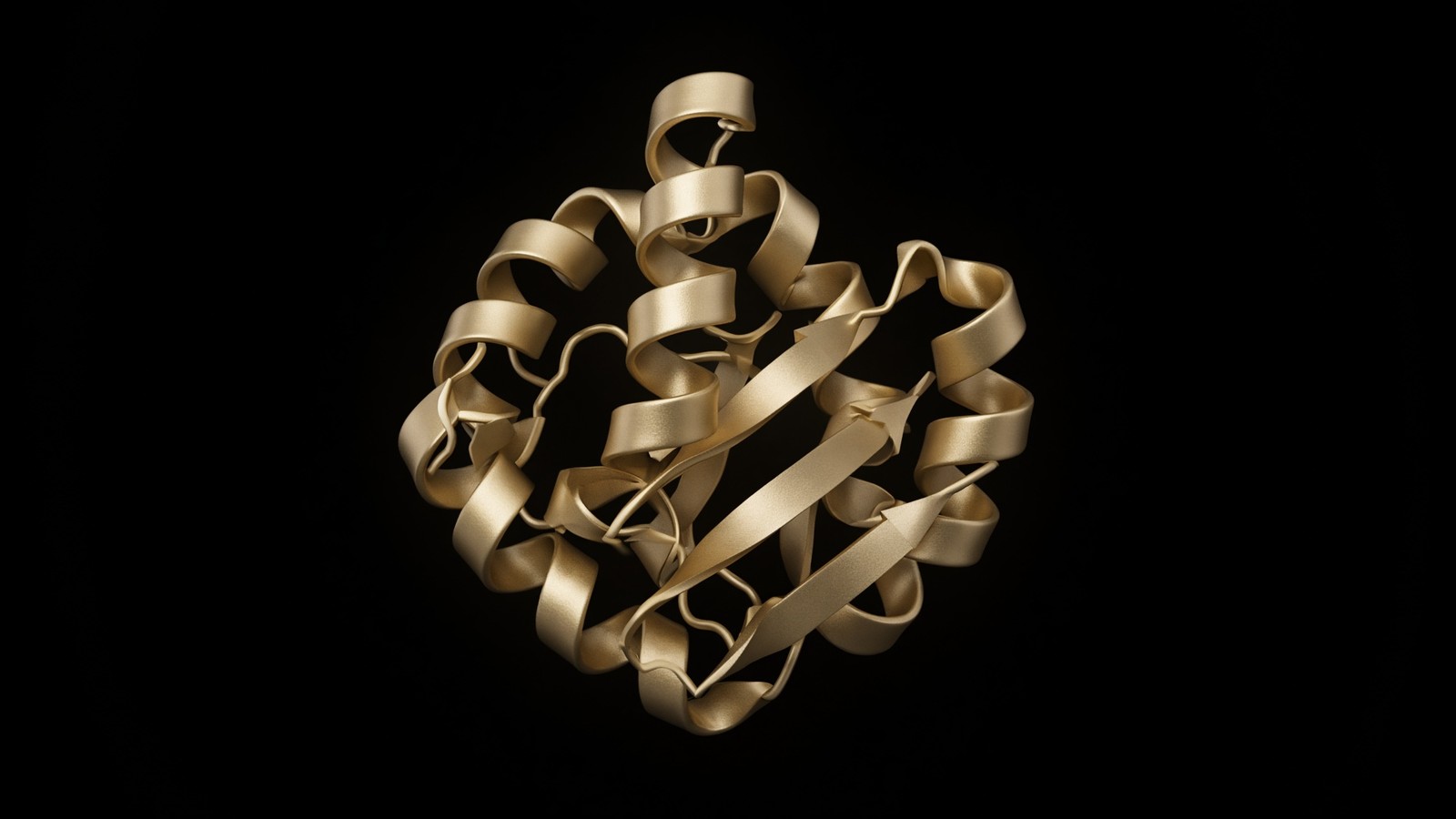
46 min · long read · Peptide research
Somatropin: the 191-residue ligand
Recombinant human growth hormone is one of the most studied proteins in endocrinology. Pulsatility, GHR–JAK2–STAT5b, lipolysis, and IGF-1 generation are all well mapped.
More in this section
53 min · long read · Peptide research
How research peptides are made — and why HPLC actually matters
Solid-phase peptide synthesis builds a chain one residue at a time. HPLC then asks whether the main peak is what you think it is. ≥98% refers to the main peak's share of the chromatogram.

52 min · long read · Peptide research
Recovery, GH pulses and the CJC / ipamorelin pair
Somatotrophs have two 'go' receptors. CJC without DAC is a slightly longer GHRH pulse. Ipamorelin is a selective ghrelin-receptor key that does not yank ACTH. Together they are the pair Bowers already showed is more than additive
51 min · long read · Peptide research
Fatigue, cellular energy and the NAD+ / MOTS-c neighbourhood
NAD+ is the rechargeable chip every cell spends on fuel and DNA repair — and the pool shrinks with age. MOTS-c is a mitochondrial 16-mer sent out under metabolic stress.
50 min · long read · Peptide research
Melanocortin circuits: pigment, appetite and PT-141
Melanotan II lights MC1, MC3, MC4 and MC5 — pigment plus the rest of the sheet. PT-141 is the free-acid cousin pointed at MC3 and MC4, the circuitry papers use for desire and energy, not skin colour. Both come from the same Arizona research programme.
The page is the mechanism: the protein, what it does in the cell, and the drug or peptide that talks to it.