

Bodybuilding · 6 min · 1,379 words
Caffeine: the brake adenosine was trying to pull
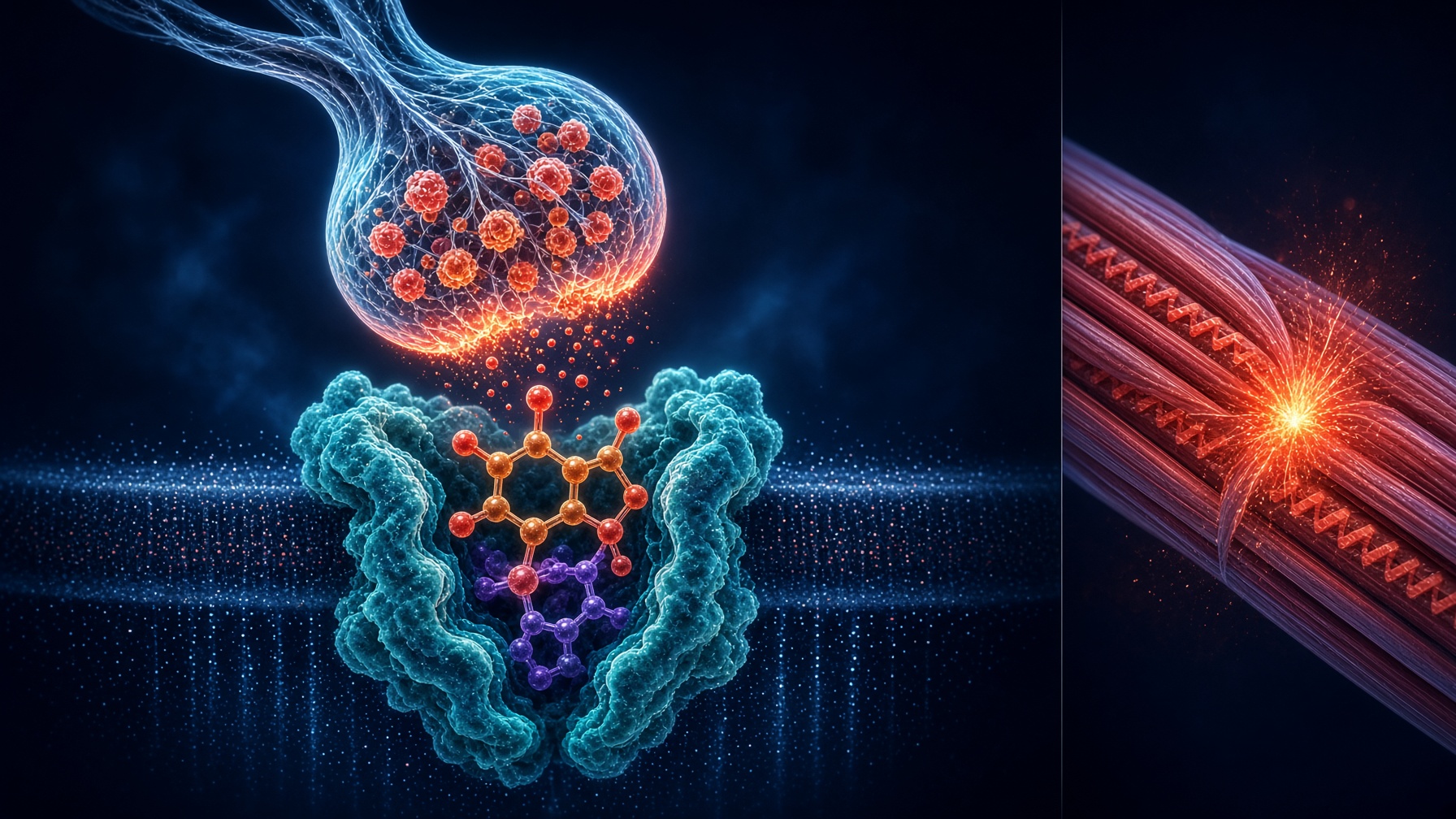
Caffeine sits in the adenosine receptor and does not switch it on. Alertness is a brake taken off, not energy poured in. The same chair is why a hard set feels easier, why sleep thins out, and why the mug stops working.
What this essay actually tells you
- Caffeine blocks adenosine A1 and A2A receptors. Alertness is that brake left off, not energy added to the cell.
- The half-life is about five hours and CYP1A2 decides who is still occupied at midnight. Sleep uses the same receptor.
- Daily use adds more adenosine receptors, which is the tolerance and the withdrawal headache. A hard set feels easier. The filaments are still added by tension and food.
What this actually means
Caffeine blocks adenosine, the brake a tired brain and a tired set try to pull. That is the wakefulness and the easier session. It lasts for hours, so an evening cup is still there at midnight, and daily use makes the brain add more brakes. It does not build the muscle by itself.
Caffeine is a plant methylxanthine that sits in the same chairs as adenosine, and does not switch them on. Adenosine is the molecule a working cell leaks when it has been spending ATP. It binds A1 and A2A receptors, both of them G-protein receptors, and the message of those receptors is slow down: less firing in the cortex, less dopamine signalling in the striatum, a heavier eyelid. Caffeine occupies those receptors as an antagonist. The brake is still being asked for, and the chair is full of something that will not pull it. That is the alertness. It is not energy added to a cell. It is a brake taken off a nervous system that was already tired enough to ask for one. Theobromine in chocolate and theophylline, the old asthma methylxanthine, are the same family, with different dwell times and different bias between brain and airway.
In short. Caffeine sits where adenosine wanted to sit, and refuses to do adenosine's job. Adenosine is the brake a tired brain pulls. Block the brake and you feel awake. Nothing new was poured into the cell.
The training half is mostly that same antagonism, plus a small shove at the fat cell and a real effect on pain. Adenosine A1 receptors on motor terminals and in the spinal cord are part of why a hard set starts to feel heavy. Block them and the set is rated easier at the same force, which is why a dose in the range used in sport, a few milligrams per kilogram, shows up in meta-analyses as a small gain in endurance and in repeated high-intensity work, and a thinner gain in a one-rep max. Caffeine also opposes adenosine at the fat cell, so a little more fatty acid is released, and at the concentrations in a strong coffee it begins to inhibit phosphodiesterase, the enzyme that breaks down cyclic AMP. That is the same messenger clenbuterol raises by sitting on the beta-2 receptor, except the coffee is a weak, brief version and the tablet is a day-long one. People who stack them are stacking two ways of raising the same messenger, and the heart is still the tissue wearing beta receptors. Caffeine did not become a stimulant by inventing a new pathway. It got in the way of the pathway that was trying to make you stop.
In short. A hard set feels easier because the same brake is blocked in nerve and muscle. There is a small rise in fatty acids. Coffee only weakly does the cyclic AMP trick that clenbuterol does properly. The one-rep max barely moves. The long set does.
Why yesterday's coffee is still in the room at midnight
The half-life in a healthy adult is about five hours, and that number is a rumour about a person, not a law. A cigarette induces the liver enzyme that clears it, CYP1A2, so a smoker is often back to baseline while someone else is still occupied. Pregnancy, the oral contraceptive, and fluvoxamine slow that enzyme, so the same mug lasts longer. A slow metaboliser is not weak. They are a version of CYP1A2 that takes its time, and the evening espresso is still on the A2A receptor when they are trying to sleep. The receptor story and the clock story are the same story. Adenosine pressure is how the brain builds sleep. Occupy the receptor until 1 a.m. and the pressure is still there, but the chair is taken, so sleep arrives late, lighter, and with less of the deep stage where a lot of the night's growth-hormone pulse was going to be. You can feel wired and still be under-recovered. The mug did not replace the night.
In short. Caffeine hangs about for roughly five hours, longer if your liver is slow and shorter if you smoke. An evening coffee is still in the chair that sleep uses. You can feel sharp and still have lost the night.
Tolerance is the receptor fighting back. Live with an antagonist and the cell adds more adenosine receptors, and couples the ones it has more tightly. The brake gets bigger because you kept standing on it. The mug that used to be enough becomes two, and the afternoon off the drug is a surplus of receptors with nothing occupying them, which is the headache and the flatness. That withdrawal is evidence the mechanism was real. It is not a moral failing. A week away from caffeine lets the receptor number fall back, which is why a person who stops and starts again swears the first coffee 'works' in a way Tuesday's did not. None of this raises the androgen receptor, none of it adds a sarcomere, and none of it keeps potassium normal if a beta-2 agonist is already driving it into muscle. Read the clenbuterol page for that bill. Read the fibre pages for what actually adds myosin. This page is only the chair adenosine was using.
In short. Use it every day and the brain adds more adenosine receptors. The same coffee does less, and stopping feels like a headache. A week off lets the receptor count fall. It still does not build the muscle.
Which receptor, and where the adenosine came from
Adenosine is what ATP becomes once the cell has spent it. Inside the cell, AMP is stripped to adenosine. Outside, ATP that nerves release as a co-transmitter is chewed down by two enzymes on the cell surface, CD39 and then CD73. The adenosine presses A1 and A2A. A1 is a Gi receptor. It opens potassium channels, the neuron hyperpolarises, and it also sits on motor-nerve endings and reduces how much acetylcholine they let go. That peripheral brake is one reason a late set feels heavy, and one reason blocking it lets the same nerve keep firing. A2A is a Gs receptor, thick in the striatum, and it pairs with the D2 dopamine receptor so that adenosine occupancy quiets dopamine signalling. Block A2A and dopamine has the conversation to itself. That is the wakefulness and the willingness, not a new store of ATP. A2B and A3 only matter at concentrations a cup does not reach. Blocking phosphodiesterase, the clenbuterol-adjacent trick, also wants those higher concentrations. A strong coffee is an adenosine antagonist. A huge dose starts to be other things as well, including a shove at the ryanodine receptor that lets the muscle's calcium store leak, which is a twitch and a tremor from a different protein.
In short. Adenosine is spent ATP, outside the cell. One receptor slows the nerve and the motor ending. The other quiets dopamine. Coffee blocks those two. Only a much larger dose starts hitting the calcium gate in the muscle.
- The chair
- A1 and A2A
- The set
- effort falls first
- The clock
- about five hours
- The fade
- more receptors
Adenosine receptors. Caffeine sits there and does not switch them on.
Endurance and repeated work move more than a one-rep max.
CYP1A2 decides who is still occupied at midnight. Sleep uses that same chair.
Daily use adds adenosine receptors. A gap brings the first cup back.
Questions the essay actually answers
- How does caffeine actually keep you awake?
- Adenosine builds up as cells spend ATP and presses the brake, via A1 and A2A receptors. Caffeine occupies those receptors and does not turn them on, so the brake cannot be pulled. You are not given new energy. A tired signal is blocked.
- Does caffeine build muscle?
- It can make a set feel easier and let you do a little more work, especially endurance and repeated hard efforts. The filaments are still added by tension and food, on the fibre pages. Caffeine does not bind the androgen receptor.
- Why does coffee stop working?
- The brain adds more adenosine receptors when they are blocked every day. The same cup does less. A week without it lets that extra receptor number fall, which is why the first coffee back feels louder.
- Why does an evening coffee wreck sleep if I feel fine?
- The half-life is about five hours, longer if CYP1A2 is slow. The drug can still be in the adenosine chair while you feel settled. Sleep pressure uses that chair. Less deep sleep is the cost, including the night's growth-hormone pulse.
- Is caffeine the same trick as clenbuterol?
- Only at one shared messenger, and only weakly. Clenbuterol sits on the beta-2 receptor and raises cyclic AMP for about a day. Caffeine mostly blocks adenosine. At high doses it also slows the enzyme that breaks cyclic AMP down. The heart still hears the beta-receptor drug.
Read next
7 min · Bodybuilding
Clenbuterol: one receptor opens the fat cell and bills the heart
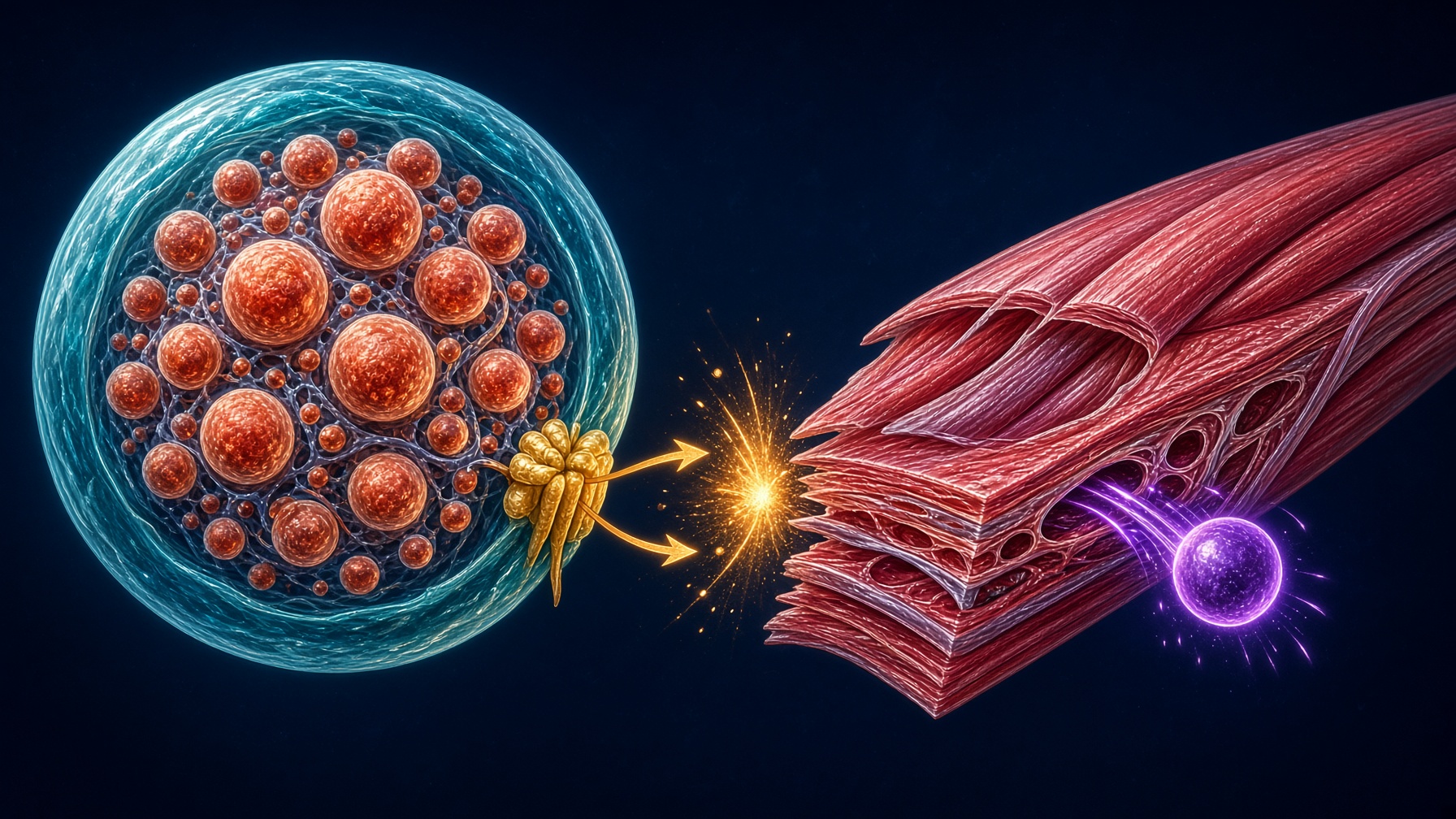
Clenbuterol sits on the beta-2 receptor, raises cyclic AMP, and lets a fat cell open its store. Muscle shakes because it wears the same receptor. The heart does too. Leave it occupied and the cell takes the receptor inside.
12 min · Bodybuilding
What the set is doing: failure, volume, rest, range
Why the last reps matter more than the first, why ten hard sets is a floor and not a personality, and why a short rest quietly deletes the tension you came for.
12 min · Bodybuilding
Creatine: the phosphate the fibre keeps next to the myosin
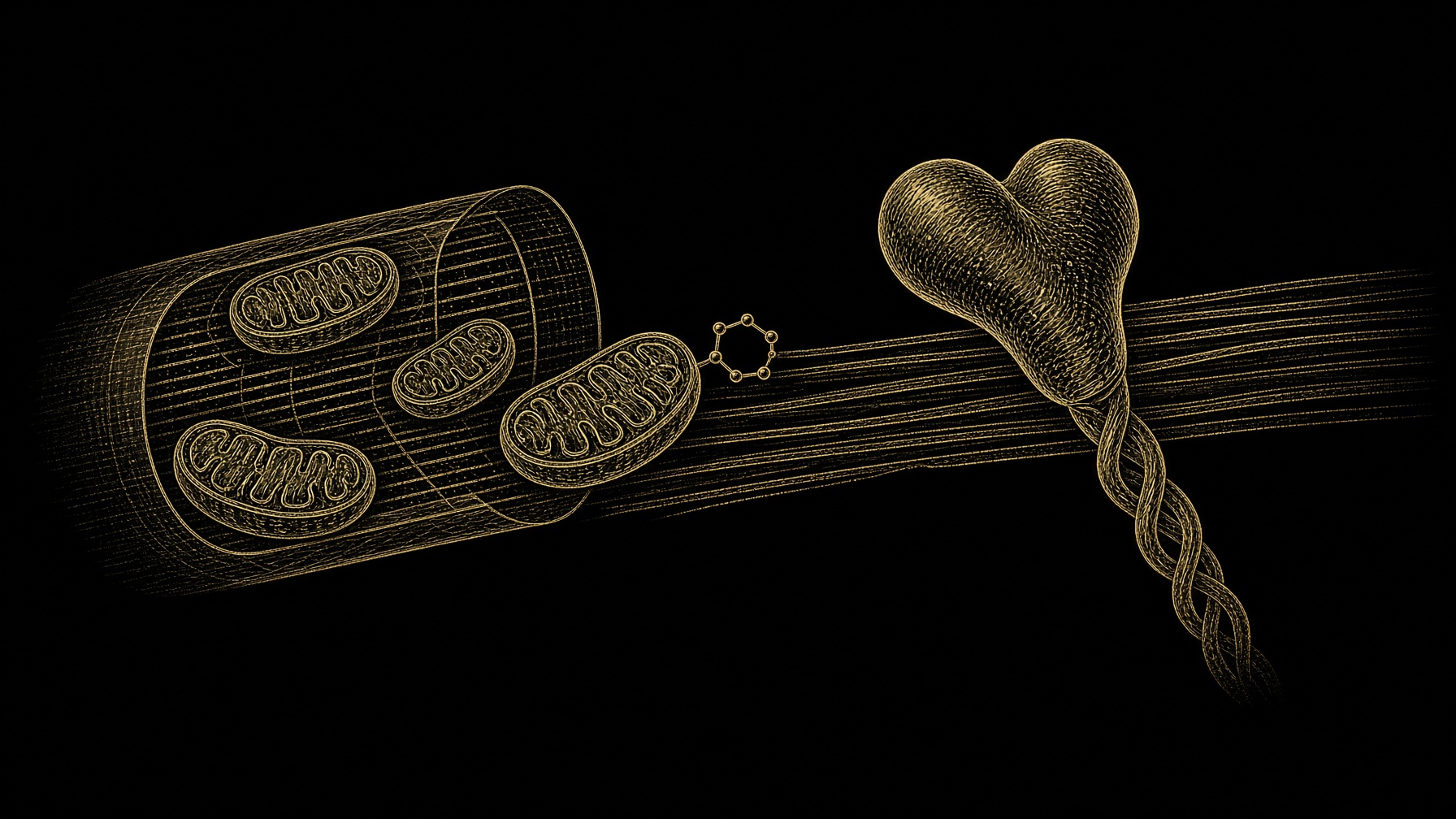
Phosphocreatine rebuilds ATP at the cross-bridge in a fraction of a second. Filling the store buys a few more hard reps. The early weight is water. The myosin still has to be earned.
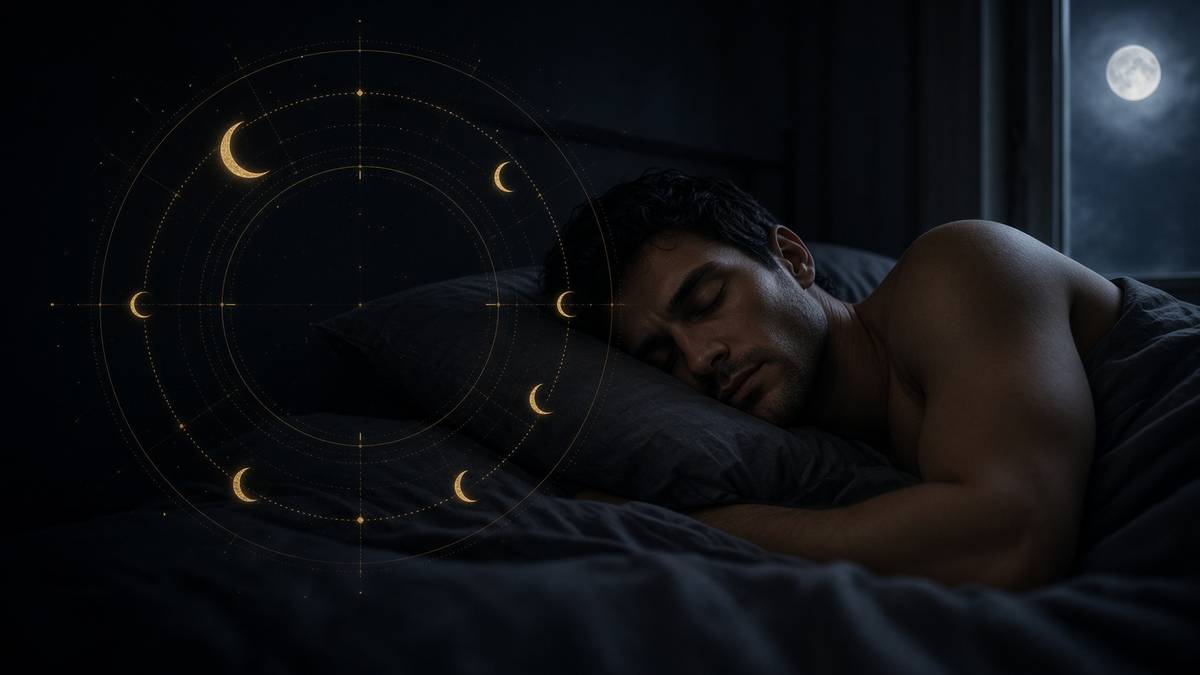
46 min · long read · Metabolism
Sleep is a glucose drug you cannot buy
Spiegel, Leproult and Van Cauter restricted healthy people to four hours a night. Next-day glucose tolerance looked like a milder type 2. Cortisol, GH pulses and the hepatic clock are why. The bread did not change.
More in this desk
18 min · Bodybuilding
What each steroid does at the cell
Testosterone, nandrolone, trenbolone, boldenone, the DHT cousins, the orals. One receptor. Why two of them are not two muscles, what that asks of food, and what the side effects actually are.
16 min · Bodybuilding
Actin and myosin: the motor inside the fibre
The sarcomere, the thin rope, the thick motor, the eight-nanometre stroke, and the calcium switch that lets a nerve turn all of it on. One ATP per pull.
13 min · Bodybuilding
Coming off: SERMs, hCG, and what a supplement cannot do
How a SERM restarts GnRH, how each hCG and FSH option talks to the testis or the ovary, and how zinc, ashwagandha and CoQ10 turn that signal back into testosterone and sperm.
12 min · Bodybuilding
The tendon clock: the cable is older than the muscle
Myofibrils turn over in days. Tendon collagen turns over in months to years. Heavy slow strain is how a tenocyte keeps the rope. A fast jump in strength pulls on tissue that has not caught up.
The page is the mechanism: the protein, what it does in the cell, and the drug or peptide that talks to it.